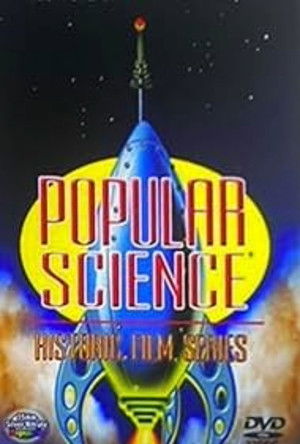
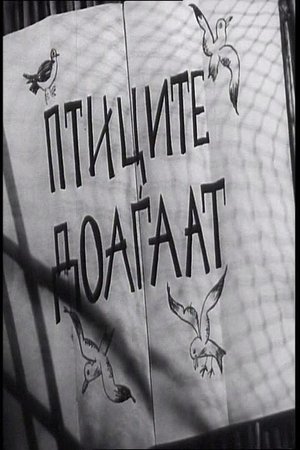
Huge electric sign operated by photo cell animation; freshwater fauna propagated by Carolina Biological, sold and used for research; pickup and delivery of airmail in flight with small planes.
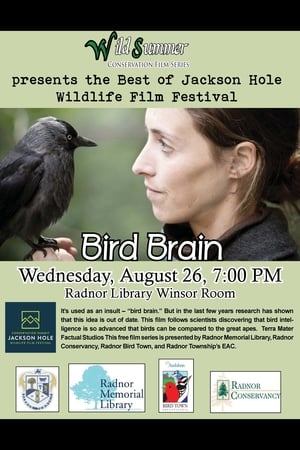
With a combination of wild observations and specially designed tests, this film will guide us through the latest research on bird intelligence, a journey which will re-define the meaning of ‘bird-brained’.
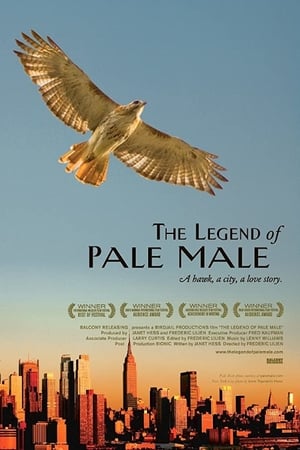
This is the true account of one of the most surprising and remarkable love stories in the history of New York. It begins in 1993, when a young man from Belgium looking to change his life has an unexpected encounter in Central Park. He meets a hawk. Not just any hawk, but a wild Redtail, a fierce predator that has not lived in the City for almost a hundred years. Compelled to follow this extraordinary creature, he buys a video camera and sets out to track the hawk.
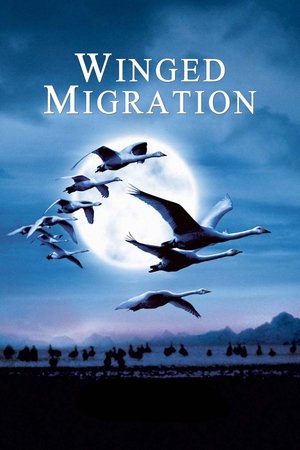
This documentary follows various migratory bird species on their long journeys from their summer homes to the equator and back, covering thousands of miles and navigating by the stars. These arduous treks are crucial for survival, seeking hospitable climates and food sources. Birds face numerous challenges, including crossing oceans and evading predators, illness, and injury. Although migrations are undertaken as a community, birds disperse into family units once they reach their destinations, and every continent is affected by these migrations, hosting migratory bird species at least part of the year.
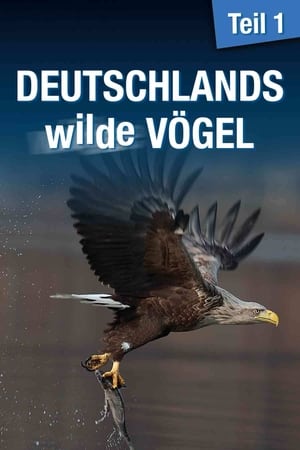
Deutschlands wilde Vögel
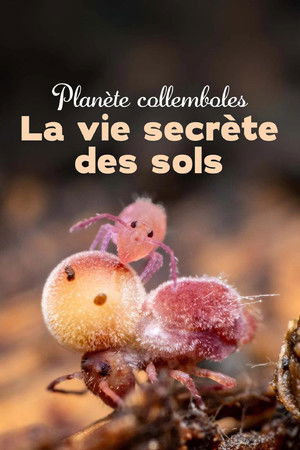
Who knows about springtails? And among those for whom this name rings a bell, how many have already seen them? Yet, these small animals, similar to insects, are present in all terrestrial ecosystems. Springtails are undisputed soil regulators. Scientists recognize them today as absolutely essential, especially in the search for pollutants, disruptors, and all the variations that affect our soils, but this little animal is almost unknown. Thanks to extremely precise cameras, as close as possible to these microscopic animals, a teeming life is revealed before our eyes. According to the seasons, the film invites us to get into the intimacy of the springtails, to discover their morphology, their role and their usefulness in the ecosystems of the planet while rubbing shoulders with other organisms in the same environments.
A group of artists settle in a swamp on the banks of the Indre River. Meanwhile, a voice describes a utopian world.
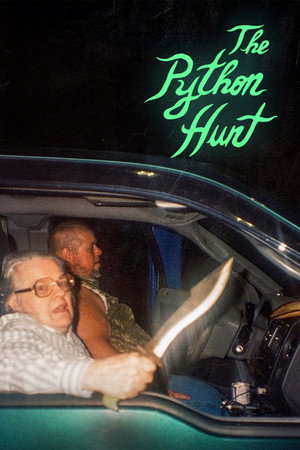
Every year, the Florida government invites the general public to compete in an invasive python removal contest in the Everglades. For ten nights, an eclectic group of hunters confront the dangerous terrain, nocturnal creatures and their own desires.
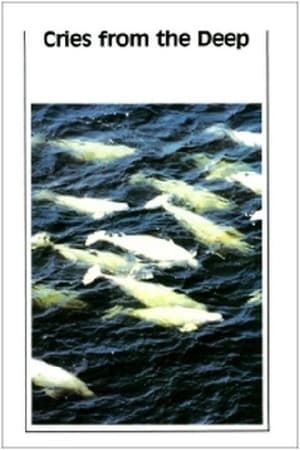
This documentary records the journey undertaken by Jacques Cousteau, his 24-member team, and an NFB film crew to explore the Grand Banks of Newfoundland, one of the world's richest fishing areas. They discover shipwrecks, film icebergs and observe beluga whales, humpback whales and harp seals. The film also includes a fascinating sequence showing Calypso divers freeing a calf whale entrapped in a fishing net.
IMAX documentary about the Suncoast Seabird Sanctuary, FL, USA Made for exhibition at the Expo '85, Tsukuba, Japan.
Native British birds, from common gulls and cuckoos to the rare Richardson's Skua, are filmed in their natural habitat.
Right on the middle of the Indian Ocean, in the Seychelles archipelago, there still exists an island where the beaches are not inhabited by men but by birds : Cousin island. More than 250 000 birds live there, among giant tortoises and strange lizards.
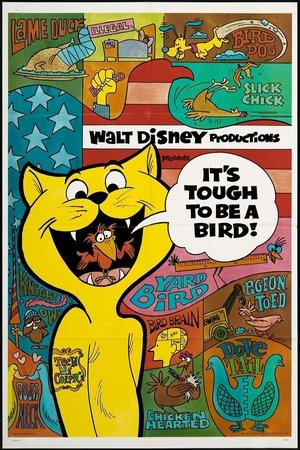
Part cartoon and part documentary, this film offers a humorous look at birds and the ways people perceive them.
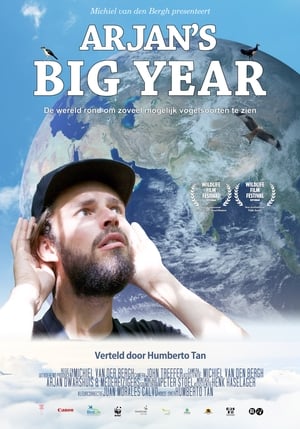
In 2016, Dutch birdwatcher Arjan Dwarshuis traveled the world to spot as many birds as possible in the span of one year, with the goal to break the big year world record (6042 species, set by Noah Strycker in 2015).
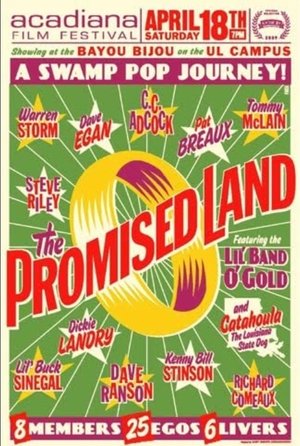
Head to southern Louisiana with filmmaker Matthew Wilkinson to soak up one of the country's best-kept musical secrets: Lil' Band o' Gold, a group of seasoned musicians who churn out an eclectic blend of country, R & B and zydeco known as swamp pop. This lively documentary follows blues-rock legend C.C. Adcock as he scours the marshes and prairies of Acadiana to assemble a supergroup of diverse personalities, backgrounds and musical styles.
A feature-documentary story about the way of fishing on Lake Dojran, with the help of cormorant birds. It talks about the connection between people and birds that are the best workers and irreplaceable assistants to fishermen. When the birds are gone, the fishermen are sad, but when the birds come, the fishing can begin.
Scenes of islanders and seabirds on the remote island of St. Kilda.
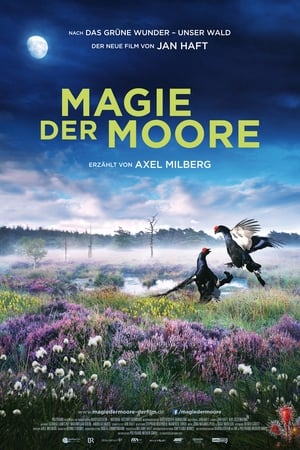
Jan Haft is without doubt a nature filmmaker with a gifted knack for the very special regions of the world. A few years ago, in Das grüne Wunder - Unser Wald, he dedicated himself to the place that all Germans long for, and in his new film he explores a similarly mythologically and historically charged topography, which is nevertheless much less present than the murmur of the forests. It is about the mainly northern European moorland landscapes and their rich and unique flora and fauna, whose magic he traces in an opulent visual arc of exquisite beauty.
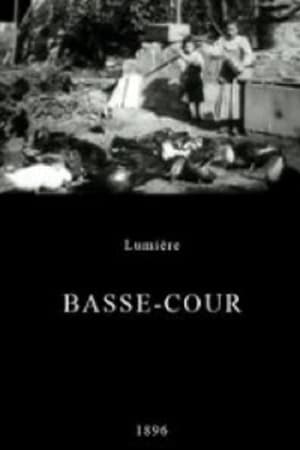
Two girls do one of their chores. Standing alongside a tree-lined farmhouse, two children who are about ten and four years old toss grain to a flock of about 50 domesticated ducks. A woman watches them briefly and then moves on. The older girl has her grain in a bucket, the younger one's grain is in her apron. The children stay in one spot, as does the camera; it's the ducks that move around. Chickens are in the background; only one braves the ducks' territory.
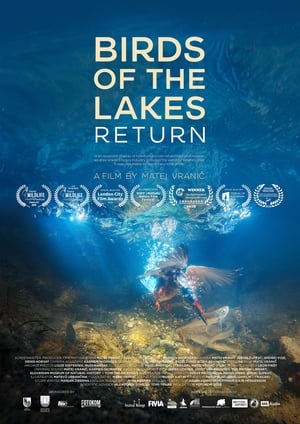
An excellent display of how humans can rehabilitate and restore an area where a heavy industry polluted the water so severely that it was unsuitable to sustain any kind of life. A a film showing how birds returned to an environment once devastated by industry. The lakes around the northern Slovenian town of Velenje, placed in the Central Europe, are geographic center of the film. They emerged as the land above the lignite mines subsided and the depressions were filled with water. The mines started operating at the end of the 19th century. In the mid 20th century a power plant was built that caused a severe pollution of the lake waters to the extent of the lakes not being fit for any kind of life. As a consequence many birds moved from these parts. After a long ecological restoration that started in the mid 1980s, life returned to the water. Gradually the birds returned as well, including some there were previously never observed in this area.