A short documentary on how people view art and its value in today's society.
Filmmakers stay at a haunted lodge and find themselves in over their heads when they encounter something otherworldly.
William Hart McNichols is a world renowned artist, heralded by Time magazine as "among the most famous creators of Christian iconic images in the world". As a young Catholic priest from 1983-1990 he was immersed in a life-altering journey working as a chaplain at St. Vincent's AIDS hospice in New York city. It was during this time that he became an early pioneer for LGBT rights within the Catholic church. "The Boy Who Found Gold" is a cinematic journey into the art and spirit of William Hart McNichols. The film follows his colorful life as he crosses paths with presidents, popes, martyrs, and parishioners, finding an insightful lesson with each encounter. McNichols' message as a priest, artist and man speaks to the most powerful element of the human spirit: Mercy.
Tattooing — "the world's oldest skin game" — is the subject of this iconic documentary. Writer/director Geoff Steven scored a major coup by signing Easy Rider legend Peter Fonda as his presenter. Travelling to Aotearoa, Samoa, Japan and the United States, the doco traces key developments in tattooing, including its importance in the Pacific, prison-inspired styles, and the influence of 1960s counterculture. Legendary tattooists feature (including Americans Ed Hardy and Jack Rudy), while the closing credits parade some eye-opening full body tattoos.
Structured as a labyrinth-like game and inspired by Jorge Luis Borges, Aleph is a travelogue of experience, a dreamer's journey through the lives, experiences, stories and musings of protagonists spanning ten countries and five continents.
The international success of the film Das Boot by Wolfgang Petersen made U-96 one of the most famous submarines in cinematic history. But the true story of one of Hitler's most fearsome U-boats and its crew goes far beyond fiction. For the first time, this documentary sheds light on the reality behind the fiction through exclusive interviews with the makers and actors of Das Boot, as well as the last survivors of the time. In doing so, this documentary explores how Hitler's propaganda images may have influenced the visual and narrative force of Das Boot.
A documentary that reveals California's complex struggle over who gets fresh water, and how moneyed interests game the system. Constant battling over uncertain water supplies heralds an impending crisis—not just in California, but around the world.
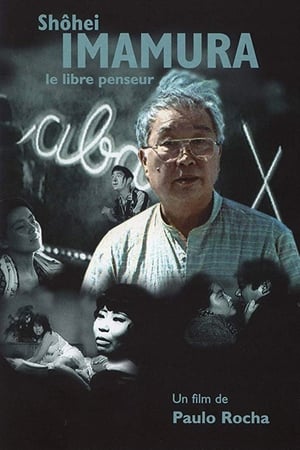
Documentary about Japanese film director Shohei Imamura.
Stars of TWD: Daryl Dixon Norman Reedus and Melissa McBride revisit iconic moments between their characters, Daryl and Carol and discuss what is coming up in season two of TWD: Daryl Dixon.
A documentary about the rival gangs Mara 18 and Mara Salvatrucha, originating in Los Angeles but terrorizing El Salvador. It explores their origins as possible founding myths of organized crime in a globalized world.
A documentary film about the work of stuntmen and camera operators in Soviet cinema, using the film "White Sun of the Desert" as an example.
Visconti: La verdad del melodrama
When Sarah accidentally proposes to her girlfriend in Provincetown, the mixup turns their loving relationship into a minefield of marital exploration.
When looking for a gift for his kid, Jon Heder (Napoleon Dynamite) is introduced to the world of Grimdark. In that moment he starts down a journey that will take him all over the world and through interviews with prominent Grimdark authors, game developers, and dedicated fans, he delves into the themes that define the genre—all in an effort to find the man who started it all: John Blanche.
By the mid-1980s, the fabled animation studios of Walt Disney had fallen on hard times. The artists were polarized between newcomers hungry to innovate and old timers not yet ready to relinquish control. These conditions produced a series of box-office flops and pessimistic forecasts: maybe the best days of animation were over. Maybe the public didn't care. Only a miracle or a magic spell could produce a happy ending. Waking Sleeping Beauty is no fairy tale. It's the true story of how Disney regained its magic with a staggering output of hits - "Little Mermaid," "Beauty and the Beast ," "Aladdin," "The Lion King," and more - over a 10-year period.
In the aftermath of war, an extraordinary professor brings hope to children haunted by trauma-induced nightmares.
Investigates the politics of cinematic shot design, and how this meta-level of filmmaking intersects with the twin epidemics of sexual abuse/assault and employment discrimination against women, with over 80 movie clips from 1896 - 2020.
The film begins as a documentary about an author known for autofiction. By incorporating multiple making-of layers, it blends the process of making the documentary with the author’s narrative technique.
Chronicles of the cultural life of Tashkent (2007 – 2015). From the murder of Mark Weil to the wedding of Alisher Usmanov. Tashkent Biennale, apartment buildings, video art festival, conversations about nothing, amateur performances and operational shooting, advertising and much more. Tashkent, which no longer exists, just as these people are no longer in it.
Portrait of a typical European feminist - Olga Lipovskaya (1954-2021), journalist, translator, poet, founder of the women's non-profit organization St. Petersburg Center for Gender Issues (an educational and resource center for women and women's organizations), editor of the samizdat magazine Women's Reading.