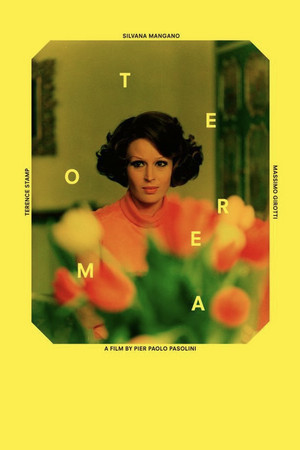
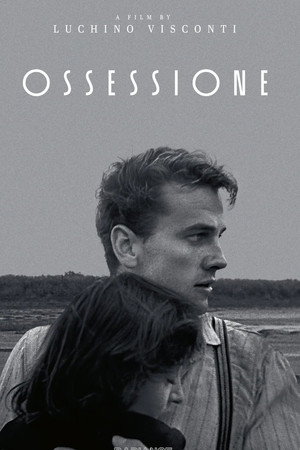
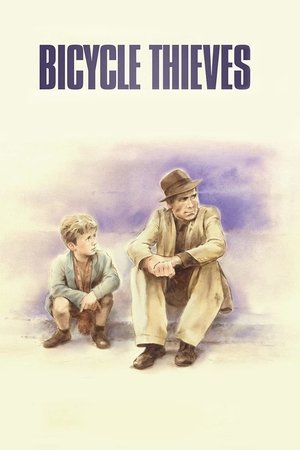
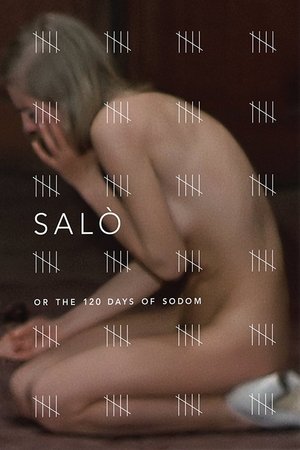
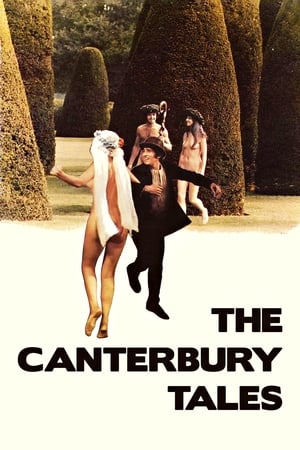
This movie is based on the true story that made headlines all over the world: the story of a relationship gone sour between a Japanese man very much in love with a French model. Some time later, it was discovered that the woman was turned into "sushi." At that time the man had already eaten a few body parts. To the arresting officers in Paris, he justified his acts as a proof of profound passion. In the late 80's many books and films find inspiration by the sinister love story.
A young man lies in a hospital suspended between life and death. The police know nothing about him. The patient, in his rare moments of consciousness, only remembers his gang’s involvement in a robbery of a rare painting, and the mysterious Madame Jacno who commissioned Fabrizio, the gang leader, to steal the work of art. But someone is still trying to kill the patient, and as his life is continually threatened, his memory slowly comes back to him…!
Feeling undervalued by her boyfriend, a young woman begins to explore her sexuality with other people.
Montreal, 1904. Giuseppe and Ninetta own a boarding house where they welcome their fellow Sicilians. One day, as he comes to the defence of one of his boarders, Giuseppe accidentally kills Theo, his French Canadian best friend’s son-in-law. This drama depicts the tensions between people from different ethnic backgrounds and their life-changing impact. Based on a true story, 'The Saracen Woman' paints a portrait of Italian immigration to Quebec and the affinities and conflicts that arose from the clash of two different cultures.
The film takes place over the course of a single night: the longest night of the year, between December 21 and 22 (the winter solstice), when the sun sets around 4:30 p.m. and rises the next day at 7:30 a.m. A long night in which the stories, destinies, anxieties, and dramas of a provincial town in the south (Potenza) intertwine, even if only briefly. Fifteen hours of uninterrupted darkness in which human destiny becomes exceptional, as the night causes the anchors of the day to be lost and four personal stories suddenly accelerate.
Matteo is pressured into the family business when he fails his exams. Out for his 18th birthday, he struggles to choose between his family responsibilities and his adolescent friendships, culminating in an act of violence.
A troubled and neurotic Italian Countess betrays her entire country for a self-destructive love affair with an Austrian Lieutenant.
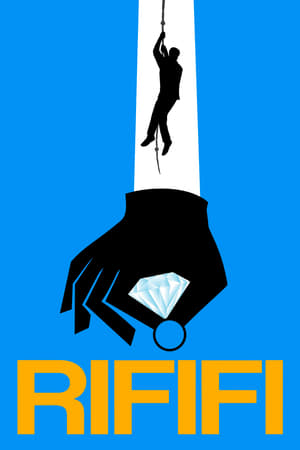
While his girlfriend recovers from a medical procedure, a corrupt lawyer becomes entranced by the grand visions of a mob boss.
A former priest has become bored to the point of impotence by the easy availability of beautiful women. He misses the shame of the priesthood which made sex more enjoyable, and this leads to his strange fascination with photographing asses. He gets involved with a sexy married woman, but he is more interested in her virginal maid.
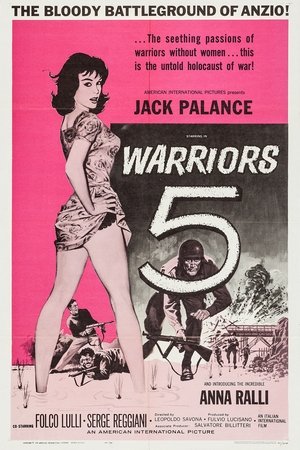
War correspondent Ernie Pyle joins Company C, 18th Infantry as this American army unit fights its way across North Africa in World War II. He comes to know the soldiers and finds much human interest material for his readers back in the States. Preserved by the Academy Film Archive in partnership with The Film Foundation in 2000.
During the bombing of Naples in World War II, a cynical businessman helps a naive prostitute, who spends the next two decades desperate to have him reciprocate her feelings.
Five short stories with contemporary settings. In New York, people are indifferent to derelicts sleeping on sidewalks, to a woman's assault in front of an apartment building, and to a couple injured in a car crash. A man, stripped of his identity, dies in bed with actors expressing his agony. A cheerful, innocent young man walking a city street in a time of war pays a price for this innocence. A couple talks about cinema while it watches another couple talk of love and truth on the eve of one character's return to Cuba. Striking students take over a university classroom; an argument follows about revolution or incremental change.
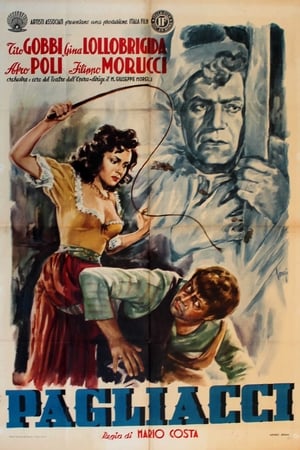
Based on Ruggero Leoncavallo's opera Pagliacci. The film recounts the tragedy of Canio, the lead clown (or pagliaccio in Italian) in a commedia dell'arte troupe, his wife Nedda, and her lover, Silvio. When Nedda spurns the advances of Tonio, another player in the troupe, he tells Canio about Nedda's betrayal. In a jealous rage Canio murders both Nedda and Silvio. The only actor in the cast who also sang his role was the celebrated Italian baritone, Tito Gobbi, but the film is largely very faithful to its source material, presenting the opera nearly complete.
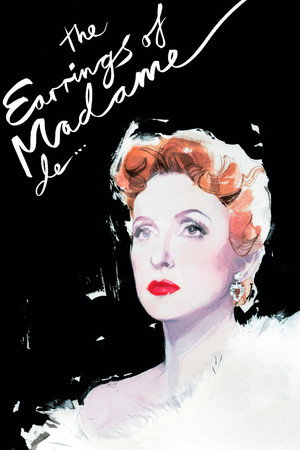
In late 19th century France, the Countess Louise, wife of a wealthy general, sells the earrings her husband gave her on their wedding day to pay off her secret debts, then claims to have lost them. Her husband quickly learns of the deceit, which is the beginning of many tragic misunderstandings, all involving the earrings, the general, the countess, and her new lover, the Italian Baron Donati.
Roberto, a shy law student in Rome, meets Bruno, a forty-year-old exuberant, capricious man, who takes him for a drive through the Roman and Tuscany countries in the summer. When their journey starts to blend into their daily lives though, the pair’s newfound friendship is tested.
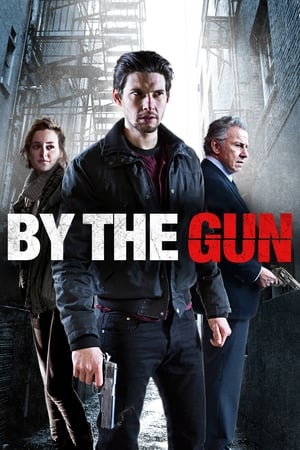
A rising Boston gangster (Ben Barnes) endangers those around him when he starts to make moves without the knowledge of his boss (Harvey Keitel).
After being abducted as children, and suffering years of abuse, a teenage boy and girl find themselves living on the street.
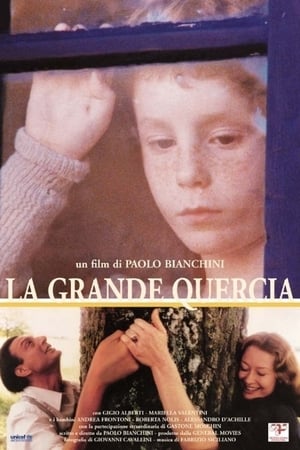
Set in 2002, an abandoned 5-year-old boy living in a rundown orphanage in a small Russian village is adopted by an Italian family.
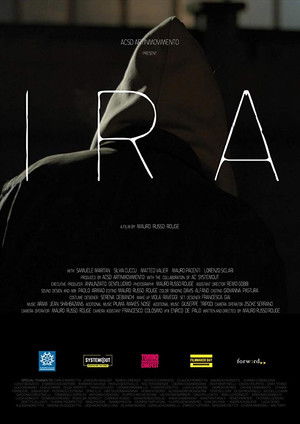
Ira translates as “Anger,” but the titular emotion isn’t often conveyed by the unnamed man and woman at the center of this subdued Italian drama set on the grim fringes of society. Instead, they spend their nights working—he in the market, she on the streets—or wandering restlessly and relentlessly around their dark, decaying city. Writer/director Mauro Russo Rouge follows his characters as they drive down roads lit by the yellow glow of streetlights, push through the crowds at a pink-hued nightclub, pick up supplies in a glaringly bright supermarket, and meander down sidewalks with drinks in hand. They rarely emerge into the sunlight; most of the action takes place in claustrophobic indoor spaces or in the cold, gray light of dusk or dawn. So, too, do their expressions remain withdrawn—even when their nascent relationship triggers a decisive act of violence.
"Despite the multitude of characters and situations, the plot is simple: the eternal flow of life. It is based on Les contes fantastiques d’Hoffmann, a play by Jules Barbier and Michel Carré, who were inspired by some of the stories of the German E.T.A. Hoffmann. On a drunken night in the city, Hoffmann tells how he courted and lost three girls, his impossible loves: Olympia, a mechanical doll that only he believes to be truly human; Giulietta, the courtesan who steals his reflection in a mirror; and Antonia, a young woman who sings until she literally dies." Venue & Opera Company: Teatro Regio di Parma Recorded: 1988 Singers: Alredo Kraus, Ruth Welting, Jonathan Omilian, Barbara Hendricks, Elena Zilio, Nicola Gjiuselev, Bruno Buulgarelli, Francis Egerton, Aldo Bottion Orchestra: Orchestra Sinfonica dell'Emilia-Romagna "Arturo Toscanini" Chorus: Coro del Teatro Regio di Parma Chorus Master: Adolfo Tanhzi Stage Director: Beppe de Tomasi