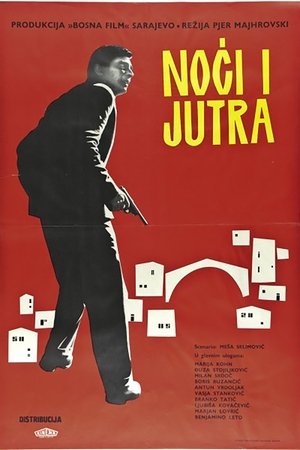
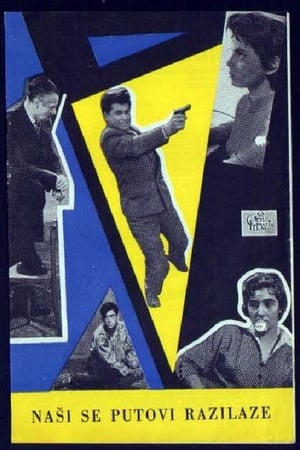
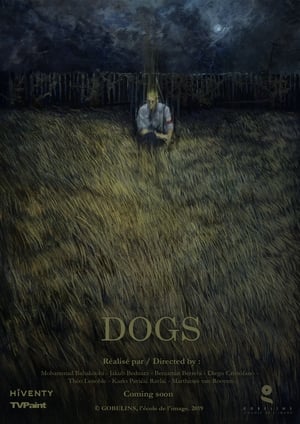
In the whirlpool of WW2, two peaceful towns that have already tasted peace are once again attacked by the Germans. Casualties are high, but the dream of a boy and a girl about their liberated towns cannot be destroyed.
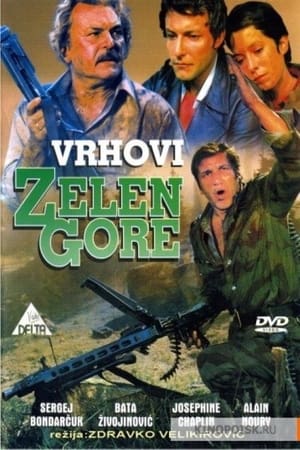
August 1943, Europe. The tentacles of the German octopus have begun to recoil. As the Nazis retreat, their concern focuses on the supply of oil from the refineries of Romania. Without the flow of "black gold", Germany's doom is sealed. Armadas of American bombers from bases in North Africa have begun to assault Pioesti - and there is another threat from the Partisans across the border of Yugoslavia. Against the tableau of spectacular events, the dramatic story of WILD WIND unfolds.
An old gardener tends for the flowers during the war. Nazis ask him for flowers for their dead.
A young Polish partisan flees from the Warsaw Uprising. Whilst hiding in the yard of a countryside manor, he is chased up a tree by a large wolfhound. With his rifle out of reach, there seems to be no way to escape his predicament.
Based on a true story, during World War II, four Jewish brothers escape their Nazi-occupied homeland of West Belarus in Poland and join the Soviet partisans to combat the Nazis. The brothers begin the rescue of roughly 1,200 Jews still trapped in the ghettos of Poland.
Miracle at St. Anna chronicles the story of four American soldiers who are members of the all-black 92nd "Buffalo Soldier" Division stationed in Tuscany, Italy during World War II.
World War II, 1943. Mallory and Miller, the heroes who destroyed the guns of Navarone, are sent to Yugoslavia in search of a ghost from the past.
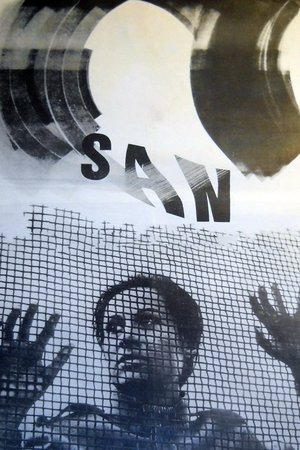
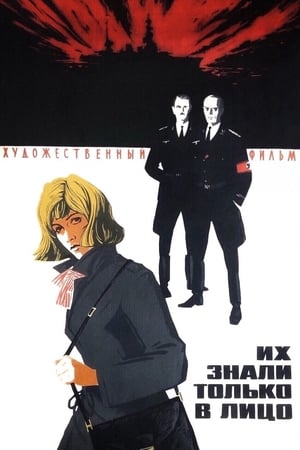
Despite the ongoing WW2, most of the people were just minding their own business. But everything changes when police arrests the group of youths under suspicion of being resistance sympathizers. Outraged townsfolk organize the siege of police station.
The film portrays the life of the legendary Azerbaijani guerrilla of the Second World War Mehdi Huseynzadeh, who fought the Nazi forces in the present-day Italy and Slovenia, hence the film's name On distant shores referring to the Adriatic Sea.
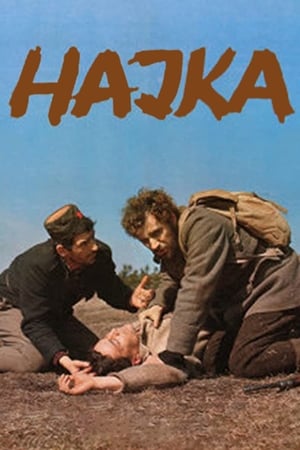
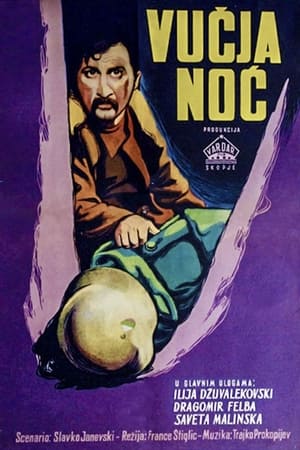
The leftover disbanded partisan battalion draws Chetniks' attention, who push their plans of attacking the partisan headquarters aside and start hunting them instead.
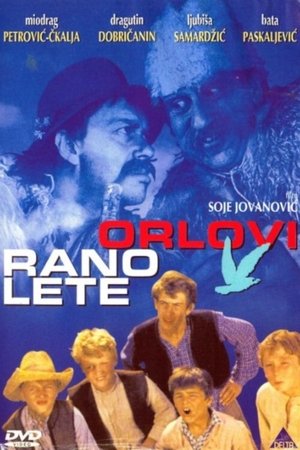
A group of kids from the Bosnian village often run away from school from the terror of Pepper, a teacher who got his nickname because of his red nose. Soon they formed a brigand division, but have been discovered and caught. The sudden arrival of year 1941 turns their game into reality.
A renegade team of World War II soldiers. This time, one of the 12 is a woman and, with a Nazi spy within their midst, they're up against German wartime geniuses out to establish a Fourth Reich.
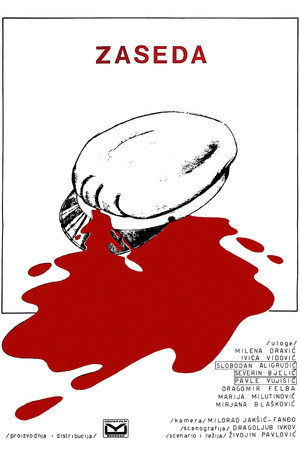
A partisan battalion falls into enemy trap more than once, which makes them suspect it's about treason. Their commissar and commander move the unit in a remote settlement in order to discover the enemy agent. This draws a lot of suspicion and distrust within the unit, and finally it was the head of the battalion who was charged as guilty, and executed. However, was he the real intruder? The commissar and the commander take the battalion to a new battle without definitive knowledge of the whole present situation.
"Andremo in città" (We'll Go to the City) is a 1966 Italian drama film directed by Nelo Risi. It is based on the novel of the same name by Edith Bruck, Risi's wife. Bruck, a Hungarian concentration camp-survivor, settled in Italy after the Second World War and wrote about her experiences in autobiographical and fictional formats.[1] The film stars Geraldine Chaplin and Nino Castelnuovo.
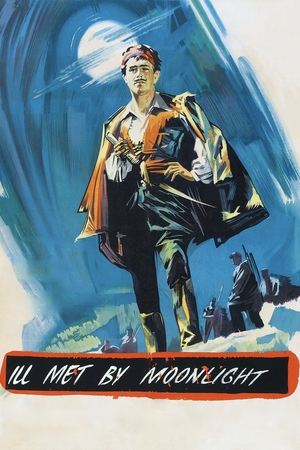
After the war, a Yugoslav army captain, Vladimir, is in charge of suppressing armed supporters of the former king's regime, led by major Momir. After Vladimir's best friend is killed, he joins the rebels pretending to be one of the king's supporters. However, one of Momir's supporters, a man who harbors rebels, has an attractive daughter who is engaged to marry Momir. She knows that Vladimir is an officer of the Yugoslav army, because she has seen him wearing a Yugoslav uniform. Vladimir fears that she might betray him.
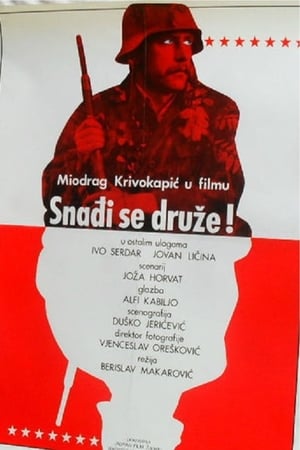
Based on a TV sit-com series and set in World War II, about how an ordinary woodcutter develops into an active partisan fighter.
A remote village in Serbia in 1941. Through the fate of rural residents and the destiny of a partisan detachment reflected is the horror and absurdity of war in Serbia during World War II. On one hand, ordinary people and partisans; the Germans and the Chetniks on the other.
The movie is based on the true story about a group of children, barely teenagers, who joined Yugoslav Partizans after losing their families in WW2. At first, Partizans want to get rid of them, but later they are joining combat ranks. Among them, Bosko Buha would become a legend because of his skill in destroying enemy bunkers.
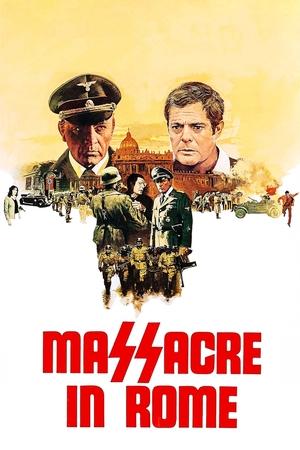
In the Nazi occupied city of Rome, an assault on an SS brigade draws retaliation from the military governship. "Massacre in Rome" is the true story of how this partisan attack led to the mass execution of Italian nationals under the orders of SS-Lieutenant Colonel Kappler.
Led by British officers, partisans on Crete plan to kidnap the island's German commander and smuggle him to Cairo to embarrass the occupiers.