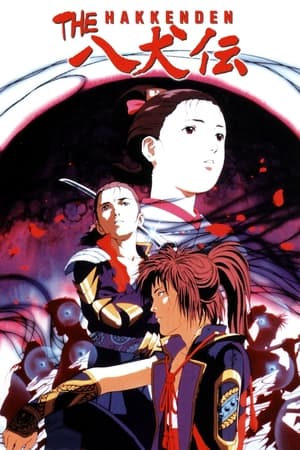
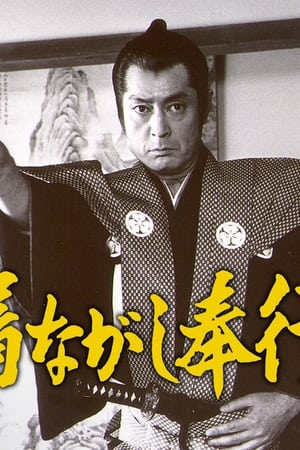
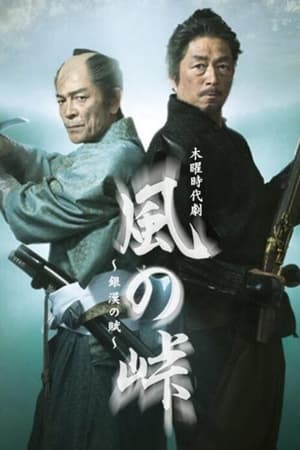
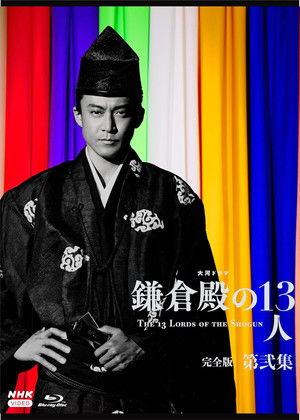
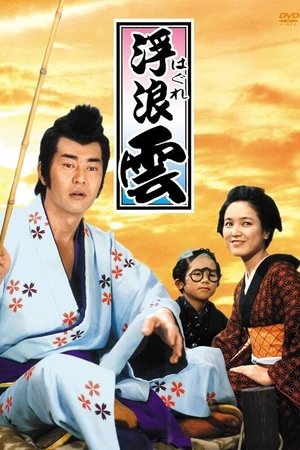
A dramatization of Ryotaro Shiba's novel of the same title about the life of Kobayashi Sahē, a chivalrous man who actually existed at the end of the Edo period.
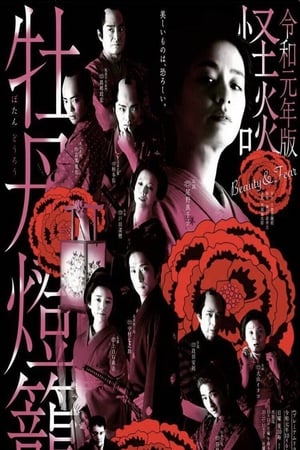
Tells the story of the women surrounding Tokugawa Tsunayoshi, the fifth shogun.
Many years ago the world was divided into two stars, the Eastern and the Western, that were connected by a bond known as the Dragon Pulse. On the Western Star, Jeanne D’Arc is shunned as a heretic for her visions of a champion who will save the planets that have become embroiled in war. Now the fate of two worlds hangs in the balance as, at the order of King Arthur, Jeanne travels from the West to the East with Leonardo Da’Vinci at her side, in search of their long awaited savior- Nobunaga!
Yoshitsune is a Japanese television drama series originally broadcast between 9 January and 11 December 2005, with a three-part special compilation being aired from 24 December to 25 December 2005. The 44th Taiga Drama, the original work is by Miyao Tomiko, screenplay by Kaneko Narito and starring Hideaki Takizawa.
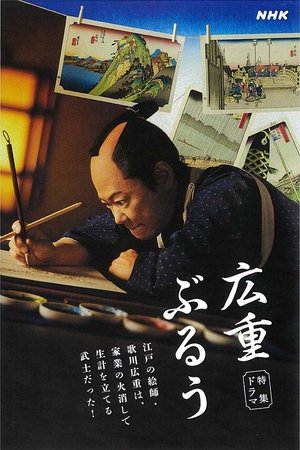
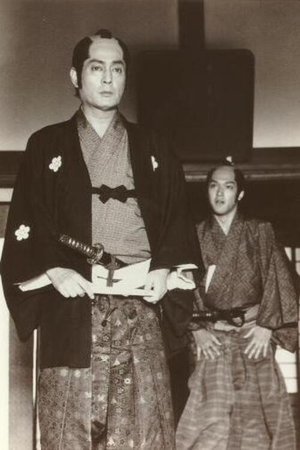
The main character, Hanbei Hinata, who plays Mizutani, is a direct hatamoto guardian who guards Edo Castle. While working honestly on that mission, he became disgusted by a colleague who only thought about his career advancement, and soon he abandoned all his desires and began to think about a retired life
Demon Eyes Kyo, a feared samurai seeking to regain his body after his soul is sealed inside the body of his rival, Mibu Kyoshiro. Kyo is joined in his search by the bounty-hunter Shiina Yuya, the heir to the Tokugawa shogunate Benitora; and Sanada Yukimura, a known rival of the Tokugawa.
Princess Go was the youngest of the most famous three sisters in Japanese history, who each led a remarkable life in an age of turmoil and civil war. Go loses her parents in the war, marries three times, and feuds with her own sister in competing for power. Go's husband becomes the second Tokugawa Shogun and she ensures her prominence as she gives birth to a son who later becomes the third Shogun and a daughter, a wife of the Emperor. The drama describes the age of the civil war through the eyes of Princess Go, who plays a significant part in establishing the age of peace that lasts over 200 years in Japan.
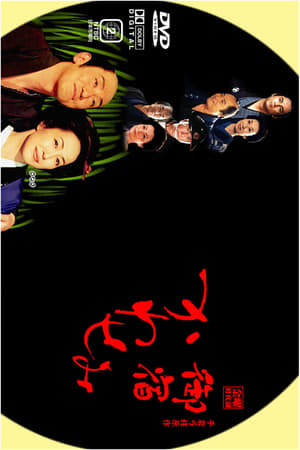
At the end of Edo period, Shoji Rui hands over her birthright to her relatives with the death of her father and begins running an inn "Kawasemi" in Ōkawabata. And she settles the matters in their daily lives with her lover Kamibayashi Tōgo, doshin (a sort of constable) Une Genzaburō, physician Amanō Sotarō, and O-Kichi.
A former samurai, a yakuza bodyguard, a devious spy, and a geisha assassin try to find their place in the rapidly evolving Meiji-era while escaping the sins of their pasts.
Saburo is a high school student good in sports, but not very good with his studies. One day, Saburo travels back in time and arrives in the Sengoku period of 1549. There, Saburo meets Nobunaga Oda who looks and sounds just like Saburo. Nobunaga Oda is the son of a warlord and magistrate of the lower Owari Province. Nobunaga Oda, though, is physically weak, and he asks Saburo to take his place. Then, Saburo as Nobunaga Oda attempts to unify the country of Japan.
A story set in the mid-1800's about a young doctor who has been trained in Western-style medicine and a young samurai who is trying to live up to the old traditions of his class and culture. The story is actually based upon real people - the doctor, Ryo-an, was Tezuka's great grandfather. The manga series was adapted to anime by Madhouse Studios and premiered in Japan on NTV on April 4, 2000.
A young orphan named Biwa is taken in by the powerful Taira Clan—also known as the Heike—after their leader witnesses her extraordinary psychic abilities. Unfortunately, what she predicts is a future of bloodshed, violence, and civil war. Inspired by the 12th-century epic tale Heike Monogatari.
After the Onin War, the world is plunged into chaos. Amid this situation, heroes of the warring states begin to emerge in an attempt to unify the country and rule in these turbulent times. In the mid-1540s, there is a young wandering samurai in Mino which is strategically located between the East and West. His name is Akechi Mitsuhide. At this time, there is plenty of internal strife within the Toki clan which rules Mino. Surrounded by the Oda of Owari, the Imagawa of Suruga and the Asakura of Echizen, Mino has constantly faced the risk of invasion. Mitsuhide is pulled into battle and destroys the enemy. His bravery as well as stratagem catches the attention of Saito Toshimasa, the chief retainer of the Toki clan, and he is singled out. This man who is also known as Saito Dosan will go on to takeover the Toki and make Mino his own.
Mini-drama with a historical character having a smartphone.
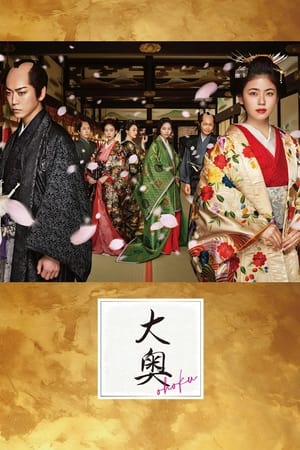
In an alternative feudal Japan, a strange disease that only affects males caused a massive population reduction, leaving females to fill the vacant jobs, therefore changing the social structure. Now, 80 years after the initial outbreak with a 1:4 male:female ratio, Japan is a completely matriarchal society. Females hold all important political positions, and males are their consorts. Only the most powerful female—head of Tokugawa shogunate—may keep a harem of handsome and unproductive males, known as "Ōoku".
Jinta journeys through a century-spanning epic, all while questioning why he wields a sword.
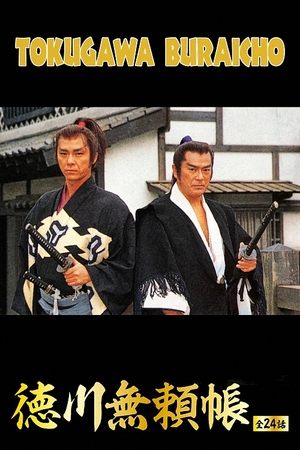
Kōchiyama Sōshun serves as a cha-bōzu (He is kind of tea man) in the administrative headquarters of the Tokugawa shogunate but he works behind the scene to protect powerless people from evil power of Tokugawa shogunate. Kataoka Naojirō and Ushimatsu work for Kōchiyama. Kaneko Ichinojō is a ronin whose interests often align with Kōchiyama
Kohei Akiyama, a popular master swordsman, and his son Daijiro live in the town of Edo in good faith. While running a dojo, Daijiro and his father find themselves wrapped up in a series of events with the town's people.
宮本武蔵
Heiji is an undercover policeman in the city of Edo. He possesses a superior skill of throwing coins. When a criminal is caught, Heiji throws coins at the offender and reveals his true identity. Like “Abarenbo Shogun,” “Mito Komon” and “Toyama no Kinsan,” “Zenigata Heiji” is about an official working undercover to catch criminals. The hero was created by novelist Kodō Nomura in 1931.