An American model is pursued by Yakuza gangsters when she writes a book about her experience modeling in Japan.
Blue-eyed ronin Nemuri Kyōshirō is ordered to eliminate assassins targeting a senior official. A rosary links the plot to hidden Christians, drawing him into rival power struggles—and multiple factions trying to kill him.
After the forced suicide of Nobunaga Oda at the Incident at Honnō-ji, powerful figures Katsuie Shibata, Hideyoshi Toyotomi, Nagahide Niwa and Tsuneoki Ikeda meet to decide on a successor. The conference would become Japan's first group made political decision. The meeting was known as the Kiyosu Kaigi.
Floating Vessel (源氏物語 浮舟 , Ukifune) is a 1957 color Japanese film directed by Teinosuke Kinugasa. Drawn from parts of the famous Genji monogatari by Lady Murasaki.
Masaatsu Naito successfully completes Sankin-kotai (required ritual to visit the shogun). On his way home, he hears that an insurrection by peasants has taken place in his hometown of Yunagaya. Masaatsu Naito knows that it is a counterattack by Matsudaira. He returns to Yunagaya, but finds that his castle is gone.
Blind traveler Zatoichi is a master swordsman and a masseur with a fondness for gambling on dice games. When he arrives in a village torn apart by warring gangs, he sets out to protect the townspeople.
In Tensho 9, as Oda Nobunaga nears the unification of Japan, he assigns trusted generals to conquer remaining regions. Meanwhile, a peasant farmer named Sahei, resembling Nobunaga, is chosen by Hideyoshi and Sen no Rikyu to act as Nobunaga’s shadow. Furious at the idea of a double, Nobunaga confronts Sahei, who courageously performs the "Atsumori" dance, impressing Nobunaga enough to accept him as his Kagemusha. Sahei’s first test as the shadow warrior comes at a memorial service for the Oda family.
Police detective Heiji is assigned to catch the masked Maboroshi gang of robbers who have terrorized all of Edo, leaving few clues as to their leader's identity.
A samurai answers a village's request for protection after he falls on hard times. The town needs protection from bandits, so the samurai gathers six others to help him teach the people how to defend themselves, and the villagers provide the soldiers with food.
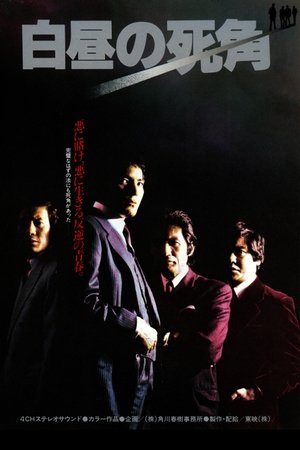
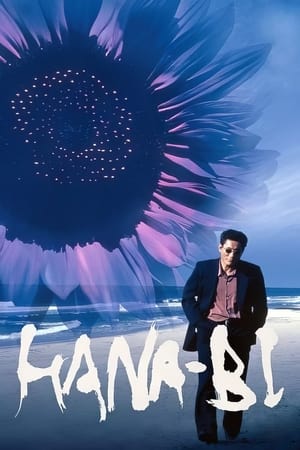
A Japanese Yakuza gangster's deadly existence in his homeland gets him exiled to Los Angeles, where he is taken in by his little brother and his brother's gang.
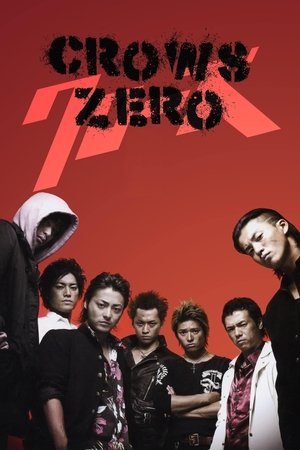
Shiratori Tatsuhiko works as a scout for talent agency Burst in Kabukichō, Shinjuku's red light district, recruiting young girls for the adult entertainment industry. In a business where money means everything, Tatsuhiko finds himself in a constant struggle between rival scouts and the Yakuza.
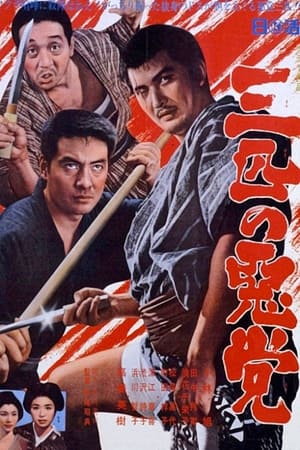
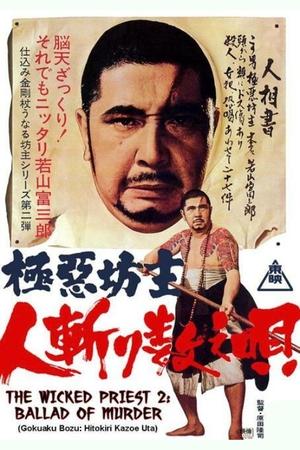
Forth film in the Gokudo series with Tomisaburô Wakayama
The one-eyed swordsman Tange Samanosuke receives a secret order from his lord, Daizen no suke: to steal the cursed twin blades, Kenunmaru and Konryumaru. He risks his life to seize Kenunmaru, losing his right arm in the process. Saved by the fugitive Ofuji, he is reborn as the one-eyed, one-armed warrior-Tange Sazen. Soon, the turmoil reaches Town Magistrate Ooka Tadasuke.
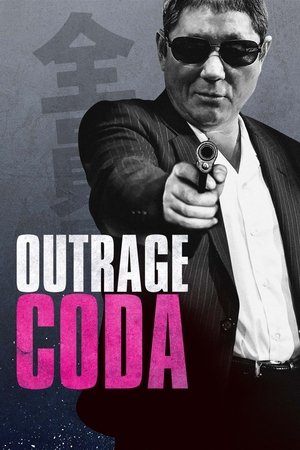
Nozomi Hanada, the underboss of the Kanto Saiseikai Obara Group, lives his life on the path of chivalry while protecting his happy family with his wife Komaki and son Toru. One day, a major incident that shakes the Kanto Yakuza society breaks out. Nishimatsu, the chairman of the Saiseikai, decides to have the popular Obara succeed him, instead of the powerful Fukui. However, the ambitious Fukui is not satisfied with the decision and stabs Nishimatsu to death in order to take the chairman's position. He takes the outrageous step of putting the stigma of parent murder on Obara. Nozomi and his friends decide to fight to live the path of chivalry, but an even more cruel fate befalls them.
After assuming the title of second boss of the Obara Group, Nozomi Hanada begins a counterattack against the Kanto Saiseikai Fukui Group.
A poor peasant, after years of scraping, becomes a rich and powerful Osaka merchant. Mizoguchi Kenji's final project; he died before completing it and directing duties turned over to Yoshimura Kozaburo.
Dolls takes puppeteering as its overriding motif, which relates thematically to the action provided by the live characters. Chief among those tales is the story of Matsumoto and Sawako, a young couple whose relationship is about to be broken apart by the former's parents, who have insisted their son take part in an arranged marriage to his boss' daughter.
Four people recount different versions of the story of a man's murder and the rape of his wife.
Writer Jippensha Ikku hears Tsutaya Juzaburo, a wholesaler of picture books, mutter on his deathbed, "Where has Sharaku gone?" He begins to figure out the true identity of Sharaku, who disappeared after about 150 portraits of actors he created came out.
In the mountainous region of Koshu, Taikahara, there was an intense power struggle between the prominent families, Tamaki and Kakukura. Facing the steward of Kakukura, Kurokawa Senjiro, was Tamaki Daisaburo, who was skilled with a handgun. Daisaburo had granted protection to the charcoal maker, Miyoshi, safeguarding a few mountains passed down from their ancestors. Daisaburo's elder brother, Iori, who had completed his training in Edo, saved Kakukura's only daughter, Koyumi, on his way back home. However, while Daisaburo rushed to Iori's aid after Koyumi was attacked by Kurokawa and his men, their family home was set ablaze.