A reportage cross-cutting film about the development of Africa from 1900-1936, using archive footage and film material from earlier African expeditions.
Every year, on the steppes of the Serengeti, the most spectacular migration of animals on our planet: Around two million wildebeest, Burchell's zebra and Thomson's gazelles begin their tour of nearly 2,000 miles across the almost treeless savannah. For the first time, a documentary captures stunning footage in the midst of this demanding journey. The documentary starts at the beginning of the year, when more than two million animals gather in the shadow of the volcanoes on the southern edge of the Serengeti in order to birth their offspring. In just two weeks, the animal herd's population has increased by one third, and after only two days, the calves can already run as fast as the adults The young wildebeest in this phase of their life are the most vulnerable to attacks by lions, cheetahs, leopards or hyenas. The film then follows the survivors of these attacks through the next three months on their incredible journey, a trip so long that 200,000 wildebeest will not reach the end.
Drawing from never-before-seen footage that has been tucked away in the National Geographic archives, director Brett Morgen tells the story of Jane Goodall, a woman whose chimpanzee research revolutionized our understanding of the natural world.
For 12,000 years wolves roamed Scotland. However, over three centuries ago, we exterminated them. This film reveals the rise and fall of the Scottish wolf and explores the question of whether they should be re-introduced. Wolves arrived as the last ice age ended, following the herds of deer and reindeer that crossed a now-lost land bridge from Europe. For thousands of years, wolves and humans shared the landscape as apex predators, with the wolf entering human art, myth and belief. However, farming put wolves and humans on a collision course, and, after centuries of persecution, wolves became extinct in Scotland. Since then, deer numbers have exploded, and many of Scotland’s woodlands have been stripped bare. Some argue for the wolf’s return. Could we, and should we, hear the howl of the wolf once more in the Highlands?
A documentary of insect life in meadows and ponds, using incredible close-ups, slow motion, and time-lapse photography. It includes bees collecting nectar, ladybugs eating mites, snails mating, spiders wrapping their catch, a scarab beetle relentlessly pushing its ball of dung uphill, endless lines of caterpillars, an underwater spider creating an air bubble to live in, and a mosquito hatching.
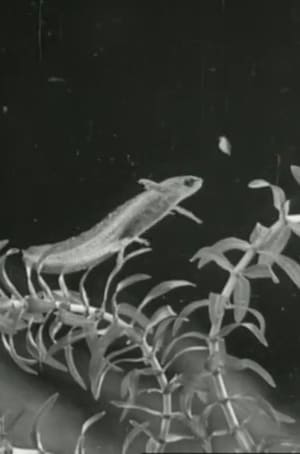
Short documentary about eels
The early retired Gert spends the last summer in his garden, a place that has become a real home for him. The garden will be demolished to create a shopping center on its grounds. The only thing Gert can do is remember memories of happy times he spent with his family in the garden.
Follows the story of "Grizzly Man" Timothy Treadwell and what the thirteen summers in a National Park in Alaska were like in his attempt to protect the grizzly bears. The film is full of unique images and a look into the spirit of a man who sacrificed himself for nature.
William Shatner sits down with scientists, innovators and celebrities to discuss how the optimism of 'Star Trek' influenced multiple generations.
Ostrovy milionů ptáků
An astonishing journey revealing the awesome power of the natural world. Over the course of one single day, we track the sun from the highest mountains to the remotest islands to exotic jungles.
A poetic journey through the inner world of a grieving filmmaker who tries to find solace in talking to her ghost. Different stages of grief are visually linked to seasonal changes in nature. The filmmaker finds reflections of her mindscape in the surrounding scenery and wildlife.
In Southern Bahia, seven indigenous women invite to reflection, sharing their mythology, ancestry and paths to living well.
This experimental nature documentary by Minna Rainio and Mark Roberts depicts climate change and the wave of extinction from the point of view of our near future. Actually, it depicts the age we live in now, or rather its fateful consequences.
Finland’s first nature documentary. The filmmakers’ expedition leads them all the way to the Åland Islands and the Karelian Isthmus.
Described as being a film about determination, danger and the ocean’s greatest depths, James Cameron's "Deepsea Challenge 3D" tells the story of Cameron’s journey to fulfill his boyhood dream of becoming an explorer. The movie offers a unique insight into Cameron's world as he makes that dream reality – and makes history – by becoming the first person to travel solo to the deepest point on the planet.
Journey alongside a young tigress raising her cubs in the fabled forests of India.
The remarkable true story of three animal species rescued from the brink of extinction: California’s enchanting Channel Island Fox, China’s fabled Golden Monkey, and the wondrous migrating crabs of Christmas Island. Discover successful, heartfelt, and ingenious human efforts to rescue endangered species around the world.
Investigation into a global ecological disaster that could endanger the entire human race. Today, a third of our food depends directly on bees, the most important agricultural pollinator* on our planet. Yet, for several years now, millions of bees have been mysteriously disappearing. Why? Will we be able to cope with this predicted catastrophe?
Salango is a small parish south of Manabí. What this land means to Ecuador, however, is huge. Its name is associated with the pre-Columbian legacy of the Manta Wancavilca cultures, the humpback whales that arrive each year to mate, the homonymous island and its coral reefs, the great wealth of marine fauna. It is there, in one of the places with the greatest archeological and environmental heritage of our country, where the Polar fishmeal processor has been operating for 35 years. What does not emerge from the idyllic postcards of the area is the foul smell that pollutes the air, the portrait of people sick from the factory's toxic wastes, the disgusting black smoke that flows into the sea directly from the processor pipeline. That is why it is the struggle of the few members of the community who have not given up and demand that Polar leave.