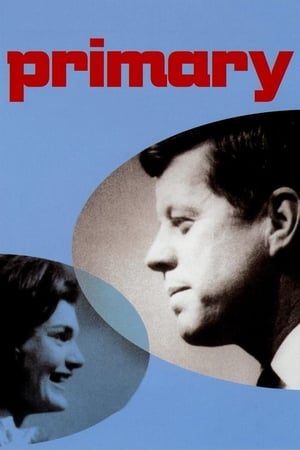
Primary is a documentary film about the primary elections between John F. Kennedy and Hubert Humphrey in 1960. Primary is the first documentary to use light equipment in order to follow their subjects in a more intimate filmmaking style. This unconventional way of filming created a new look for documentary films where the camera’s lens was right in the middle of what ever drama was occurring. Preserved by the Academy Film Archive in partnership with The Film Foundation in 1998.
Once hunted to extinction, the California Grizzly survives only as a symbol, frozen on the state flag, waving over the land it once roamed. A century later, will California bring back its lost icon or leave it in myth?
Short documentary extolling the virtues and necessity for women to participate in America's preparation for war, showing women working in scientific, industrial, and voluntary-services activities. Preserved by the Academy Film Archive in 2008.
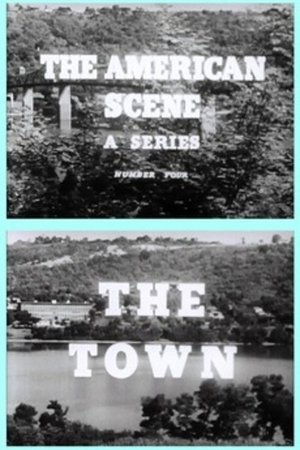
The Town was a short propaganda film produced by the Office of War Information in 1945. It presents an idealized vision of American life, shown in microcosm by Madison, Indiana. It was created primarily for exhibition abroad, to provide international audiences a more well-rounded view of America, and was therefore produced in more than 20 translations. Preserved by the Academy Film Archive in 2012.
Gigantic machine combs beach in southern California and retrieves articles lost in sand; synthetic gems made by new chemical process; aviation school holds classes in grounded transport plane; how seaweed is processed for scientific use.
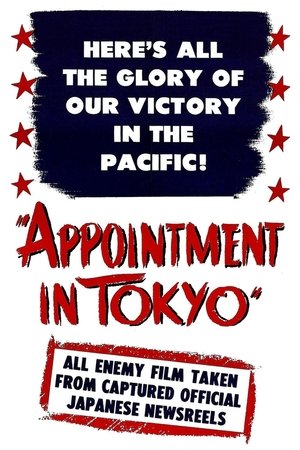
Produced by the Army Pictorial Service, Signal Corps, with the cooperation of the Army Air Forces and the United States Navy, and released by Warner Bros. for the War Activities Committee shortly after the surrender of Japan. Follow General Douglas MacArthur and his men from their exile from the Philippines in early 1942, through the signing of the instrument of surrender on the USS Missouri on September 1, 1945. Preserved by the Academy Film Archive in 2013.
Mixing narrative and documentary, the film retells a 16 year old girl's experience of a date rape.
The Beach Boys - California Surfin
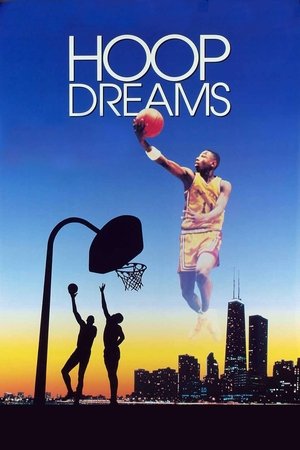
Every school day, African-American teenagers William Gates and Arthur Agee travel 90 minutes each way from inner-city Chicago to St. Joseph High School in Westchester, Illinois, a predominately white suburban school well-known for the excellence of its basketball program. Gates and Agee dream of NBA stardom, and with the support of their close-knit families, they battle the social and physical obstacles that stand in their way. This acclaimed documentary was shot over the course of five years.
Riding Giants is story about big wave surfers who have become heroes and legends in their sport. Directed by the skateboard guru Stacy Peralta.
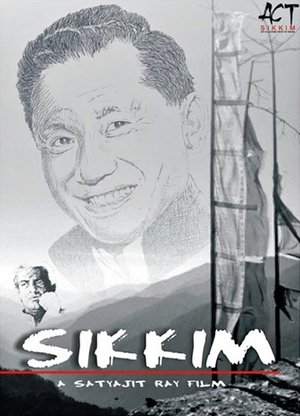
Satyajit Ray's poetic documentary was commissioned by the Chogyal (King) of Sikkim at a time when he felt the sovereignty of Sikkim was under threat from both China and India. Ray's documentary is about the sovereignty of Sikkim. The film was banned by the government of India when Sikkim merged with India in 1975. The ban was finally lifted by the Ministry of External Affairs in September 2010. Preserved by the Academy Film Archive in 2007.
Through concerts and interviews, folk-progressive group Harmonium takes Quebec culture to California. This documentary full of colour and sound, filmed in California in 1978, recounts the ups and downs of the journey of the Quebec musical group Harmonium, who came to feel the pulse of Americans and see if culture, their culture, can succeed in crossing borders.
Low-level narcotics offenders too often cycle in and out of jail, re-offending soon after they hit the streets. District Attorney Kamala D. Harris has convened City leaders to answer this problem and, along with key partners, has launched Back On Track, an innovative education and employment reentry initiative focusing on young adult drug offenders. Designed to increase community safety by reducing recidivism, Back On Track couples strict accountability and close supervision with education, employment support and health care. The purpose of Back On Track is to prevent young people from committing crimes by leading them to make life changing choices.
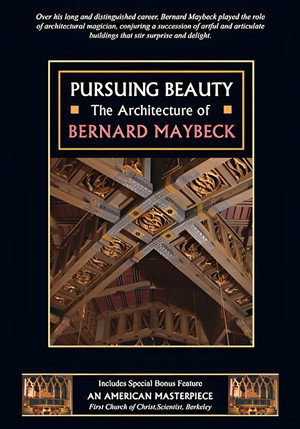
A core group of architects embraced the West Coast from Vancouver to LA with its particular geography and values and left behind a legacy of inspired dwellings. Today, architects celebrate the influence established by their predecessors.
For decades, Barbara Dane lent her stellar singing voice to social-justice movements in the Bay Area and beyond, garnering an impressive FBI file along the way. Deeply respected by fellow luminaries in folk, blues and jazz, Dane built a far-reaching legacy with music, activism, and love. As Maureen Gosling’s celebratory portrait reveals, early solidarity with those suffering racial and economic injustice sparked Dane’s passion to use her talent to sustain marginalized people. Rather than chase stardom, she followed her own maternal instincts to root herself and her family among generations of activist performers. Bonnie Raitt, Jane Fonda and other notables attest to Dane’s unique way of shaping and being shaped by tumultuous social revolutions from the 1950s on. Nearing 90, Dane triumphantly tours with piano virtuoso Tammy Hall to celebrate a life of staying awake and connected, true to her ideals. One star among many illuminates so much.
This short film takes a look at the off-screen personas of screen actors. Preserved by the Academy Film Archive in 2012.
CMC’s visionary leaders and artists to celebrate one of San Francisco’s most-revered and longest-running community arts programs.
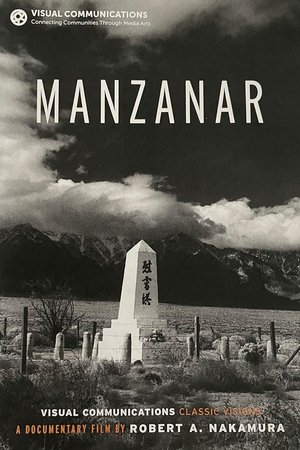
Short film about the Manzanar Japanese American internment camp. Preserved by the Academy Film Archive in 2011.
A film's art director is in charge of the set, from conception to construction to furnishing. This short film walks the viewer through art directors' responsibilities and the demands on their talents. They read a script carefully and design a set to capture the time and place, the social strata, and the mood. They must be scholars of the history of architecture, furnishings, and fashion. They choose the colors on a set in anticipation of the lighting and the mood. Their work also sets styles, from Art Deco in the 20's to 30s modernism. Then it's on to the next project. Preserved by the Academy Film Archive in 2012.
Explore the 1928 collapse of the St. Francis Dam, the second deadliest disaster in California history. A colossal engineering and human failure, the dam was built by William Mulholland, a self-taught engineer who ensured the growth of Los Angeles by bringing the city water via aqueduct. The catastrophe killed more than 400 people and destroyed millions of dollars of property.