At the beginning of the 20th century, a German household attempts to stay isolated from their new surroundings, in the south of Brazil. Their fear, however, sets the way for conflict.
A bunch of friends are celebrating the birthday of one of them when they decide to play a joke on him. None of them could imagine the consequences that would befall them.
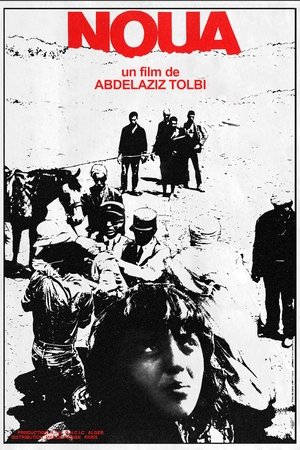
In Algeria in 1954, in a village in the Aurès region, poverty reigns over peasants enslaved by colonial administrators and Algerian landowners. Noua, in love with the son of a peasant dispossessed of his land, must be sold to a wealthy landowner.
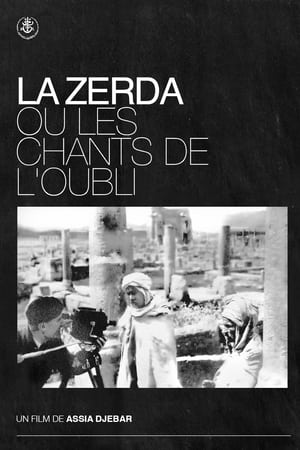
“La Zerda and the songs of oblivion” (1982) is one of only two films made by the Algerian novelist Assia Djebar, with “La Nouba des femmes du mont Chenoua” (1977). Powerful poetic essay based on archives, in which Assia Djebar – in collaboration with the poet Malek Alloula and the composer Ahmed Essyad – deconstructs the French colonial propaganda of the Pathé-Gaumont newsreels from 1912 to 1942, to reveal the signs of revolt among the subjugated North African population. Through the reassembly of these propaganda images, Djebar recovers the history of the Zerda ceremonies, suggesting that the power and mysticism of this tradition were obliterated and erased by the predatory voyeurism of the colonial gaze. This very gaze is thus subverted and a hidden tradition of resistance and struggle is revealed, against any exoticizing and orientalist temptation.
On Australia's most controversial national holiday, the lives of three Australians from diverse cultural backgrounds will collide, illuminating contemporary issues of racial tension and national identity that simmer beneath the surface of modern Australia.
Directed by Kamal Dehane
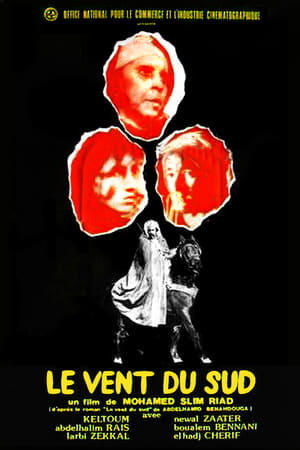
Néfissa, a student in Algiers, returns to her village in the south in the summer. Her father wants her to marry the mayor but she wants to continue her studies. Confronting her father and the opinion of the villagers who do not understand her, she decides to flee to Algiers. The shepherd Rabah discovering her wounded and lost in the mountains, has her treated by her mother. In contact with Nefissa, Rabat becomes aware of his exploited condition and discovers the possibilities offered to him by the cooperatives of the agrarian revolution. The two young people will go through the decisive stage together which will allow them to escape obscurantism and exploitation. Based on the novel "Le vent du sud" by Abdelhamid Benahouga
Sofija and Miroslav are two immigrants who live in France without papers with their two sons. To avoid being evicted, the State proposes them a grant if they go back to their country of orgine, the one from which fled.
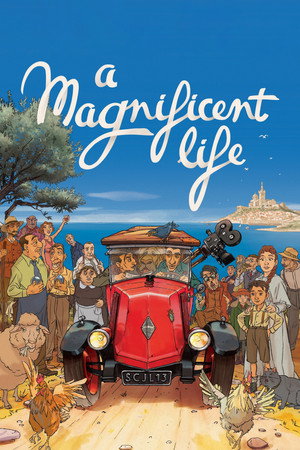
In 1955, 60-year-old Marcel Pagnol is a well-known and acclaimed playwright and filmmaker. When the editor-in-chief of ELLE magazine commissions a weekly column about Pagnol's childhood, he sees this as a great opportunity to go back to his artistic roots: writing. Realizing his memory is failing him and deeply affected by the disappointing results of his last two plays, Pagnol starts doubting his ability to pursue his work. That is until Little Marcel - the young boy he used to be - appears to him as if by magic. Together, they will explore Marcel Pagnol's incredible life and bring back to life his most cherished encounters and memories...
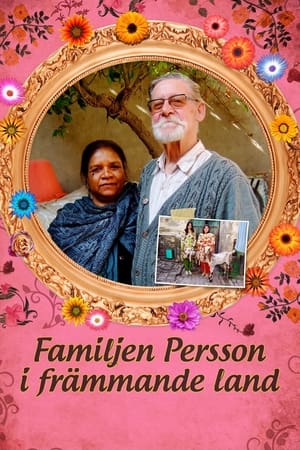
Per Persson left Sweden 40 years ago. In Pakistan he fell in love and became the father of two daughters. Trouble starts when the girls grow up and the family decides to emigrate to Sweden. When they end up living in a caravan outside Hässleholm, all their expectations are dashed.
In Margate, England, life is not easy for teenager Sarah Taylor, between being bullied at school, being exploited by a dominant boss and having to take care of her depressive mother and her two siblings. But Sarah finds a way to channel her growing despair and fight adversity when her drama teacher gives her a new purpose.
Chateaubriand
This rambling political melodrama tells the story of a French Breton who learns about colonialism while teaching native students in France's colonies of Tunisia and Algeria and returns to his native Brittany to see that the same conditions prevail there.
A young filmmaker returns to the village where she was born – a hamlet in the north of France – to investigate a strange story about a terrorist threat. She starts with members of her own family, and doesn’t have to go much further. The misunderstanding – as it turns out to be – shows above all how alarmist news items and political machinations in the cities can take on a life of their own, deep in the hinterland.
At a small seaside resort that is at risk of being submerged by the ocean, the inhabitants have been ordered to leave. Among those resigned to their fate are a reality TV candidate, a porn movie actress and a gay couple roaming the pine forest in search of themselves.
During a sunny day at Coney Island, a father and son's bond begins to fracture when the boy reveals his mother's plans to take him back to Novosibirsk, cutting ties with his father and American life.
In late 17th Century France, a young, insecure woman resorts to desperate ways to be reunited with her lover, who's become a nun at a convent. Based on the chronicles of Julie d'Aubigny.
A woman is forced to leave Venezuela, where she has lived for 28 years. She wonders what to pack in her suitcase.
Biography of the African-American who became a major performer in the Paris cabarets of the 1920s and 1930s. The film follows her life beginning as a struggling performer in 1917 St. Louis, her frustrations leading to her move to France, and follows to her death in 1975. Written by John Sacksteder
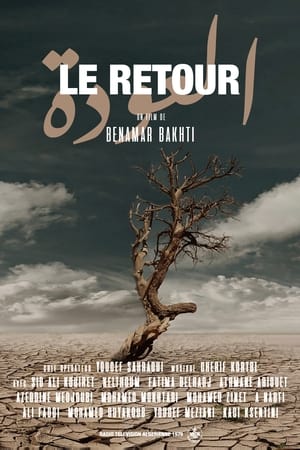
In the early 1970s, Lakhdar, an Algerian peasant, is forced to leave his desert land and his family for France, but immigration weighs on him and he dreams of returning. This day arrives, he walks in Paris, events decide otherwise.