A synthesis of sound and movement; colourful characters dance and move in repetitive patterns to percussive and melodic elements. A combination of motion and music that is hypnotic and beautiful. At first it feels structured and orderly but as more elements are added becomes quixotically expressive.
All of Bikini Bottom enters a sleigh race to win $1 million. While racing, they are attacked by the abominable snow mollusk. Plankton takes advantage of everyone being gone to steal the Krabby Patty secret formula.
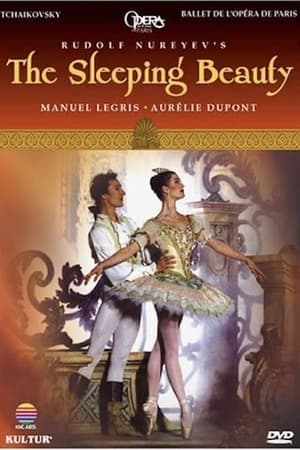
The Sleeping Beauty remains, as Rudolf Nureyev often called it, the 'ballet of ballets'. It is the most accomplished and the most brilliant, as well as one of the most spectacular of the 19th century, and the most representative of the 'noble' style of classical dancing. Performed by Opera National de Paris in 2000.
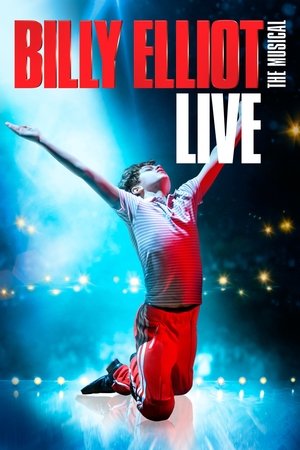
In County Durham, England, 1984, a talented young dancer, Billy Elliot, stumbles out of the boxing ring and onto the ballet floor. He faces many trials and triumphs as he strives to conquer his family’s set ways, inner conflict, and standing on his toes in a musical that questions masculinity, gender norms and conformity.
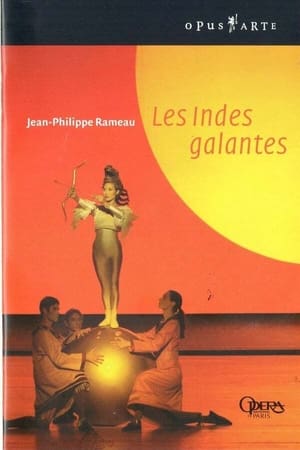
"William Christie and Les Arts Florissants propel this exuberant production of Jean-Philippe Rameau's second opera to great heights. Andrei Serban's extravagant, highly baroque staging presents the four exotic love stories vibrantly. In 'Le Turc généreux' Osman sets free his captive, Emilie, whom he loves, so that she may be reunited with her former lover, Valère; 'Les Incas de Pérou' is all about the rivalry of the Inca Huascar and the Spaniard Don Carlos, both in pursuit of Princess Phani; 'Les Fleurs' offers a Persian love intrigue, as the Sultana Fatime tries to detect whether her husband Tacmas has his eye on the lovely Atalide; and 'Les Sauvages' takes us to North America, where a Spaniard and a Frenchman compete for the love of Zima, daughter of a native chief, who prefers one of her own people." — from the DVD cover
Flames of Paris (Russian: Пла́мя Пари́жа) is a full-length ballet in four acts, choreographed by Vasily Vainonen to music by Boris Asafyev based on songs of the French Revolution. The libretto by Nicolai Volkov and Vladimir Dmitriev was adapted from a book by Felix Gras.
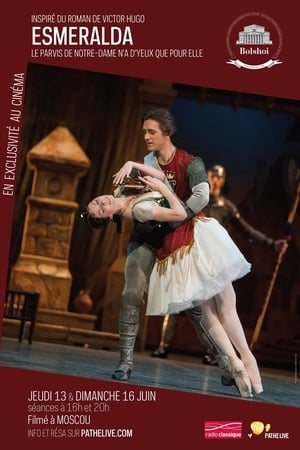
La Esmeralda is a ballet in three acts and five scenes, inspired by the novel Notre-Dame de Paris by Victor Hugo, originally choreographed by Jules Perrot to music by Cesare Pugni, with sets by William Grieve and costumes by Mme. Copère.
Shannon Davidson and Ashley Shaw at the iconic Royal Opera House in Covent Garden, delving into their thoughts and feelings about the timeless classic "The Red Shoes" to celebrate its 75th anniversary.
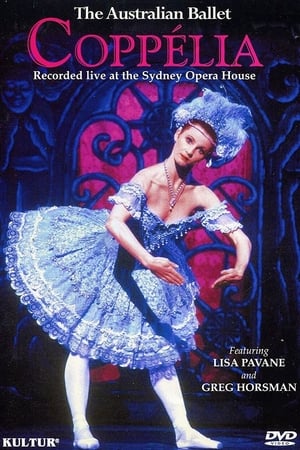
This delightful ballet tells the story of Dr Coppelius, an eccentric toymaker, who attempts to bring life to his beautiful doll Coppélia. He is foiled by the mischevious Swanilda, who masquerades as Coppélia and saves her love, Franz, from the Doctor's magic. Recorded live at the Sydney Opera House, this acclaimed production by Dame Peggy van Praagh, the founding Artistic Director of the Australian Ballet, is a triumph.
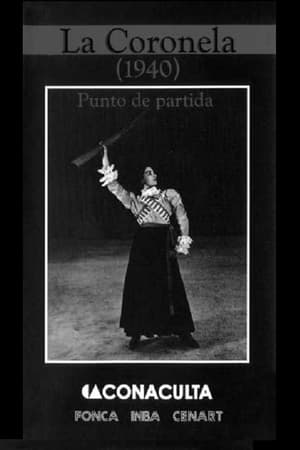
La Coronela (1940). Punto de partida
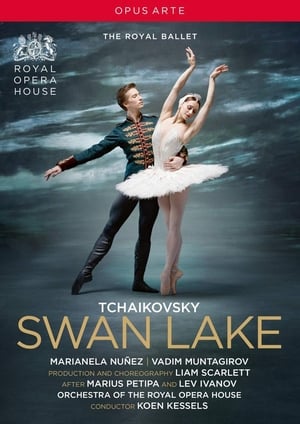
Prince Siegfried is celebrating his coming of age. The Queen Mother informs him that, the following day, during the grand ball held to mark his birthday, he must choose a future wife. Displeased at not being able to choose her out of love, he goes into the forest during the night. It is then that he spots a flock of swans. He raises his crossbow, prepares to shoot, but stops immediately: before him stands a beautiful woman dressed in white swan feathers, followed by twelve other women dressed in the same way, four of whom are known as the ‘little swans’. ‘Swan Lake’ is a ballet by Pyotr Ilyich Tchaikovsky, comprising 4 acts and 4 scenes, or 3 acts and 4 scenes. The staging is based on a libretto by Vladimir Begichev and Vasili Geltser. The story is an ancient German legend recounting the tale of the beautiful Princess Odette, transformed into a swan by the curse of the evil sorcerer Rothbart. Recorded live at the Royal Opera House, Covent Garden, on 17 March 2015.
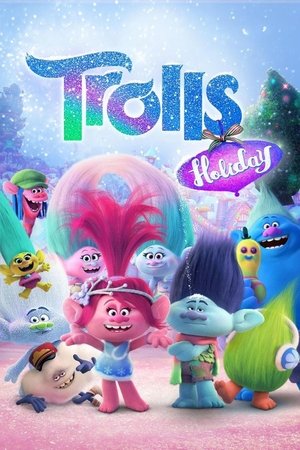
When the eternally optimistic Poppy, queen of the Trolls, learns that the Bergens no longer have any holidays on their calendar, she enlists the help of Branch and the rest of the gang on a delightfully quirky mission to fix something that the Bergens don't think is broken.
The management of touring ice show faces mounting debts.
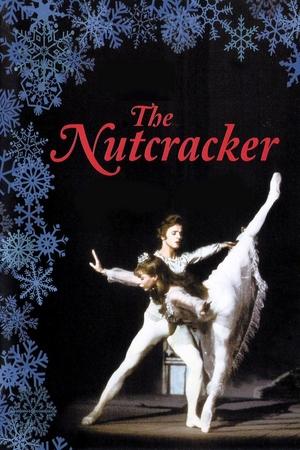
The Nutcracker is Mikhail Baryshnikov's breathtaking and critically acclaimed Emmy-nominated production. This spectacular performance is danced by the magnificent team of Baryshnikov, one of the greatest classical dancers of the century, and Gelsey Kirkland, both showcased at the peak of their careers, with members of the American Ballet Theatre.
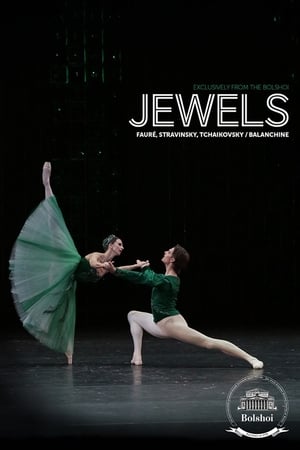
George Balanchine's jewel-themed triptych, strikingly choreographed to the music of Faure, Stravinsky and Tchaikovsky. This three act masterpiece is renowned as the world's first full-length abstract ballet. The Russian-born co-founder of the New York City Ballet, Balanchine was inspired by the artistry of jewellery designer Claude Arpels to create a trio of distinct movements revealing the essence of each precious stone. Each part also evokes three different cities: Paris, New York and St. Petersburg. 'Emeralds' was conceived as a tribute to the French romantic school, with music by Gabriel Faure. The fiery and energetic 'Rubies' taps into the rich tradition of Broadway musicals, with music by Stravinsky. 'Diamonds' honours the grandeur of Imperial Russia and the Maryinsky Theater, choreographed to the music of Tchaikovsky. With its jewel-like costumes, this is a celebration of the influences on the choreographer who was described as the father of American ballet.
This once-lost 1981 holiday special has now become a WPIX holiday tradition!
Béjart, 3 regards 2025
Eugen Suchoň's ballet Angelika is historically the first Slovak ballet in staged form, depicting the story of a musically gifted but poor and underestimated girl who is wrongly accused of theft. In the 2014/2015 season, the SND Ballet undertook the staging of the first Slovak ballet. Composer Eugen Suchoň (1908 - 1993), one of the founders of Slovak musical modernism, wrote the ballet pantomime Angelika for Slovakia as a seventeen-year-old pupil of the Music School. The work was found in the composer's estate along with other compositions from the so-called pre-Opus period. Mauro di Candia, who choreographed and directed the first staging of Suchoň's work, presents the staging concept of the ballet Angelika as an original, precise and pure ballet form within a contemporary choreographic language, combined with the musical elements of Suchoň's melodic score.
Dress rehearsal for the annual show runs smoothly until a disgruntled deaf girl named Meghan storms into the cafe pursued by her frustrated and furious hearing father, Jim. Meghan has just learned that, instead of spending time with her similarly deaf friends in Indianapolis, she and her family are all going to Colorado for Christmas vacation! But no one there is deaf, and she feels left out. Carlo, Mark and Rebecca offer some valuable and timely advice that results in an unusual and heartwarming Christmas gift.
On Christmas Eve, Bald Jemima relishes in her detest for the holiday and her hatred for Santa. However, after she accidentally gives Santa a crippling disease, she is forced to take on the burden of delivering presents. In this festive seasonal special, Bald Jemima must overcome her issues and reconnect with an old flame in order to save Christmas...