Communism spread to all of the continents of the word, lasting through four generations and over seven decades. Hundreds of millions of men and women were affected by this political system, one of the most unjust and bloodiest in history. Using newly discovered propaganda films and archival photos, these four episodes explore the mysteries of this totalitarian political machine that lured its share of important followers into the fold. Known as the red church, communism seduced its ardent followers like some earthly religion.
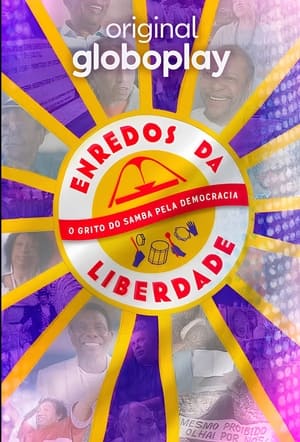
Enredos da Liberdade – O Grito do Samba Pela Democracia is a Brazilian documentary series available on Globoplay that delves into the pivotal role of samba schools during Brazil's transition from military dictatorship to democracy in the 1980s. Spanning five episodes, the series showcases how samba-enredo compositions became powerful tools of political resistance, addressing themes like censorship, economic hardship, and racial inequality. Through rare archival footage and interviews with prominent figures such as Martinho da Vila, Leci Brandão, and Rosa Magalhães, the documentary highlights the creative defiance of these cultural institutions. Each episode concludes with a reimagined performance of a significant samba, featuring artists like Teresa Cristina and Mart’nália, underscoring the enduring impact of these musical expressions in Brazil's democratic journey.
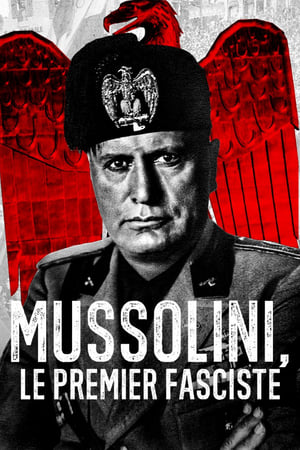
Mussolini seized power in Italy in 1922, after his March on Rome. He would hold it in his grasp until his death in 1945, establishing a dictatorship that lasted more than 20 years. Long considered a buffoon and a second-rate dictator, Il Duce invented fascism that was imitated by Hitler, who viewed the Italian as his political master. He wanted to transform his country into a warrior nation and promised Italians a return to the grandeur of the Roman Empire. He governed by violence and trickery and was one of the first populist leaders of modern times, leading his country into the catastrophe of the World War II. But who was Mussolini, this former teacher who came from the extreme left to become a newspaper editor and creator of the Fascist Party? Why did he ally himself with Hitler? Were the Italians really behind him? With archives and interviews with the last-surviving witnesses of the era, this portrait takes a look back at one of the most notorious dictators of the 20th century.
The untold true story behind the Cold War race to put man into space.
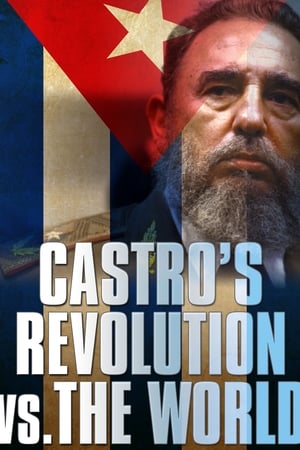
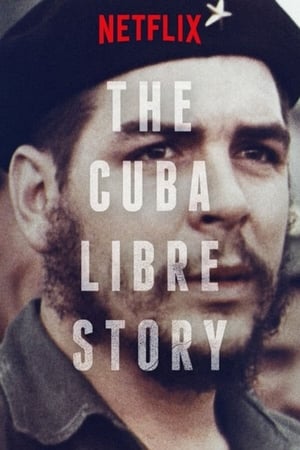
Recounts the tumultuous history of Cuba, a nation of foreign conquest, freedom fighters and Cold War political machinations.
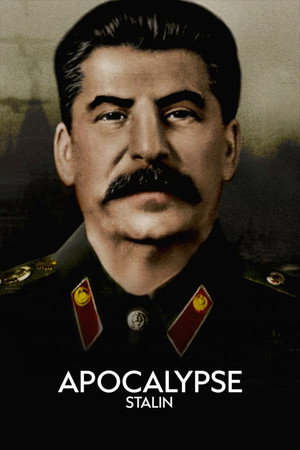
The rise of Stalin, from his early beginning as a bankrobber to the cold-blooded leader of the Soviet Union.
With firsthand accounts and access to prominent figures around the world, this comprehensive docuseries explores the Cold War and its aftermath.
A major political, historical, human and economic fact of the 20th century, the Gulag, the extremely punitive Soviet concentration camp system, remains largely unknown.
War and Peace in the Nuclear Age, first broadcast in 1989, is a thirteen-part PBS series on the origins and evolution of nuclear competition between the United States and the former Soviet Union. The series examined the rivalry for power and how it shaped the diplomacy, negotiation, ethical debates, and doctrine of deterrence that ran through the forty-year history of the nuclear age. This collection contains the full interviews and selected stock footage from the series.
The story of the underwater war between US, UK and Soviet submarines in the second half of the 20th century.
Diktaturet
Betray your country, save the world. Spies and traitors play a dangerous game in the 1980s as the Cold War brings two superpowers to the brink of nuclear war.
The whole story of Urho Kekkonen, the most important statesman during Finland's independence.
An immersive 360-degree narrative telling the epic story of the Vietnam War as it has never before been told on film. Featuring testimony from nearly 80 witnesses, including many Americans who fought in the war and others who opposed it, as well as Vietnamese combatants and civilians from both the winning and losing sides.
Louis Malle called his gorgeous and groundbreaking Phantom India the most personal film of his career. And this extraordinary journey to India, originally shown as a miniseries on European television, is infused with his sense of discovery, as well as occasional outrage, intrigue, and joy.
In the past, there was only one path to success in Mexican politics: the path of the PRI. But the PRI is not just a political party; it is the institution that shaped Mexico's public and political behavior. It survived armed uprisings, student movements, economic crises, electoral defeats, and corruption scandals, but it was arrogance, corruption, inconsistency, and abuse of power that ultimately brought it down.
The War of the Century: When Hitler Fought Stalin, is a BBC documentary film series that examines Adolf Hitler's invasion of the Soviet Union in 1941 and the no-holds-barred war on both sides. It not only examines the war but also the terror inside the Soviet Union at the time due to the paranoia of Joseph Stalin - the revenge atrocities, the Great Purge of army officers, the near-lunacy orders, and the paranoia of being upstaged by others, especially Marshal Zhukov. The historical adviser is Ian Kershaw.
This 4-part documentary miniseries covers the history of manned and unmanned space-flight, from the late 1800s through the mid-1980s.
Learn how six dictators, from Mussolini to Saddam Hussein, shaped the 20th century. How did they seize and lose power? What forces were against them? Learn the answers in these six immersive hours, each a revealing portrait of brutality and power.
The Lost World of Communism is a three-part British documentary series which examines the legacy of Communism twenty years on from the fall of the Berlin Wall. Produced by Peter Molloy and Lucy Hetherington, the series takes a retrospective look at life behind the Iron Curtain between 1945 and 1989, focusing on three countries in the Eastern Bloc - East Germany, Czechoslovakia and Romania. Through film and television footage and the personal recollections of those who lived in these countries, the series offers a glimpse of what daily life was like during the years of Communist rule. The Lost World of Communism debuted on BBC Two on Saturday 14 March 2009 at 9:00pm. There is also a book which accompanies the series.