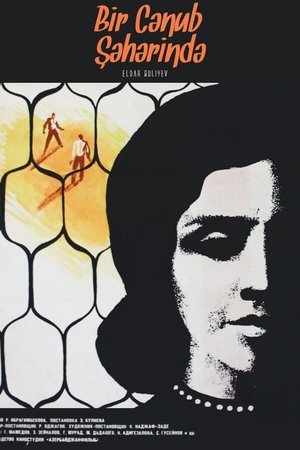
Film exposes the corruption and the decadence of the late Soviet bureaucracy in Azerbaijan SSR through the eyes of a naive Azerbaijani adult man, Hatem.
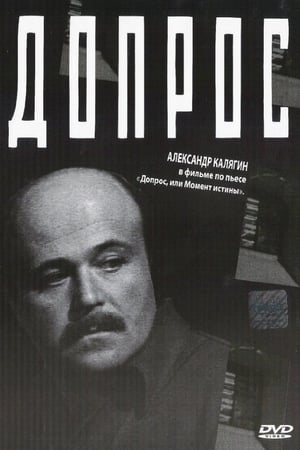
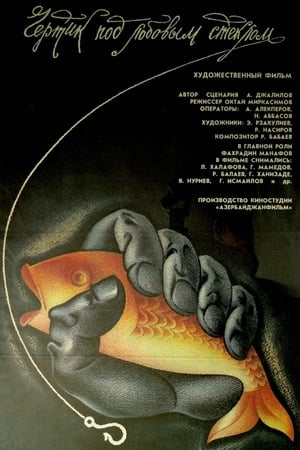
The investigator Seyfi Ganiyev runs the case of an illegal mercery shop's head Murad Abiyev, who confessed in embezzlement of one million rubles from public funds. Abiyev is also accused of the murder of an underage girls that occurred in Riga shortly after Abiyev saw her. He denies his guilt, but does not name the perpetrators though he knows them, despite the fact that he is facing the death penalty. The investigator understands that some high-ranking officials stand behind Abiyev, but he has no proof. Ganiyev seeks to obtain from the prisoner the whole truth to bring the criminals to justice.
Biopic about general Hazi Aslanov, who died fighting Germans in WW2.
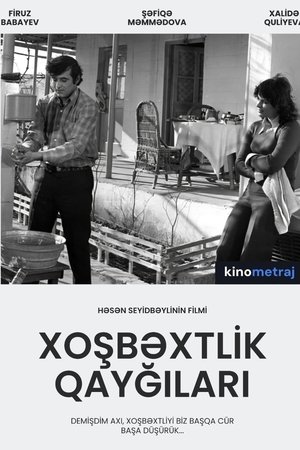
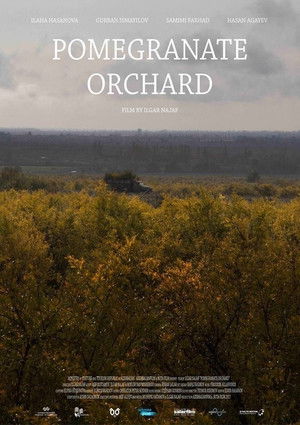
Inspired by Anton Chekhov's The Cherry Orchard, the film follows a prodigal son who returns after 12 years. His reappearance at the family home in rural Azerbaijan significantly alters their way of life.
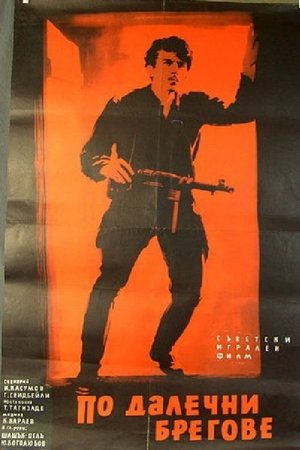
The film portrays the life of the legendary Azerbaijani guerrilla of the Second World War Mehdi Huseynzadeh, who fought the Nazi forces in the present-day Italy and Slovenia, hence the film's name On distant shores referring to the Adriatic Sea.
While looking for a job, a group of people end up in a private residence where they are forced to become dogs.
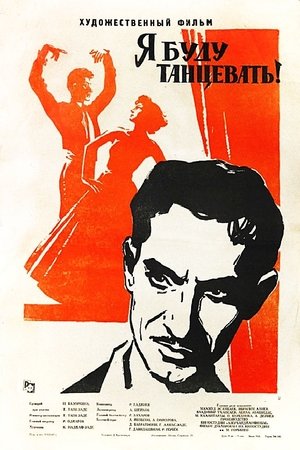
The film is about famous Chechen ballet and folk dancer Mahmud Essembayev's life.
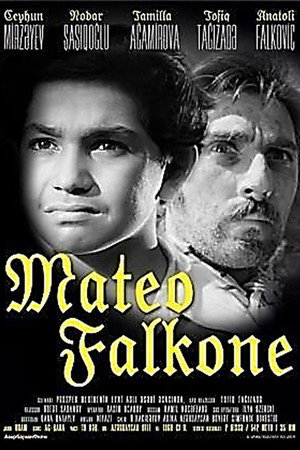
Matteo Falcone is an Azerbaijani short drama film based on Prosper Merimée's like-named story from 1829. Matteo Falcone is a successful Corsican, who lives with his wife Giuseppa and 10-year-old son Fortunato. One day he leaves home with Giuseppa, leaving Fortunato alone.
In Soviet Azerbaijan, a divorced Armenian couple fights over the custody of their daughter, Ashen. Stolen from one parent to another, Ashen's guardians are tragically killed in the bloody war surrounding them. Will the arrival of a new savior finally bring Ashen freedom? Official selection of the Global Lens Collection presented by the Global Film Initiative.
Young Ruslan rows for a team coached by his father Ali, who places many demands upon his son and is continually dissatisfied by his performance. But when tragedy strikes, his father is overcome with emotions he doesn’t know how to deal with. Debut director Asif Rustamov treats the heavy topic with remarkable subtlety and discretion, emphasizing the characters’ carefully elaborated psychology.
Childhood friends Ahmet and Nuri, the sons of poor farmers, grew up together, studied together, and worked together in a factory. Together, they publish the magazine Light, which opposes the colonial policies of foreign capital and military pacts. After their first imprisonment, the friends' paths diverge: Nuri betrays his convictions and joins a reactionary newspaper. His life is now safe, but he finds no joy or peace. Meanwhile, Ahmet, having become one of the main enemies of the reactionaries, attracts more and more patriots to his side.
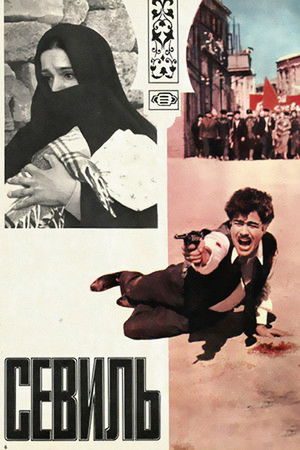
A historical revolutionary film depicting the struggle of peasants and the Baku proletariat against landowners and Musavatists in 1919.
The film is about dramatic revolutionary events happened in 1918 in Baku.
In a Azerbaijan, in the beginning of this century, the first films made in the history of cinema are shown.The characters meet each other in a room. Three characters who will witness the linking up of their destinies through their common love for this new captivating art.
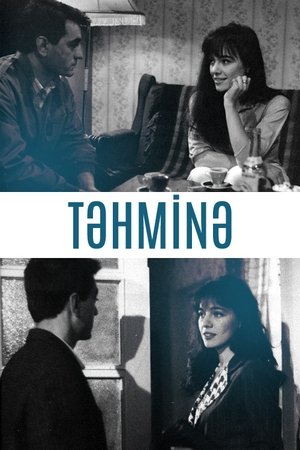
This Azerbaijani romantic drama depicts the love affair between Zaur, a man from an affluent family, and Tahmina, a divorced woman doing her best to survive in a conservative society.
Psychological drama about a university dean who leads a double life.
Based on a novel by Farman Karimzade, the movie shows the life in an Azerbaijani village under the Soviet rule in 1930s. Here two former "beys" (land owners) are opposing each other. One is loyal to the ideology of the past and can't reconcile himself to the new power, to second rejects the past and accepts the power of the Bolsheviks, believing that it will establish justice.
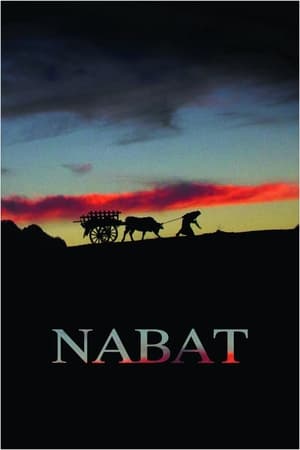
The story is set during an upsurge in the Nagorno-Karabakh conflict and revolves around an old, sick ex-forestry worker and his wife Nabat, whose son has died in battle.
War breaks out in the Caucasus. 75-year-old Maria loses her son in the war. She and her daughter-in-law Sofia have been living in the Caucasus for 12 years. When famine strikes, they want to move to Russia. The women decide that they must go to Moscow. Maria takes her little dog and Sofia her small suitcase, gets on the train and sets off. In the next compartment, photojournalist Alexander is also traveling. Sofia and Alexander love each other. Maria realizes at one of the stations near Volgograd that she cannot live without the Caucasus. She writes a letter to Sofia and leaves the train with her dog...
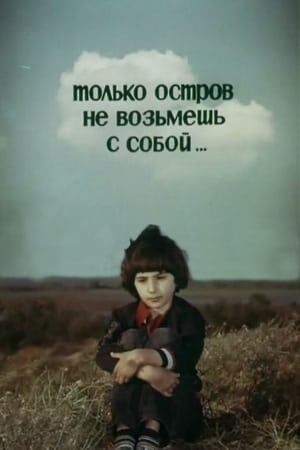
A young girl is trying to save an island which is endangered by nearby construction.