A video portrait of Fremont, California and its people.
In a contemporary reimagining of the American West, three young women - a snake hunter, a New York artist, and a rodeo queen - challenge the idea of who is permitted to be a cowgirl.
Named after the Shoshonean word for "Earth", this is the third and final part of Benning's "California Trilogy" and his approach to the Californian wilderness in 35 static scenes.
A brief moment at a hacker conference planted a seed that would eventually spawn an ad-hoc motorcycle gang in the Orkhon Valley of Mongolia. Join Vincent Canfield and the COCKCON crew as they ride motorcycles for the first time through one of the least densely populated countries in the world.
First film of Burnham Beeches, the famous beauty spot and ultimate film location.
The story of a series of wild fires that ripped through California's Wine Country on October 8, 2017 burning 250,00 acres, 9,000 homes and businesses and leaving 44 dead. The story is told through the people who survived. Fire Fighters, Local Residents, Wine Makers, Chefs, Musicians and the community of the Bay Area came together to lift one another up from the ashes and show the world their spirit remains Uncrushable.
When six teenage boys came together as a skateboarding team in the 1980s, they reinvented not only their chosen sport but themselves too – as they evolved from insecure outsiders to the most influential athletes in the field.
The Way of the Psychonaut explores the life and work of Stanislav Grof, Czech-born psychiatrist and psychedelic psychotherapy pioneer. Stan’s quest for knowledge and insights into the healing power of non-ordinary states of consciousness, influenced the discipline of psychology and profoundly changed many individual lives. One of those transformed by Stan is filmmaker Susan Hess Logeais. The documentary utilizes Susan’s personal existential crisis as a gateway to Grof’s impact, from the micro to the macro.
The real story of "4:20 Somethings" living in California's semi-legalized marijuana culture.
Pilot JP Schulze and filmmaker Louis Cole set off to circumnavigate the world in a single-engine, 1974 Cessna T210L airplane named Balloo. They had 90 days to complete the journey, and as they traveled they met people from many different cultures and asked them - is what divides us greater than what brings us together?
Take a musical odyssey through five weird and wonderful decades with brothers Ron & Russell Mael, celebrating the inspiring legacy of Sparks: your favorite band’s favorite band.
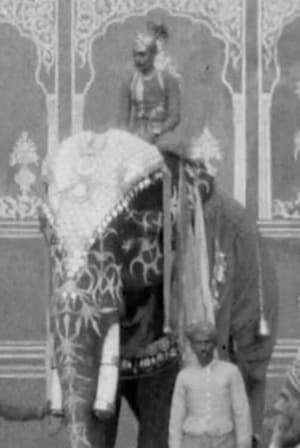
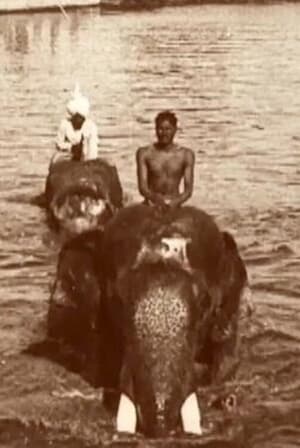
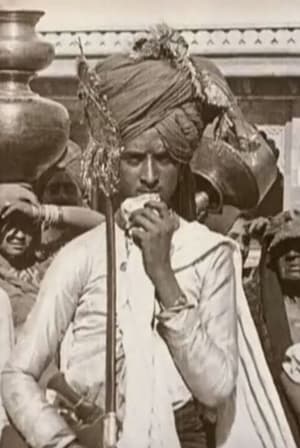
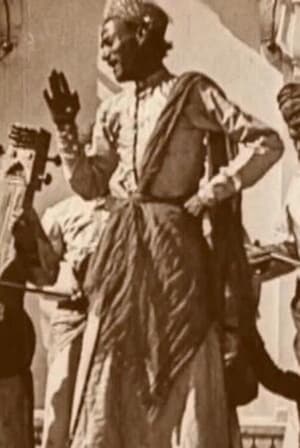
Technicolor scenes from an Indian Durbar, held for the Maharaja of Alwar in Rajasthan.
A 19-year-old high school graduate travels through Australia as a backpacker and accompanies his adventure with a camera.
A home movie made by Robbins and Meg Barstow that documents their family's free trip to the newly opened Disneyland. The one-week trip was a prize that they won in a contest sponsored by Scotch tape.
A look at the "mod" culture of the, visiting the Sunset Strip in West Hollywood, going from discotheques to dirt bike competitions, surfing, karate, go-carting, political protests and pot parties.
A faux travelogue that mixes documentary and mockumentary footage. The camera looks through a one-way glass into the women's dressing room at a lingerie shop, visits a Kyoto massage parlor, goes inside the mailroom at Frederick's of Hollywood, watches an Australian who sticks nails through his skin and eats glass, checks out the art and peace scene in Los Angeles, takes in Easter week with vacationing college students on Balboa Island, observes a German audience enjoying a play about Nazi sadism, and, with the help of powerful military lenses, spies on a Lebanese white-slavery auction.
A “hidden camera” takes the viewer on a worldwide tour of sexual practices and rituals, including Tijuana strippers, Asian sex shows, British prostitutes, New York devil worshipers and a Mexican slave market.
In 1962 Joris Ivens was invited to Chile for teaching and filmmaking. Together with students he made …A Valparaíso, one of his most poetic films. Contrasting the prestigious history of the seaport with the present the film sketches a portrait of the city, built on 42 hills, with its wealth and poverty, its daily life on the streets, the stairs, the rack railways and in the bars. Although the port has lost its importance, the rich past is still present in the impoverished city. The film echoes this ambiguous situation in its dialectical poetic style, interweaving the daily life reality (of 1963) with the history of the city and changing from black and white to colour, finally leaving us with hopeful perspective for the children who are playing on the stairs and hills of this beautiful town.
This in-depth analysis explores the disconnect between policymakers and regular Californians, causing a mass exodus from the state. It's an essential resource for all Californians to understand what's happening.
Questions of race, identity and heritage are explored through the lives of young American women growing up as adoptees from China. These four distinct individuals reflect on their experiences as members of transracial families.