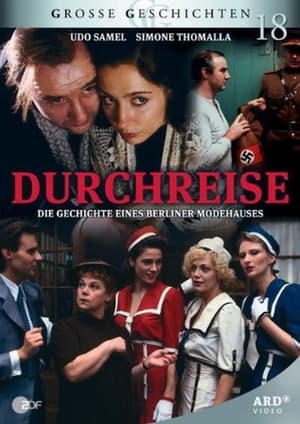
Durchreise – Die Geschichte einer Firma
Familie Braun
Buscando el Norte
In 1981, Gerd Heidemann, a bloodhound reporter for the German magazine Stern, believes he's stumbled onto the greatest literary find of the century: the personal diaries of Adolf Hitler. Shrouded in secrecy, Heidemann and the men of Stern attempt to pull off the greatest scoop in publishing history, blinded by their greed to the fact that the diaries are, in fact, crude forgeries.
Ein Herz und eine Seele is a German cult sitcom based on the British sitcom Till Death Us Do Part by Johnny Speight. The show premiered on January 15, 1973 and lasted for about twenty episodes, airing its last on November 4, 1974. In 1976, the show had a short-lived revival with another four episodes. Ein Herz und eine Seele was written by Wolfgang Menge. The show was extremely successful during its initial run and it still proves very popular in reruns. Two episodes in particular, Silvesterpunsch and Rosenmontagszug have gained such popularity that they are now shown traditionally on German TV on New Year's Eve and Rosenmontag, respectively.
Set in a bizarre, 1960's inspired version of World War II, the action comedy series follows the finest group of spies the Allies have to offer on a mission to kill Adolf Hitler.
A family moves from hip Berlin to a semi-detached house in the idyll and gets to know their neighbors...
David (28) moves to Berlin to live with his girlfriend, but she dumps him immediately. Unwilling to give up on his hyper-romantic expectations about friendship, love and paying rent, he decides to stay. Things don't go as planned.
Berlin in the 1920s. A dazzling place, but times are not only golden, they are marked by poverty and crime. Vicky arrives in the city, led by promises of a better life, she’s looking for a job. But as soon as she gets there, her hopes and dreams are met with a cold awakening. With no place to stay and nothing to her name, she hires on to work as a saleswoman at a newly-established, glamorous department store. But the founders are also fighting for survival, just like Vicky. Times are tough, and it’s about to get tougher.
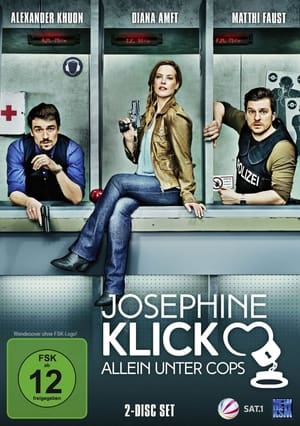
In 1946 Berlin, an American cop searches for his missing brother while helping a novice German policewoman fight the violent crimes engulfing the city.
Josephine Klick – Allein unter Cops
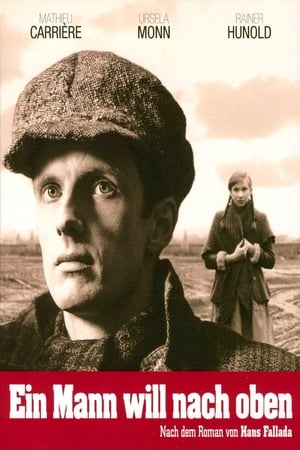
In 1909, Karl Siebrecht, who has just become an orphan, arrives in Berlin. The 16-year-old is eager to conquer the city for himself in just a few weeks. On the train ride there, he meets Rieke Busch, a girl from the working-class district of Wedding. She accompanies Karl from then on. But he soon realizes that he will have to start at the bottom. His path is characterized by small successes and setbacks. Only later does he make his breakthrough by founding a luggage transportation company. But once again, his success was short-lived as his business partner booted him out. Karl Siebrecht is faced with the ruins of his company. But he does not give up, finds new ways and seems to have achieved another breakthrough. But then the First World War breaks out...
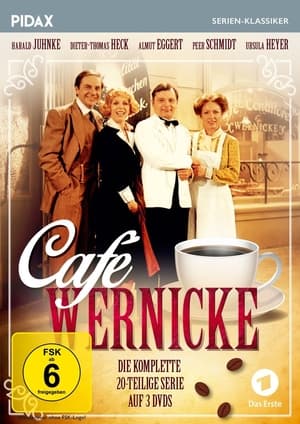
Café Wernicke
A century ago, the world experienced a revolution in mobility. Cities like Berlin grew rapidly, with the Graf Zeppelin soaring over the city in 1928, sparking excitement for airship travel. These majestic airships made ocean crossings faster and more luxurious, and even enabled polar expeditions. At the same time, automobiles and motorcycles became staples for many, although streets became congested. Women like Amelia Earhart and Elly Beinhorn broke barriers in aviation, inspiring new possibilities for both genders in the field of technology. While air travel grew in popularity, trains remained the main long-distance transport. The era also saw an explosion of new mobility options, with faster, cheaper ways to travel across the globe, making the world seem smaller and more connected. However, this golden age of mobility would be cut short by the outbreak of World War II.
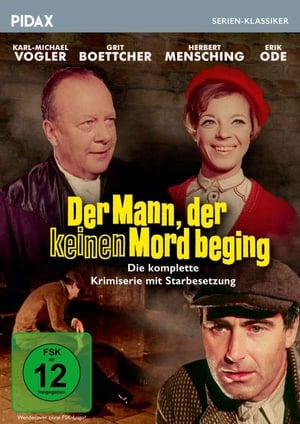
Der Mann, der keinen Mord beging
Travel back to 1990s Berlin and discover the story of a family caught between bureaucracy, politics, and social exclusion, determined to build a new life in Germany.
On 23 August 1939, the world was shocked to discover that Hitler and Stalin, the most intractable of their enemies at the time, had signed a pact that allowed them to divide Poland between them and gave the Nazi leader complete freedom to concentrate his forces in the West, against France and the United Kingdom. Through this agreement, Europe was to be thrown into war. For a long time, the relationship between Hitler and Stalin was ignored: their mutual fascination, their moves to get closer, the marks of confidence they exchanged and all the benefits they derived from the German-Soviet pact, before resuming their war to the death in June 41 with the "Barbarossa" operation.
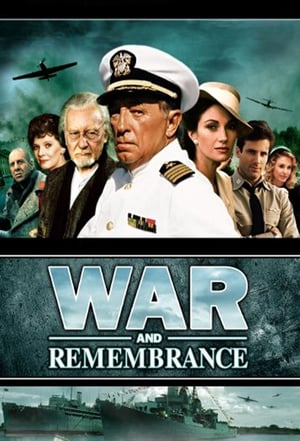
Following the attack on Pearl Harbor, the extended Henry and Jastrow families navigate the personal, social and political impacts of World War II, including the Holocaust, the Battle of the Bulge, and the Pacific theater.
Adolf Hitler: Decoding a Dictator
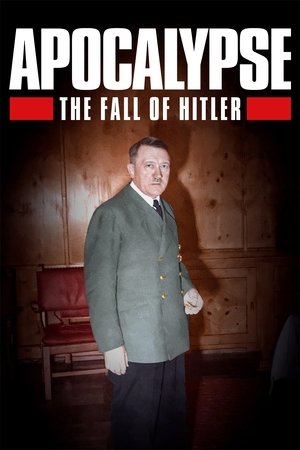
Summer 1943: Hitler engages in a decisive battle in Kursk to win the war in the East. This is without counting on the pugnacity of the Red Army and the Allied intervention in the West. Month after month, the noose tightens on the Nazi tyrant who refuses to admit defeat and precipitates his country in its fall.