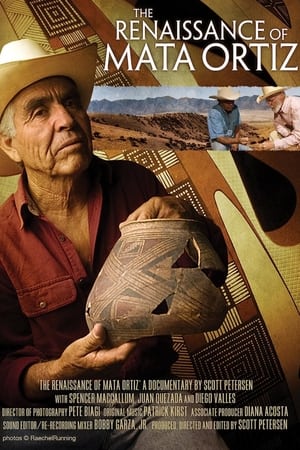
One of the great mysteries of history is how the ancient Maya built such an incredible society in a tropical rainforest over two thousand years - and then vanished. How? Why? New discoveries and new science can now tell the story.
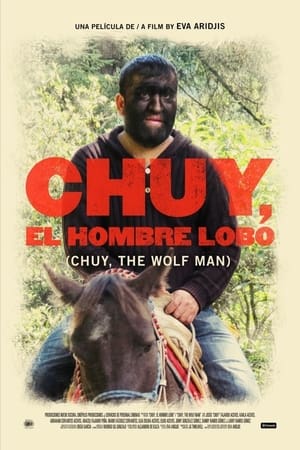
Jesus 'Chuy' Aceves and a dozen living members of his extended family suffer from the very rare condition of congenital hypertrichosis, meaning they were born with excessive hair on their faces and bodies. Due to their appearance, they suffer from discrimination in all areas of their lives: the children are made fun of at school and abandoned by their 'non-hairy' parents, and the adults cannot find work unless they choose to exhibit themselves as freaks in circuses. This moving and visually arresting documentary is a portrait of Chuy and his family members. It examines their day-to-day lives and their struggle to find love, acceptance and employment.
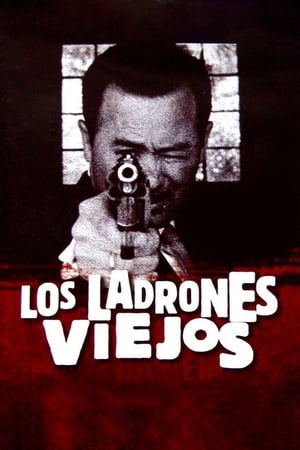
Is the story of a generation of thieves who achieved their greatest victories in the sixties; their distinctive code of ethics, the various categories of delinquents inhabiting the citys streets, their alliances with high ranking police officials that allowed them to operate, the betrayals that followed, and the price they ended up paying.
The film portraits the stage previous to the outbreak of the Mexican Revolution, from the end of Porfirio Díaz´ government, the social volatility, the ephemeral government of Madero and the presence of the working class in the figures of Villa and Zapata, until the signing if the Constitution of 1917. All of this through moving images, filmed during those events mainly by the Alva brothers, filmmakers of that time. Those images let us perceive the contradictory and shuddered glance of the people of that period.
Hindu temples at Benares and Belur and the mythologies associated with them.
This Traveltalk short visits southern Mexico.
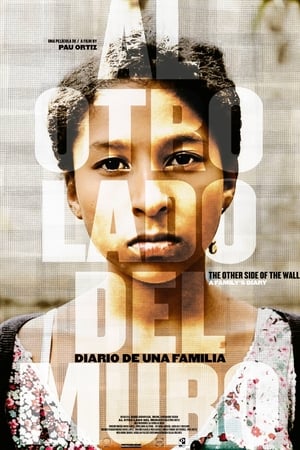
Tells the story of Maria, a Central American immigrant who is forced to leave her family in search for a better life. On her way to the United States, she is forced to cross Mexico where she experiences a nightmare.
Cenotes—sources of water that in ancient Mayan civilization were said to connect the real world and the afterlife. The past and present of the people living in and around them intersect, and distant memories echo throughout immersive scenes of light and darkness.
This 2004 documentary by Werner Herzog diaries the struggle of a passionate English inventor to design and test a unique airship during its maiden flight above the jungle canopy.
For the first time, complainants against La Luz del Mundo megachurch leaders expose the abuses they suffered through exclusive interviews.
As police and DEA agents battle sophisticated cartels, rural, economically-disadvantaged users and dealers–whose addiction to ICE and lack of job opportunities have landed them in an endless cycle of poverty and incarceration–are caught in the middle.
Academy Award®-winning filmmaker Errol Morris confronts one of the darkest chapters in recent American history: family separations. Based on NBC News Political and National Correspondent Jacob Soboroff’s book, Separated: Inside an American Tragedy, Morris merges bombshell interviews with government officials and artful narrative vignettes tracing one migrant family’s plight. Together they show that the cruelty at the heart of this policy was its very purpose. Against this backdrop, audiences can begin to absorb the U.S. government’s role in developing and implementing policies that have kept over 1300 children without confirmed reunifications years later, according to the Department of Homeland Security.
Lake Patzcuaro, located 230 miles west of Mexico City, is one of the highest and most picturesque bodies of water in Mexico. The heritage of the indigenous peoples of the area, the Tarascans, still prevails, such as the production of lacquer-ware handicrafts, and the means of hunting and fishing, the latter which uses nets shaped like large butterfly wings. Although most current day Tarascans are Roman Catholic, they have not totally abandoned their indigenous pagan gods. On Janitzio, one of the many islands in the lake, stands a large statue commemorating José María Morelos, a prominent figure in Mexican liberation and a great benefactor to the Tarascans. Janitzio is also the inspiration for many famous paintings. The town of Tzintzuntzan just inland from the lake's shore acts as the regional center for the market and for festivals.
This Traveltalk series short showcases the Mexico City police department's various units as they participate in a yearly festival. Included are a marching band, a parade of patrol cars, the motorcycle unit, equestrian unit, and the department's pistol team.
April 1994 in the Lacandona Jungle, Chiapas, México. The Zapatista women talk about the living conditions of Mexican indigenous populations and the life of peasant women. They explain the reasons for their struggle and their uprising.
A rock band traveling many places of the world, and on planes, buses, in hotels and dressing rooms we discover the creative process that brings them together, their friendship, frustrations and the desire of still being a rock band, the most important rock band in Mexico, on the year that they celebrate 20 years of being Café Tacvba.
Follows unaccompanied child migrants, on their journey through Mexico, as they try to reach the United States.
Documentary on the Mayan culture.
An analysis of the impact on the United States Latino community of immigration policies promoted by President Donald Trump.
The sites and sounds at the 800-year-old Horenji Temple in Kyoto — electro music, English, takoyaki, a kaleidoscopic elephant — would seem to belie its long history. But in order for the family-run temple to thrive in the 21st century, it must continue to reinvent itself. Intimately following future head priest Scion (30) along with his fiancée Haruka and firstborn sister Ariya, critically-acclaimed director Ema Ryan Yamazaki captures one unexpected corner of Japanese society's struggle to balance tradition with progress.