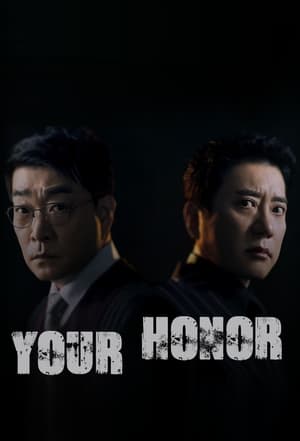
Michio Iruma is a former lawyer. He now works as a judge in the first criminal court (commonly known as "Ichikei") of the Tokyo District Court. He is an unusual judge. To avoid issuing wrong judgements, Michio Iruma seeks out the truth in cases by performing on-site inspections by himself. Due to this, lawyers and prosecutors are afraid of him.
A look at the personal and professional lives of the judges, lawyers, clerks, bailiffs and cops who work at an L.A. County courthouse.
A cruel and vicious judge, who wields power only for herself, meets a warm and cheerful detective who puts the victims first.
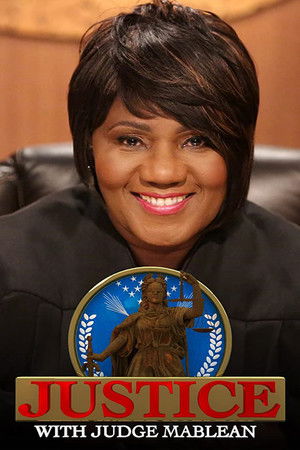
Judge Cristina Pérez presides over small-claims court arbitrations, offering litigants the chance to settle their disputes legally and providing viewers with insight into the justice system. These are real court cases reenacted by actors.
强制执行
Courthouse
A young girl falls in love with a poor brewer's son. Their relationship is opposed by the girl's father, a rich mobster who has come to town to try to bully his way into the inner circle of Munich's brewery dynasties.
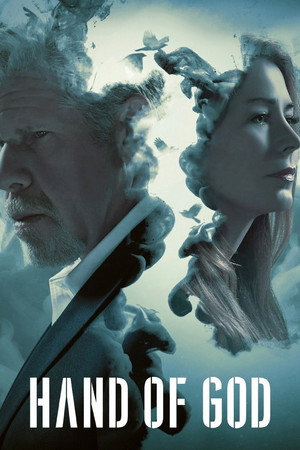
A morally corrupt judge suffers a breakdown and believes that God is speaking directly to him, compelling him onto a path of vigilante justice.
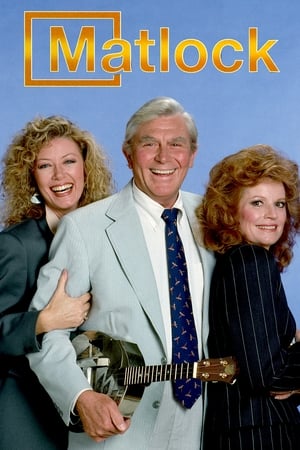
Thrifty, folksy and cantankerous, Matlock charges a premium for his services but is worth every penny: This renowned attorney, always clothed in his trademark light-gray suit and driving his signature Ford Crown Victoria, has an uncanny knack for finding overlooked clues and exposing murderers in dramatic courtroom scenes.
Judging Amy is an American television drama that was telecast from September 19, 1999, through May 3, 2005, on CBS-TV. This TV series starred Amy Brenneman and Tyne Daly. Its main character is a judge who serves in a family court, and in addition to the family-related cases that she adjudicates, many episodes of the show focus on her own experiences as a divorced mother, and on the experiences of her mother, a social worker who works in the field of child welfare. This series was based on the life experiences of Brenneman's mother.
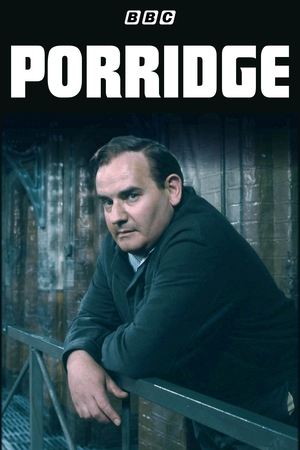
Porridge is a British situation comedy broadcast on BBC1 from 1974 to 1977, running for three series, two Christmas specials and a feature film also titled Porridge. Written by Dick Clement and Ian La Frenais, it stars Ronnie Barker and Richard Beckinsale as two inmates at the fictional HMP Slade in Cumberland. "Doing porridge" is British slang for serving a prison sentence, porridge once being the traditional breakfast in UK prisons. The series was followed by a 1978 sequel, Going Straight, which established that Fletcher would not be going back to prison again. Porridge was voted number seven in a 2004 BBC poll of the 100 greatest British sitcoms.
"Löwengrube – Die Grandauers und ihre Zeit" is a German television series first aired between 1989 and 1992, created by Willy Purucker and directed by Rainer Wolffhardt. It is set in Munich and follows the lives of Ludwig Grandauer and his son Karl, both policemen, covering the years from 1897 to 1954. The TV show is based on Purucker's radio play series Die Grandauers und ihre Zeit (‘The Grandauers and their time’). The series’ main title "Löwengrube", meaning ‘Lions’ Den’, refers to the address of the Munich Police Headquarters inaugurated in 1913.
Law and Disorder is a British sitcom that aired on ITV in 1994. Starring Penelope Keith, it was written by Alex Shearer, who had also written No Job for a Lady, which Keith appears in. It was directed and produced by John Howard Davies. Law and Disorder was made for the ITV network by Central and Thames Television.
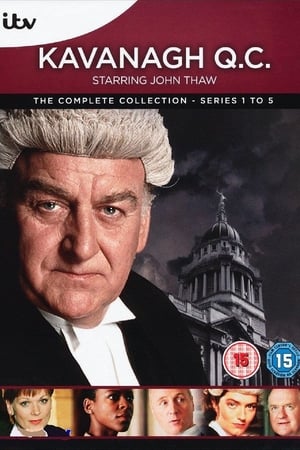
John Thaw dons the silks as barrister James Kavanagh Q.C., one of the most highly respected criminal advocates in London, commanding admiration from colleagues and opponents alike. However, all this has come at a price as his dedication to work has taken its toll on his private life… Going beyond traditional courtroom dramas, “Kavanagh Q.C.” uncovers the pressures of legal battles and the problems of defining the truth, providing a compelling representation of the euphoric ups and costly downs of success and failure in the legal world.
Acusados
Schwurgericht (also known as The Murder Film ) is a crime film series produced by Sat.1 from 1995 to 1997. The series depicts criminal cases from the perspective of the public prosecutors. The series was conceived as a competitor to ARD's Tatort ( Tatort) and initially aired during prime time on Sundays at 8:15 p.m. However, ratings fell short of expectations. The series was ultimately canceled in 1997. Completed episodes were later broadcast under the title Der Mordsfilm (The Murder Film) or without a series title.
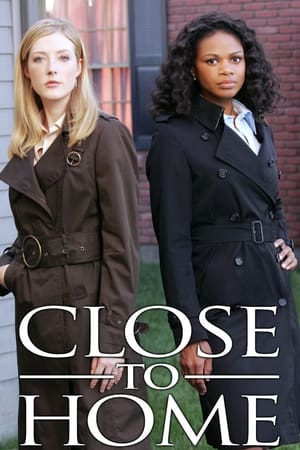
Close to Home
Snap Judgment was a daily American legal comedy television program, which aired on CourtTV from 1999 to 2000, hosted by commentator Lionel, and created by The Daily Show co-creator Lizz Winstead. Court TV described it as "an irreverent, satirical and 'judicially incorrect' look at the absurdities that exist in all areas of the legal system." According to a review in the New York Observer, "Snap Judgment, hosted by the AM radio personality currently known as Lionel, is a novelty for Court TV, a satirical examination of the process it otherwise treats so reverently. The show contains court testimony from absurd lawsuits and profiles of obscure players in the legal profession." According to The New York Times, "Shown on weeknights, the show features Lionel offering sardonic commentary on legal events in the news and video excerpts from trials, often from small-claims courts. An "expert" then joins Lionel in analyzing the cases. One recent case: a fight between two neighbors over injury to a chicken that inspired producers to book the Chicken Man, whose usual job is on-street promotion for poultry dinners."
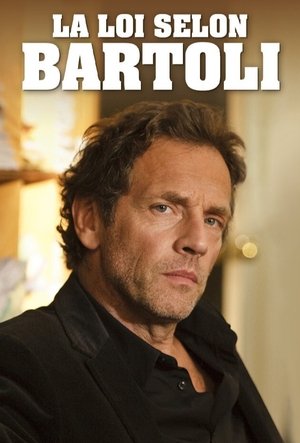
La Loi selon Bartoli
The Courtroom is a British legal drama created by Phil Redmond, which aired between June and December 2004. The programme was notable for starring many former British soap stars, particularly those who starred in Redmond's other productions Brookside and Hollyoaks.