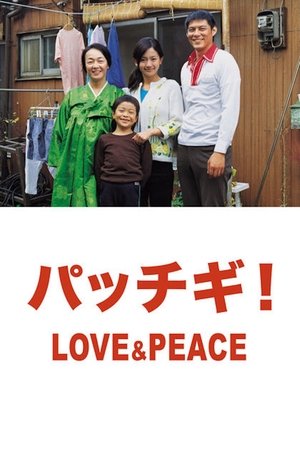
Set in the 1970's in the Kansai region of Japan.. Yong-Gil is Korean, but he moved to Japan and settled down. He runs a small restaurant named Yakiniku Dragon. He is married and has three daughters: oldest daughter Jung-Hwa, middle daughter Yi-Hwa and youngest daughter Mi-Hwa. Oldest daughter Jung-Hwa is dating Tetsuo, but they break up. Middle daughter Yi-Hwa loves Tetsuo and marries him, but Tetsuo still loves her older sister and they divorce. Youngest daughter Mi-Hwa wants to become a singer, but she is in love with a married man.
In 1923, teenager Kim Shun-Pei moves from Cheju Island, in South Korea, to Osaka, in Japan. Along the years, he becomes a cruel, greedy and violent man and builds a factory of kamaboko, processed seafood products, in his poor Korean-Japanese community exploiting his employees.
An account of karate competitor Choi Yeung-Eui who went to Japan after World War II to become a fighter pilot but found a very different path instead. He changed his name to Masutatsu Oyama and went across the country, defeating martial artists one after another. This film concentrates on the period when he is still young, and developing his famous karate style, Kyokushin.
Hidenori is a Japanese-Korean man with no sense of belonging, destination or education. He drifts around and meanders through life until a death reminds him of his heritage and so begins a journey to South Korea.
Sugihara, a Japanese-born, third-generation Korean teenager struggles to find a place in a society that will not accept him.
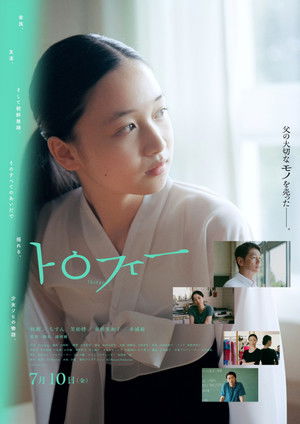
The story follows So-hee, a 14-year-old Zainichi Korean girl. She goes to a Korean school and devotes herself to Korean traditional dance as her school club activities. One day, at an exchange event with a Japanese school, she befriends Mirai, a Japanese girl who shares her love of K-pop. Through this encounter, So-hee gradually begins to connect with the world beyond her own. As their friendship deepens, the two decide to sell unused items from So-hee's home on a flea market app to earn money for their favorite K-pop idols live tickets. One item fetches an unexpectedly high price-a North Korean CD, which is So-hee's father's. Sanju, the father, is the principal of a Korean elementary school. Emboldened by this success, So-hee and Mirai take it a step further, eventually selling even the medal that Sanju had been awarded by his homeland, North Korea.
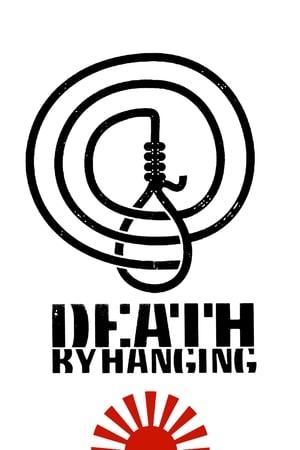
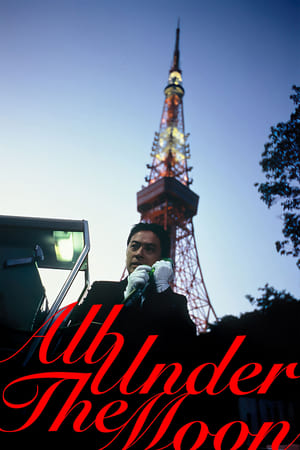
A Korean man is sentenced to death in Japan but somehow survives his execution, sending the authorities into a panic about what to do next.
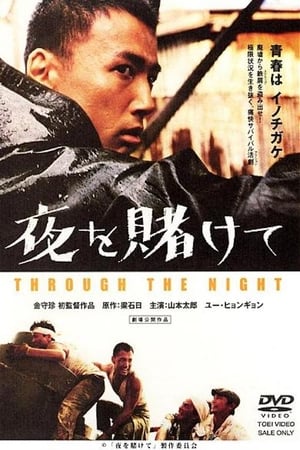
When poverty-stricken Korean-Japanese (Zainichi) discover there is valuable iron ore in the rubble of a destroyed shantytown they plan to haul it out for profit. Amidst this plan there is discrimination, war and an infatuation between a man and a woman, but like everything around them there and owing to the forces around them, there is as much chance that these may burn to ashes and be destroyed or be the beginning of something new.
A Korean taxi-driver interacts both humorously and tragically with his customers and employers in '90s Tokyo.
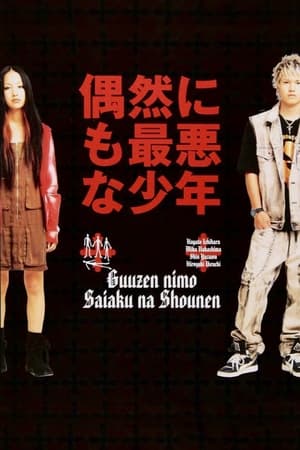
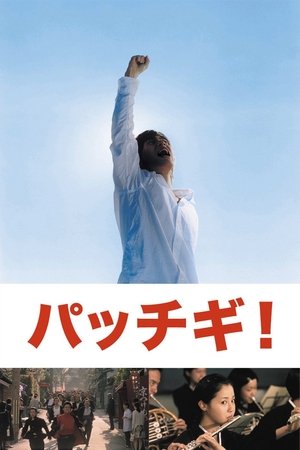
Romeo, A.K.A. Kosuke Matsuyama, is a second-year high school student. A nice, normal, nonviolent type, he suddenly finds himself in the middle of a rampaging crowd of Korean boys, outraged by insults perpetrated by several of his idiotic class-mates on two Korean girls. He makes a narrow escape, but soon after, he and his best bud Yoshio are sent by their home-room teacher to invite the Korean students to a friendly soccer game as a way of restoring the peace.
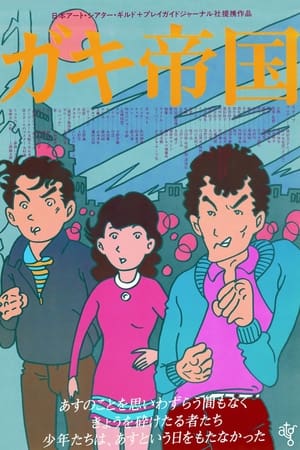
Following a stint in reform school, Ryu (Shinsuke Shimada) returns to his home, the Minami area of Osaka, accompanied by his new friend Ko (Takeshi Masu). He's greeted by his friends, Chabo (Ryusuke Matsumoto) and Ken (Bang-ho Cho). They seek to forge their own path through a multitude of rival gangs in Kita and Minami, including the Hokushin Alliance, backed by the yakuza, the Hope Association, and various other minor factions, including Zainichi Korean groups. What follows is a wild, fast-paced story of violence, revenge, betrayal, and discrimination, that never loses its sense of humor.
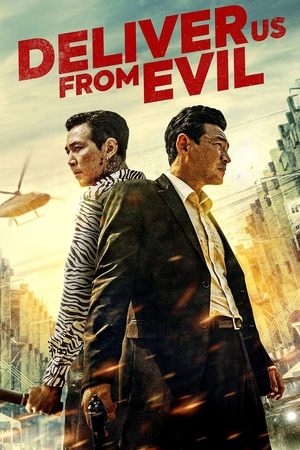
A retired contract killer goes on a bloody rampage when a young girl finds herself at the mercy of gangland human traffickers and only one man can come to her rescue, with an arsenal of weapons and years of experience in the art of killing.
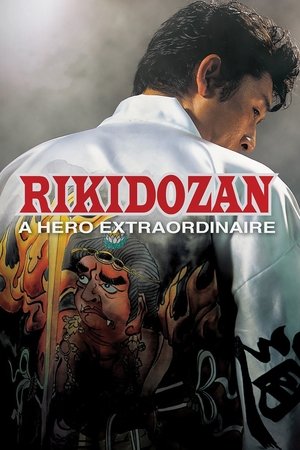
Story of Rikidozan, a sumo wrestler who can only achieve limited success in Japan because he's half Korean. But when Rikidozan goes to the United States and discovers professional wrestling, he becomes a hero back home.
In 1974, during the height of the recession, a Japanese Korean family relocates to Tokyo to raise money and seek better treatment for their ill son.
In Kawasaki, Japan, 1st to 3rd generation of Korean-Japanese and Americans share their daily lives and wish for a symbiotic society. The inter-Korean summit in 2000 brought reconciliation and hope to the divided Korean community. Meanwhile, hundreds of hateful demonstrators are approaching Sakuramoto, the Korean residence, amid deepening tensions between Japan and Korea in 2016.
Confronting half of her mother’s life—her mother who had survived the Jeju April 3 Incident—the director tries to scoop out disappearing memories. A tale of family, which carries on from Dear Pyongyang, carving out the cruelty of history, and questioning the precarious existence of the nation-state.
One woman. One racist lie. One lawsuit that shook Japan. Korean Japanese entrepreneur Shin Sugok takes on major media in this electro-shock legal thriller about refusing to be silenced.
A Japanese herb called 'shiso' looks like a perilla leaf but has a unique fragrance. It's like how I have a Korean name and nationality but still feel a sense of alienation in Korean society. The death of my grandmother, a first-generation Zainichi, raises a question for me: Does death also mark the end of the life of an outsider? In the end, where do we return to?
The late Kim Dong-il, a Jeju April 3 refugee in Japan, left behind over 2,000 crocheted items and pieces of clothing that preserved her memories, identity, and history. As the film traces the redistribution of her belongings, it illuminates the still-unhealed lives of various Zainichi Koreans who lived through the same era, sharing and connecting their intertwined memories.
Imman Kim wants to reconcile with his parents, who emigrated to Osaka after April 3 Jeju Uprising. Cheolwoong Park has supported his younger sister during his entire life, blaming his father who moved to Tokyo to avoid guilt-by association. Soonam Park has devoted her life to human rights movement for a second-generation Korean-Japanese and her daughter Mayi Park who also lives as a Korean-Japanese. This film tell us about meaning of a nation through their life stories.