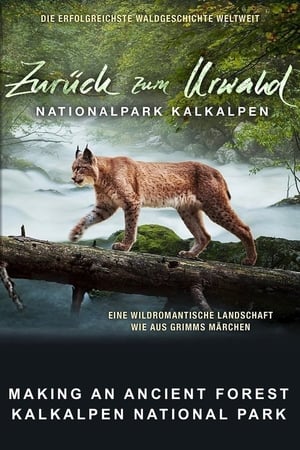
This film, three years in the making, The remote forests of Kalkalpen National Park in Austria, the largest area of wilderness in the European Alps, have been left untouched by humans for nearly a quarter of a century in order to return to their natural, primeval state. The landscape regenerates itself in dramatic cycles of growth and decay, and this bold hands-off method of conservation yields salient results: the lynx, absent from the area for 115 years, has returned.
A day in the city of Berlin, which experienced an industrial boom in the 1920s, and still provides an insight into the living and working conditions at that time. Germany had just recovered a little from the worst consequences of the First World War, the great economic crisis was still a few years away and Hitler was not yet an issue at the time.
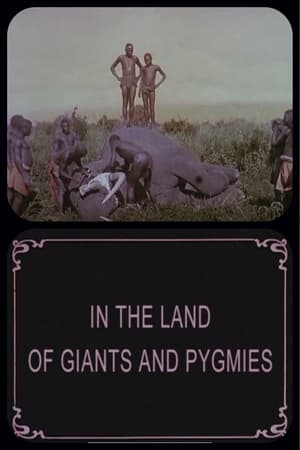
IN THE LAND OF GIANT PYGMIES, a diary of Aurelio Rossi's 1925 trek into the immense Belgian Congo, preserves a long-gone-Colonial-era wonder at natural resources, "primitive" tribes, customs and costumes in Europe's cast African possessions, and implies that the "dark continent" could benefit from the "civilizing" influences of home.
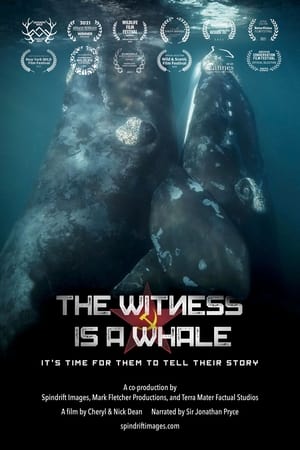
Archival footage, hidden documents, and personal records reveal one of the greatest environmental crimes of the 20th century: the secret and illegal slaughter of hundreds of thousands of whales by the Soviet Union and Japan during the Cold War.
Stelvio: Crossroads of Peace
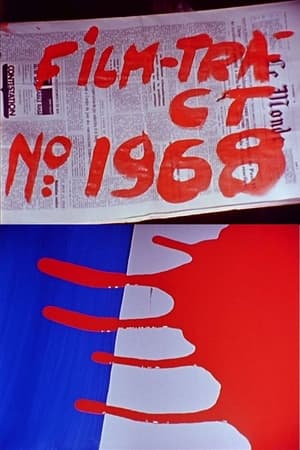
In the 1968 movement in Paris, Jean-Luc Godard made a 16mm, 3-minute long film, Film-tract No.1968, Le Rouge, in collaboration with French artist Gérard Fromanger. Starting with the shot identifying its title written in red paint on the Le Monde for 31 July 1968, the film shows the process of making Fromanger’s poster image, which is thick red paint flows over a tri-color French flag. —Hye Young Min
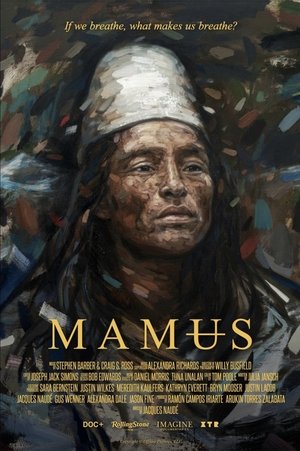
A stunning and intimate portrait of the Arhuaco indigenous community in Colombia. In 1990, in a celebrated BBC documentary, the Arhuaco made contact with the outside world to warn industrialized societies of the potentially catastrophic future facing the planet if we don’t change our ways. Now, three decades later, with the advances of audio/visual technology, we go back to the Snowy Peaks of Sierra Nevada de Santa Maria to illuminate their ethos against the backdrop of an increasingly fragile world.
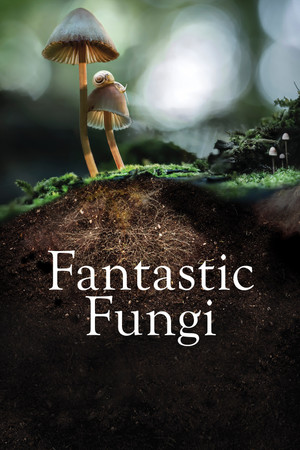
A vivid journey into the mysterious subterranean world of mycelium and its fruit— the mushroom. A story that begins 3.5 billion years ago, fungi makes the soil that supports life, connecting vast systems of roots from plants and trees all over the planet, like an underground Internet. Through the eyes of renowned mycologist Paul Stamets, professor of forest ecology Suzanne Simard, best selling author Michael Pollan, food naturalist Eugenia Bone and others, we experience the power, beauty and complexity of the fungi kingdom.
A young couple battle entrenched tradition and hostile forces to bet on nature for the future of their failing, four-hundred-year-old estate. Ripping down the fences, they set the land back to the wild and entrust its recovery to a motley mix of animals both tame and wild, beginning a grand experiment.
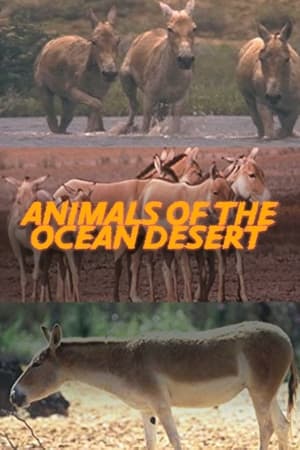
For two-thirds of the year, the Little Rann is a desert. Suddenly, in August, monsoon winds whip up the Arabian Sea and carry it 100 km inland. The desert and these mounds soon become islands and homes to high concentrations of rarely-seen, endangered and spectacular wildlife.
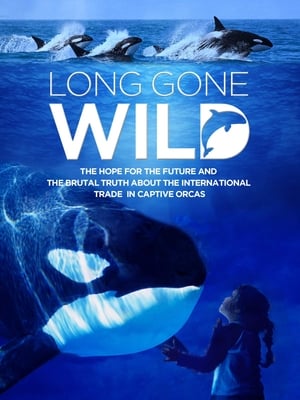
Long Gone Wild focuses on the plight of captive orcas, picking up where the acclaimed documentary Blackfish left off while telling a uniquely new and different story...
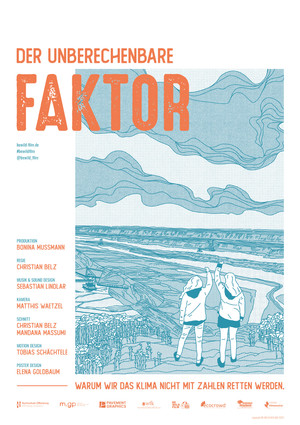
In today's climate debate, there is only one factor that cannot be calculated in climate models - humans. How can we nevertheless understand our role in the climate system and manage the crisis? Climate change is a complex global problem. Increasingly extreme weather events, rising sea levels, and more difficult living conditions - including for us humans - are already the order of the day. Global society has never faced such a complex challenge. For young people in particular, the frightening climate scenarios will be a reality in the future. For the global south, it is already today. To overcome this crisis, different perspectives are needed. "THE UNPREDICTABLE FACTOR" goes back to the origins of the German environmental movement, accompanies today's activists in the Rhineland in their fight against the coal industry and gives a voice to scientists from climate research, ethnology and psychology.
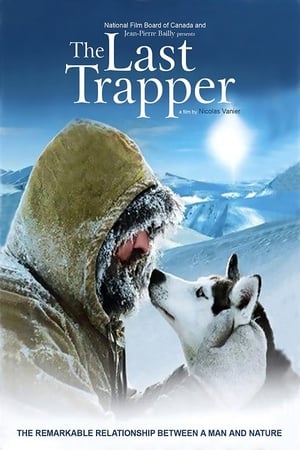
Norman is not just an admirer of nature, he's a part of it. He survives the harshness of the climate and the wildlife by coexisting with it. With his wife Nebraska, they live almost entirely off the land, making money by selling their furs.
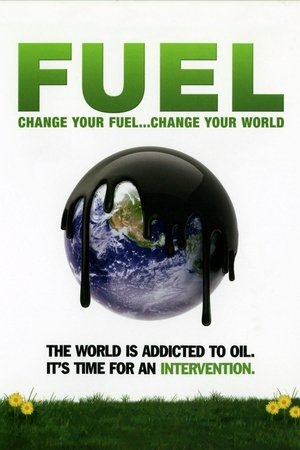
Record high oil prices, global warming, and an insatiable demand for energy: these issues define our generation. The film exposes shocking connections between the auto industry, the oil industry, and the government, while exploring alternative energies such as solar, wind, electricity, and non-food-based biofuels.
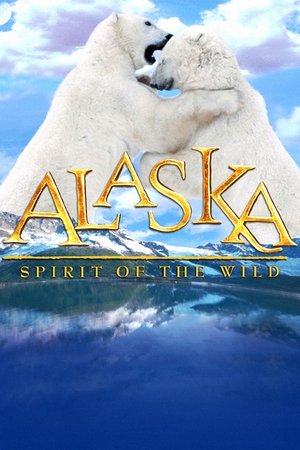
Alaska... Here, in this vast and spectacularly beautiful land teeming with abundant wildlife, discover the "Spirit of the Wild." Experience it in the explosive calving of glaciers, the celestial fires of the Aurora Borealis. Witness it in the thundering stampede of caribou, the beauty of the polar bear and the stealthful, deadly hunt of the wolf pack.
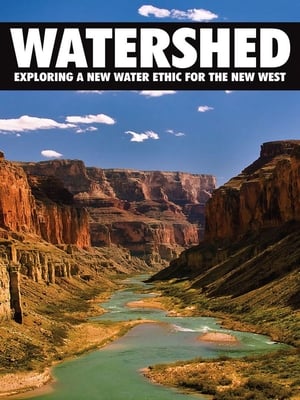
As the most dammed, dibbed, and diverted river in the world struggles to support thirty million people and the peace-keeping agreement known as the Colorado River Pact reaches its limits, WATERSHED introduces hope. Can we meet the needs of a growing population in the face of rising temperatures and lower rainfall in an already arid land? Can we find harmony amongst the competing interests of cities, agriculture, industry, recreation, wildlife, and indigenous communities with rights to the water? Sweeping through seven U.S. and two Mexican states, the Colorado River is a lifeline to expanding populations and booming urban centers that demand water for drinking, sanitation and energy generation. And with 70% of the rivers’ water supporting agriculture, the river already runs dry before it reaches its natural end at the Gulf of California. Unless action is taken, the river will continue its retreat – a potentially catastrophic scenario for the millions who depend on it.
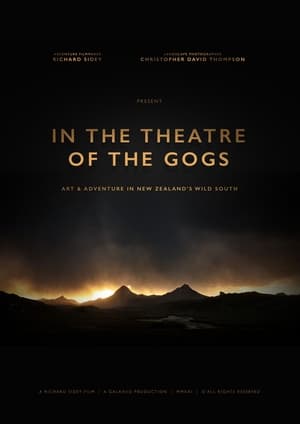
A contemplation of art and adventure in the southern wilds of New Zealand by both a landscape photographer and an adventure filmmaker. This film is the unexpected result of their two unique perspectives.
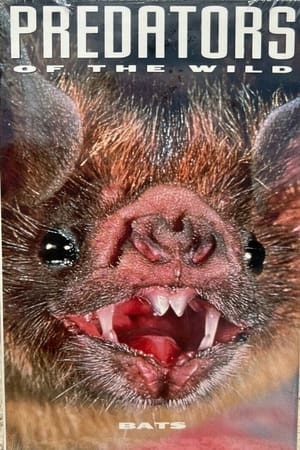
Fascinating footage of swooping bats, their remarkable habits and habitats, and close-up looks at their interesting yet eerie faces are featured in this documentary, volume seven of the Predators of the Wild series. Most bats eat insects, which may not always come to mind when one thinks of predators and prey -- although the fact that a swarm of bats can eat 30,000 pounds of insects in one night is staggering. Bats make up almost one-fourth of all of the mammals in the world, but only three species of bats are "true vampires" who rely on the blood of other animals for sustenance.
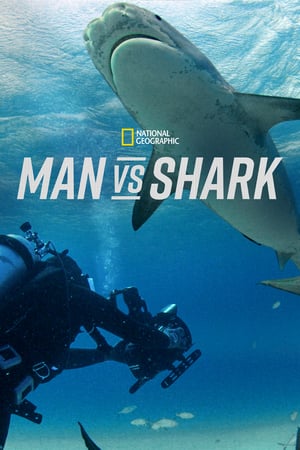
40 years after inventing armored suits that protect divers from attacks by smaller shark species of sharks, marine biologist, Jeremiah Sullivan, faces off against hungry hammerheads and deadly tiger sharks to measure their bite force, body strength and ability to chew through his advanced materials before creating new armor he’ll test by putting himself inside the devastating jaws of a 14-foot tiger shark.
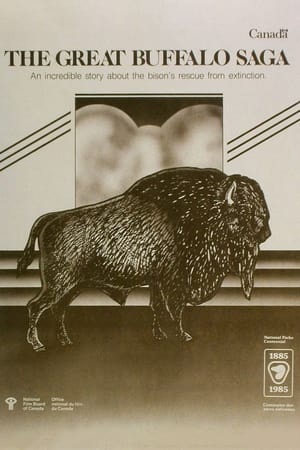
By the late 1800s the free-ranging buffalo of the western plains of North America were almost extinct. This documentary is the story of the buffalo's revival. Live action, eye-witness accounts and archival photos document our fascination with this ancient and legendary animal.