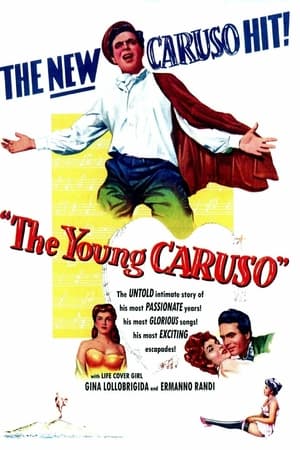
This music filled biopic follows the life of the legendary tenor Enrico Caruso from childhood poverty in Naples to the beginning of his rise to fame.
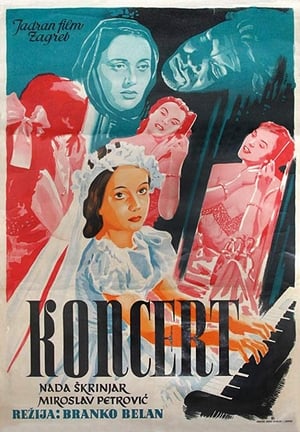
Celebrating the end of World War II and liberation of their city, a group of students is set on holding a cultural evening. They invite Ema, a reclusive piano teacher from the same building, to play for them. Ema declines, but starts reminscing back on her own life and the historical events that have seemingly overshadowed it.
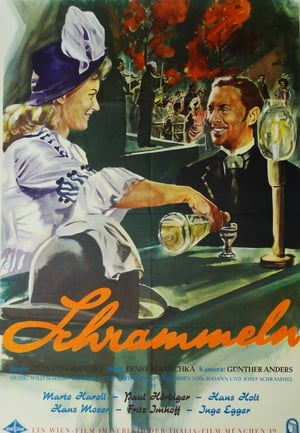
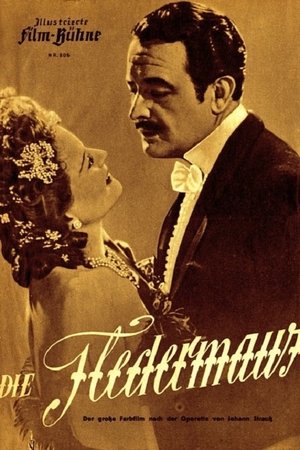
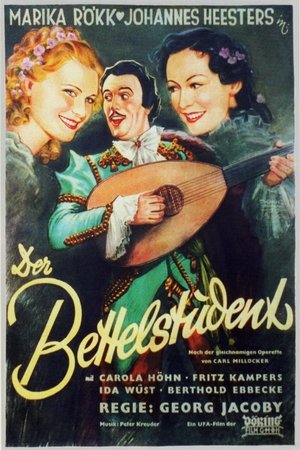
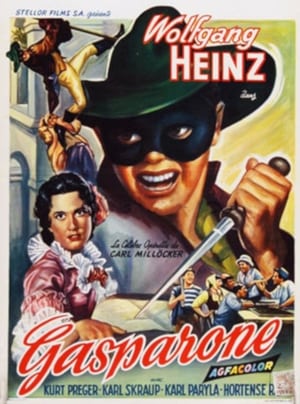
Based on the operetta of the same name by Carl Milöcker. The residents of an Austrian town decide to teach their eccentric mayor a lesson. A young fisherman dresses up as the famous bandit Gaspare and goes to see the mayor. The mayor, terrified, flees from "Gaspare" and commits a series of ridiculous acts, becoming the laughing stock of the whole town.
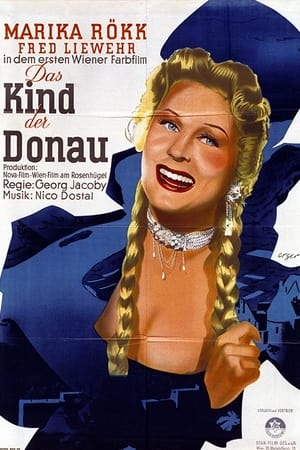
Marika is a cheerful girl who lives on the Danube aboard an old barge she inherited from her father. She works as a waitress in her aunt's inn, entertaining the guests with singing and dancing. Her greatest dream is to save enough money to repair the old barge and sail down the Danube. One day, she meets three young artists, Georg, Oskar, and Christoph, who all fall in love with her. Together, they put on an open-air revue and raise the necessary money. And with Georg, Marika is lucky in love.
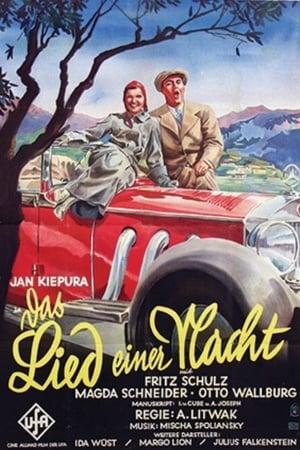
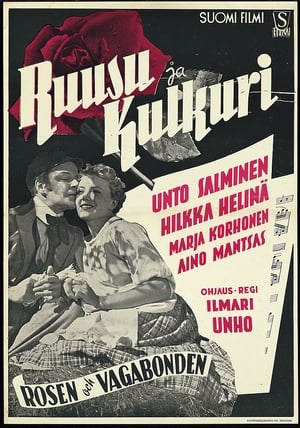
The story of Finnish singer Abraham 'Aappo' Ojanperä, who was born in the late 1850s. On his journey from a crier boy from Liminga to an international singing star, Aappo never forgets his first love Katri, who faithfully waits in Liminga for his return.
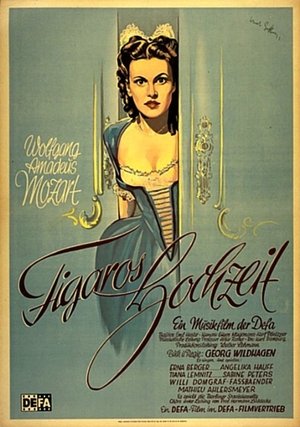
Shortly after WWII, the DEFA Studios produced a series of operas and operettas which belonged to the classical German musical heritage. This enchanting film, the very first opera production of DEFA, stands out because of its lavish decor and costumes, its outstanding actors and their masterful voices of that time.
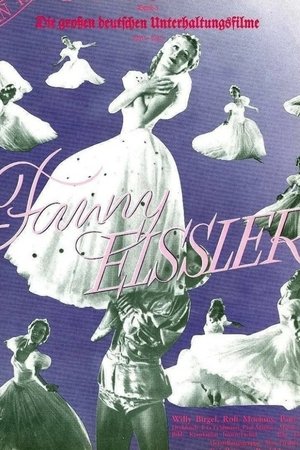
The young ice skating talent, Liesl, lands a part in a new Revue at the Palast Theatre simply because she is confused with someone else. In reality, the roll was to be awarded to Lu Panther, the untalented girlfriend of the theatre's owner, Wildner. After a series of accidents and little disasters, Wildner shuts down the theatre before the Revue can take place. But the Revue's director, Ernst Eder, decides shortly thereafter to present the Revue on an ice skating rink belonging to Liesl's uncle. After a successful run, at first at the Wiener Prater, the performers move on to Spain, Hungary, and a night club with a Jazz orchestra. The Revue becomes a huge success ... and, of course, Ernst and Liesl end up together, too.
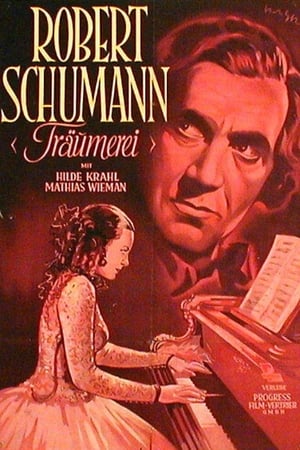
A musical film based on biographical facts about Clara Wieck's love for composer Robert Schumann (1810-1856), her marriage against her will, Schumann's triumph, and his tragic end due to mental illness. The film is beautiful and entertaining, full of noble spirit and beautiful words about art and love, which only conflict in a theoretical context; not least thanks to its solid cast, this film is quite serious and far from kitsch. Completed in 1944, during World War II, the film was rejected by the Nazi leadership, but was eventually released and enjoyed success with an audience already weary of war.
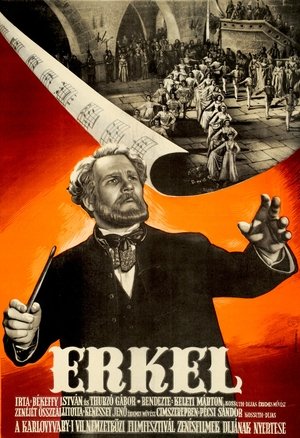
We have linguists, we have literary men, we have newspapers, actors, musicians, but we have no national opera!", lamented the champions of national revival in the middle of the last century. Hungarian music culture at home is limited to the performance of works by foreign composers. And the public demands Hungarian opera, and such a challenge is not easy to meet. So let's see who is up to the task!
Sándor Barinkay joins the gypsies en route to his home village hiding his real identity as an Hungarian nobleman, whose parents were sent to exile. He claims his former properties, now taken by a pig merchant who plays the fool to the villagers' delight. Yet this man has an interesting daughter, and there's also the beautiful gypsy Saffi to consider. And a family hidden treasure to be found.
The two pigs building houses of hay and sticks scoff at their brother, building the brick house. But when the wolf comes around and blows their houses down (after trickery like dressing as a foundling sheep fails), they run to their brother's house. And throughout, they sing the classic song, "Who's Afraid of the Big Bad Wolf?".
Don Juan arrives in a Spanish town and immediately becomes embroiled in amorous adventures. While looking for love affairs, he meets the beautiful Donna Anna, the commander's daughter, who mistakes the masked cavalier for Don Octavio because of his height and clothing.
When Phil Corey's band arrives at the Idaho ski resort its pianist Ted Scott is smitten with a Norwegian refugee he has sponsored, Karen Benson. When soloist Vivian Dawn quits, Karen stages an ice show as a substitute.
An aging opera singer looks back on her long life, including her relationships with her vocal teacher and a student.
Nina Maria Azara is the beautiful and alluring singing spy for Spain during the Napoleonic Wars. Her mission is to seduce French officers, in order for them to reveal Napoleon's intentions toward Spain. She is sent to Bayonne, France to gather military secrets. Prior to this, she meets Don Diego while performing at a club. Unknown to her, Don Diego is actually Captain Andre, who is sent to Spain to spy on her. While in France, Nina discovers Diego's true identity, only after she has fallen in love with him. Nina Maria outwits her potential captors, returns to Spain and goes into hiding. Napoleon's troops invade Spain, resulting in Nina's capture. In a strange twist of fate, Nina and Captain Andre are reunited, but the 2 nations are now at war...
An incognito opera singer falls for a policeman who has been assigned to track down her fugitive brother.
In order to avoid a prearranged marriage, a rebellious French princess sheds her identity and escapes to colonial New Orleans, where she finds an unlikely true love.
A kind-hearted young man is thrown out of his corrupt home town of West Rome, Oklahoma. He falls asleep and dreams that he is back in the days of olden Rome, where he gets mixed up with court intrigue and a murder plot against the Emperor.
Aspiring singer Ann Carter visits her stepbrother in New York, hoping to make it on Broadway.
Italian filmmaker Carmine Gallone was still in his "operetta" mode when he helmed 1938's Il Sogno di Butterfly (Dream of the Butterfly) Maria Cebotari plays opera diva Rosa Belloni, currently starring in a production of Puccini's Madama Butterfly. The plot thickens when Rosa's backstage life begins to mirror the travails of the character she is portraying. The climax comes when Harry Peters (Fosco Giachetti), the American father of Rosa's illegitimate child, returns after four years with his new wife in tow, leading inexorably to a doleful ending both on- and offstage. Critics complained about the substandard photography in Il Sogno di Butterfly, but this might have been due to poor laboratory work.