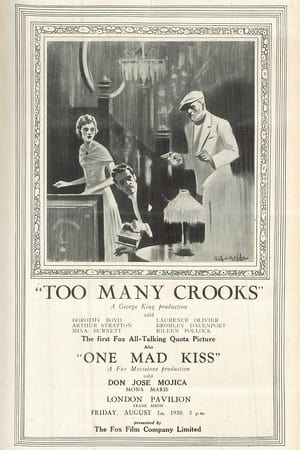
A man tries to burgle his own safe on the same night that a professional criminal attempts it.
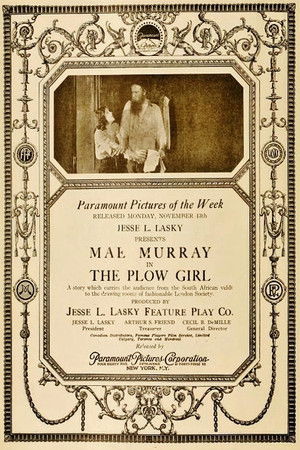
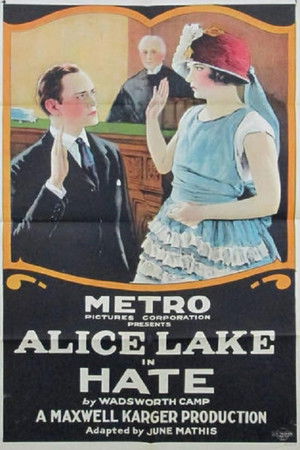
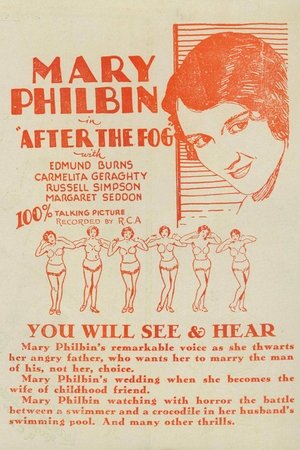
A young woman marries a man she detests in order to save her father from a murder charge.
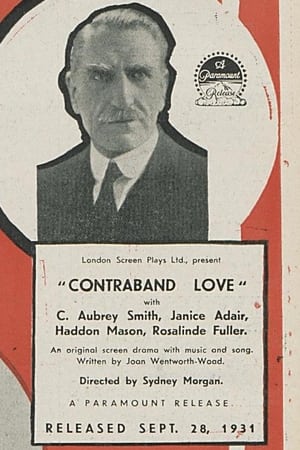
JP Paul Machin poses as a fugitive along the Cornish coast to gain the trust of a local smuggling ring. As he integrates into their world, he works to identify the leader and bring the group to justice.
Hugh Whittaker believes he is terminally ill, and, as an act of mercy, weds a young woman named Mary, who has been deserted by her lover. He travels to Europe, recovers his health, and returns to New York City, where he meets and falls in love with musical star Sara Law, unaware that she is actually his wife. Sara is abducted by kidnappers and Hugh undertakes a harrowing rescue before discovering her true identity.
Claire, the wife of a bank teller, has a liason with a mysterious stranger while her husband is away.
Lebenswogen
Lord Percy hires attorney John Stoddard to find the missing Brentwood heiress. Failing his mission, John rescues an orphan named Margot and passes her off as the lost granddaughter. As guilt drives them to confess, Margot’s former abuser arrives and reveals a shocking truth: he killed her parents, making Margot the real, legitimate heir.
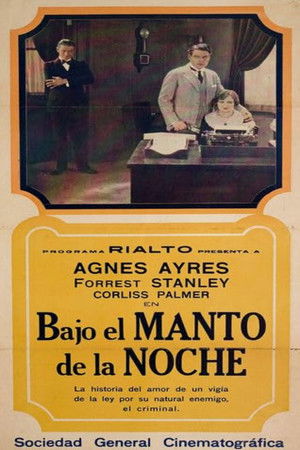
Into the Night is a 1928 American silent crime film directed by Duke Worne.
Based on the real-life lawsuit of journalist Quentin Reynolds against columnist Westbrook Pegler, portraying the courtroom battle where Reynolds sues Pegler for calling him a communist; stars Van Heflin as the lawyer and Jose Ferrer as the bigoted columnist, dramatizing how they slowly trap the writer in his own lies, ultimately leading to a win for Reynolds and highlighting McCarthy-era politics, with the story adapted from Louis Nizer's book My Life in Court.
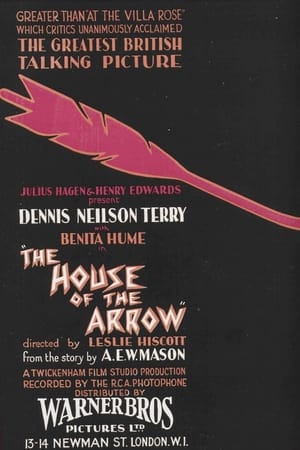
In Dijon, Inspector Hanaud investigates Betty Harlowe after her uncle, Boris Waberski, accuses her of poisoning her wealthy aunt for an inheritance. While an initial autopsy finds nothing, Hanaud discovers the use of Strophanthus Hispidus—a rare, undetectable poison applied via an antique arrow. Amidst a flurry of "poison pen" letters and deception, Hanaud proves the murder occurred despite the lack of conventional medical evidence.
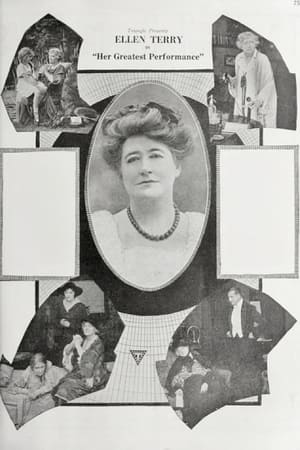
Retired actress poses as dresser to scare murderer into confessing and clearing her son.
Gamblers Dave Hume and Ed Felton are rivals for the love of Babe Lennox, a chorus girl. Hume informs on Felton, and though the latter is arrested he is released on bail, and Talbot, the attorney, warns Hume to stay clear of him. Hume, who is in ill health, determines to commit suicide, making it appear that Felton killed him; and (concealing a record of his plans on a small statuette) he makes a wager with Felton that he can do so.
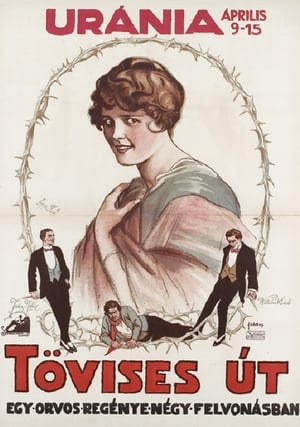
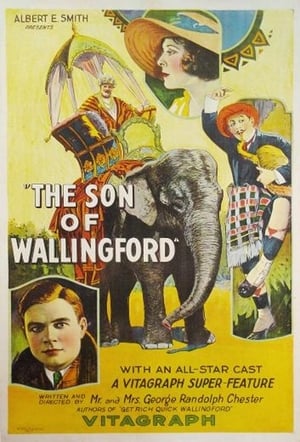
A young man's journey into adulthood, love, and ambition, inspired by a serial by George Randolph Chester exploring themes of love, ambition, and self-discovery, set against the backdrop of the Roaring Twenties.
A boxer saves a girl from a noble kidnapper.
A $5,000 wager is made between two prominent jewelers, Mr. Thorpe and Mr. Chandler, as to whether their most valuable jewels can be stolen. Thorpe, seeking to stack the odds in his favor, asks Police Commissioner James Stone, a business crony, to enlist the help of Diamond Daisy, a jewel thief who is trying to go straight. Posing as a rich heiress, she asks Mr. Thorpe to accompany her to show her father an expensive item of jewelry. Instead, Mr. Thorpe is detained in an insane asylum by a doctor who has been led to believe that Thorpe is Daisy's insane husband. Daisy absconds with the jewels, but a vindictive detective, who has been following Daisy, thinks the heist is for real and tries to arrest her. Eventually the commissioner intervenes and all ends well.
Broadway star Mona Mainard retires from the stage for marriage to rising attorney John Norton and watches his career climb. Over time she becomes concerned with his at times unscrupulous ways of getting convictions. When her brother is accused of murder Norton refuses to give up the case despite being aware of his innocence because a victory could land him the governorship. Mona takes extreme steps to bring him to his senses and exonerate her brother.
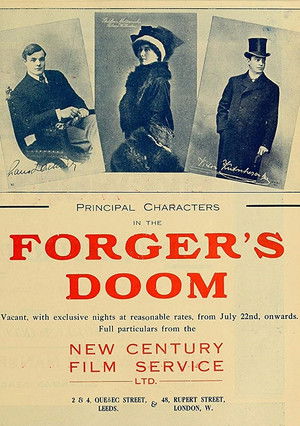
When Mamie Lee's father, Sam Corwin, is sentenced to jail for forgery, the sheriff, Ed Cass, offers to cover the debt in return for Mamie Lee's hand in marriage. The distraught daughter agrees, and Cass robs the saloon to obtain the money, placing the blame on Jim Kane, his rival for Mamie's affections. Jim is sent to jail an embittered man.
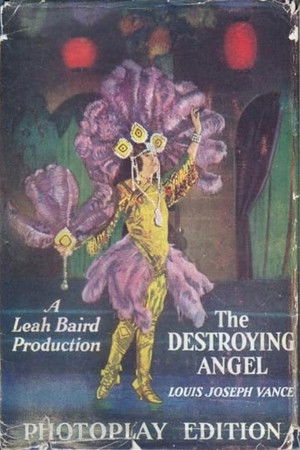
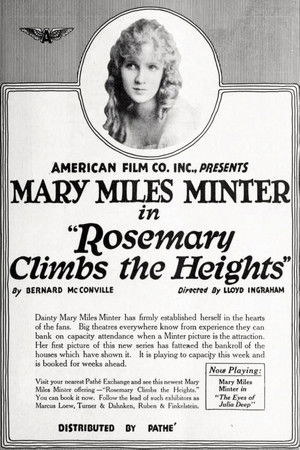
Rosemary van Voort lives in the countryside with her elderly Dutch parents. The wooden dolls she carves so beautifully catch the eye of a group of artists who are having a picnic in the area. Among them is aspiring opera singer Ricardo Fitzmaurice. Rosemary is convinced to move to New York City where she becomes wildly successful, but when the temperamental Madame Fedoreska, who is in love with Ricardo, becomes insanely jealous of his growing affection for Rosemary she threatens to kill her. When Madame turns up shot to death, the police look at Rosemary as a suspect--and even worse, she has no alibi.
Millionaire Joshua Barker insists that his daughter, Faith, must marry Phil Langhorne, a man that neither likes, and Faith is in love with and eager to marry her childhood sweetheart, John Temple.
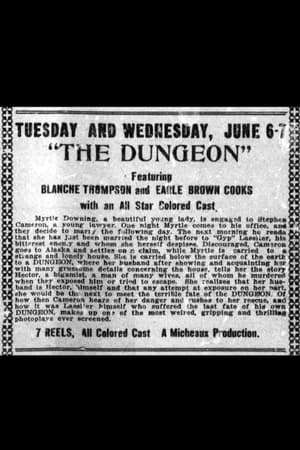
Myrtle Downing, an African-American woman, is coerced into marrying a corrupt would-be politician named Gyp Lassiter, even though she is really in love with Stephen Cameron, a young lawyer. When she discovers that her husband has conspired to support segregationist policies in exchange for support by white political power brokers, she objects to his crooked dealings and gets herself imprisoned in a secret dungeon where her husband had murdered his previous wives. Presumed to be a lost film.