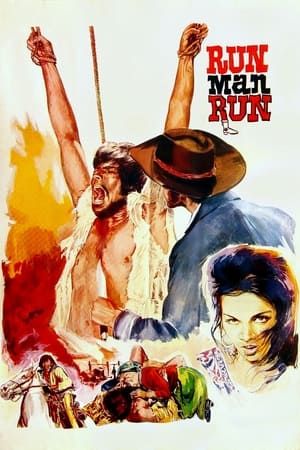
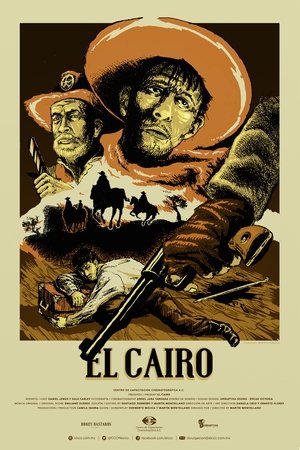
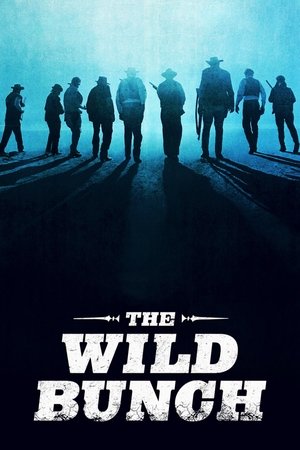
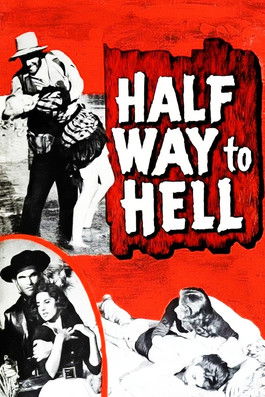
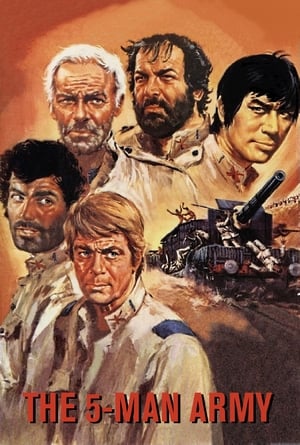
The legendary Tomas Milian stars as Cuchillo, a knife-throwing thief on the run from murderous bandits, sadistic American agents, his hot-blooded fiancée and a sheriff turned bounty hunter, all of whom are gunning for a hidden fortune in gold that could finance the Mexican Revolution.
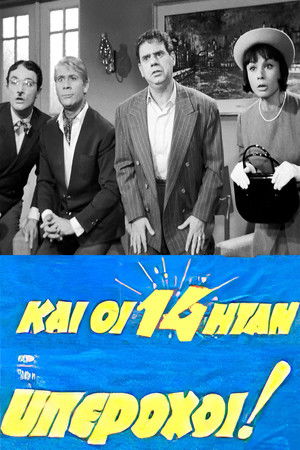
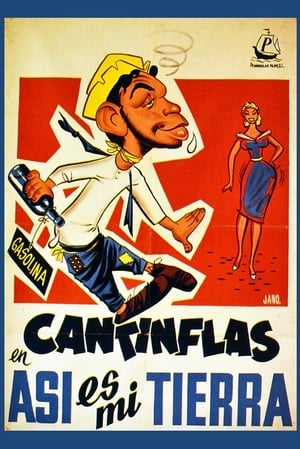
Four cousins inherit a rich uncle. In order to do this, however, they must first fulfill the terms that each uncle has laid down in his covenant.
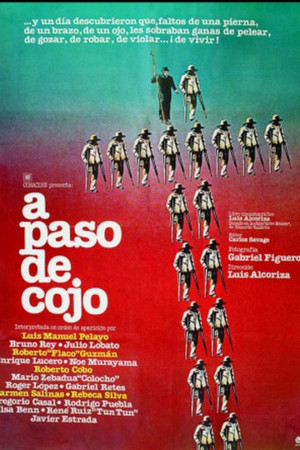
Ragtag crew of indigents from an asylum for the handicapped form a squadron to defend the Church during the Cristero Uprising.
With revolutionary Mexico as a backdrop, a successful local rancher returns triumphant from the war to the praise of townsfolk, and "El General" is ready to take a wife. However the senorita of choice already has fallen for a secret admirer, and a boyhood rival who is threatened by the General's popularity in turn plots against his life.
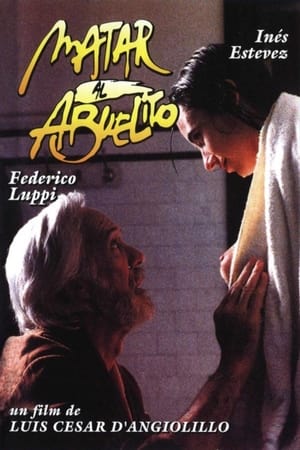
Killing Grandpa
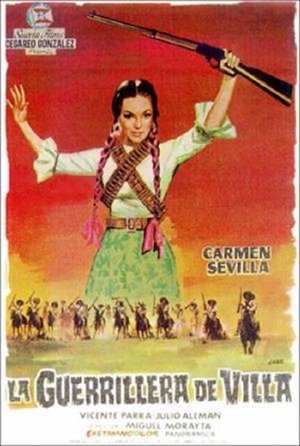
Reyes Mendoza (Carmen Sevilla) is a Spanish artist who arrives in Mexico in 1913 and finds herself involved in the Pancho Villa (Jose Elias Moreno) revolution.
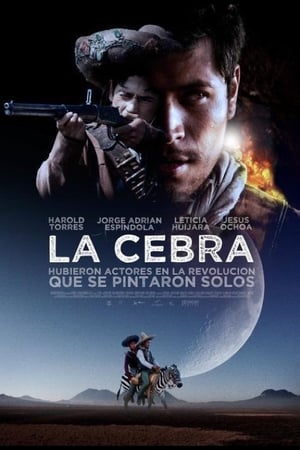
During the Mexican Revolution, Leandro and Odón, two war vultures, find a zebra. They mistakenly believe this to be an American horse and thus begin a journey in search of General Obregón, who they assume, will appoint them as colonels given their peculiar beast of burden. They partake in several adventures during their journey.
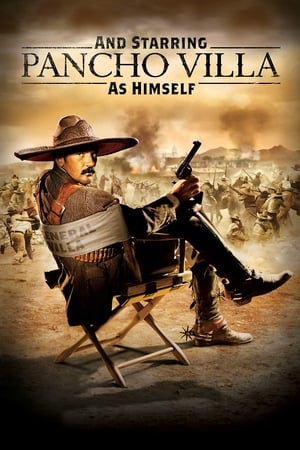
In 1914, the Mexican revolutionary Pancho Villa invites studios to shoot his actual battles against Porfírio Diaz army to raise funds for financing guns and ammunition. The Mutual Film Corporation, through producer D.W. Griffith, interests for the proposition and sends the filmmaker Frank Thayer to negotiate a contract with Pancho Villa himself.
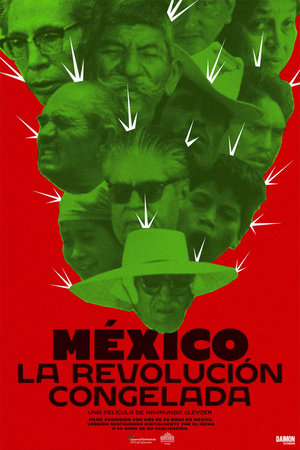
A thorough analysis of the socio-politics of Mexico, within the historical context of the Mexican Revolution reality. Includes footage from the 1910s, interviews with farmers, politicians, intellectuals, middle class, union, etc, as well as scenes from the life of an Indian family in Chiapas, their religious rituals, their crops, trials and bilingual schools. The film ends with the slaughter in the Plaza de Tlatelolco in 1968, during the infamous Olympics.
Tita is passionately in love with Pedro, but her controlling mother forbids her from marrying him. When Pedro marries her sister, Tita throws herself into her cooking and discovers she can transfer her emotions through the food she prepares, infecting all who eat it with her intense heartbreak.
Mexico 1926. Durazo is an outlaw and a former revolutionary. He is getting at the end of the quest for a coveted treasure. His mission will be interrupted by an unexpected meeting, which will define his life.
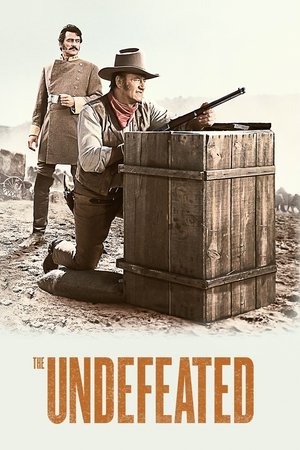
After the Civil War, ex-Union Colonel John Henry Thomas and ex-Confederate Colonel James Langdon are leading two disparate groups of people through strife-torn Mexico. John Henry and company are bringing horses to the unpopular Mexican government for $35 a head while Langdon is leading a contingent of displaced southerners, who are looking for a new life in Mexico after losing their property to carpetbaggers. The two men are eventually forced to mend their differences in order to fight off both bandits and revolutionaries, as they try to lead their friends and kin to safety.
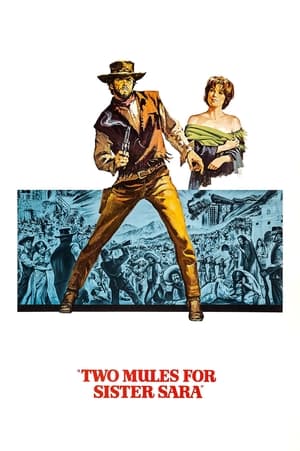
When a wandering mercenary named Hogan rescues a nun called Sister Sara from the unwanted attentions of a band of rogues on the Mexican plains, he has no idea what he has let himself in for. Their chance encounter results in the blowing up of a train and a French garrison, as well as igniting a spark between them that survives a shocking discovery.
Tita, who lives on a ranch in Mexico, falls in love with a boy, Pedro, who lives nearby; but when they want to get married, Tita's family prevents it, because she must remain single to take care of her mother.
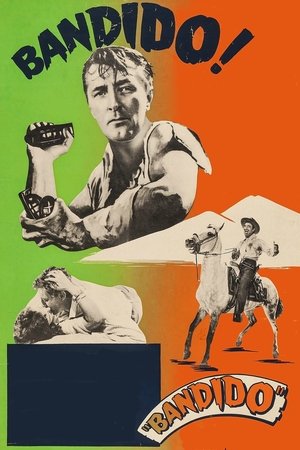
A cowboy drifting around the border gets mixed up with Mexican revolutionary gun smuggling when he becomes friends and rivals with the chief smuggler.
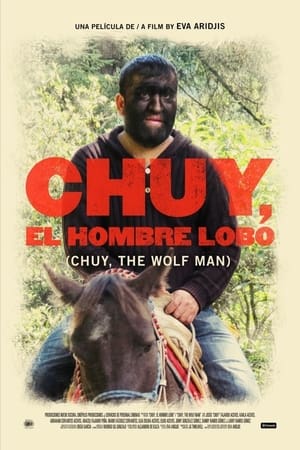
Jesus 'Chuy' Aceves and a dozen living members of his extended family suffer from the very rare condition of congenital hypertrichosis, meaning they were born with excessive hair on their faces and bodies. Due to their appearance, they suffer from discrimination in all areas of their lives: the children are made fun of at school and abandoned by their 'non-hairy' parents, and the adults cannot find work unless they choose to exhibit themselves as freaks in circuses. This moving and visually arresting documentary is a portrait of Chuy and his family members. It examines their day-to-day lives and their struggle to find love, acceptance and employment.
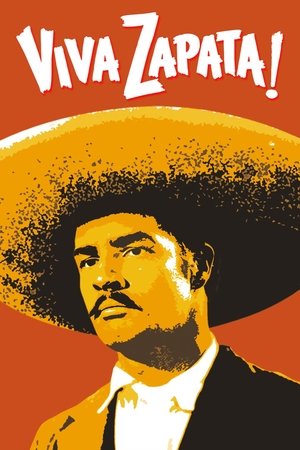
The story of Mexican revolutionary Emiliano Zapata, who led a rebellion against the corrupt, oppressive dictatorship of president Porfirio Díaz in the early 20th century.
A story about two men caught in the Mexican revolution: close friends before, but now on the opposite sides. One of them is military officer, while the other one expects capital punishment. The prisoner's mother comes to visit his son, unaware that his former best friend is now his enemy.
El Chuncho's bandits rob arms from a train, intending to sell the weapons to Elias' revolutionaries. They are helped by one of the passengers, Bill Tate, and allow him to join them, unware of his true intentions.
Directed by Mexican choreographer-director Camila Arroyo, and created in collaboration with designer Sabrina Olivera, “Soldaderas” is a contemporary interpretation of the figure of the Soldadera, known as the women fighters of the Mexican revolution. The choreographic portrait follows a young woman as she dances her way through Mexico City, capturing her twists and turns as well as the different self-fashioning rituals that accompany her. The film is also a moving archive of Olivera’s first collection, created in honor of the Soldaderas, for her upcoming brand Sabrina Ol. The movement in the film plays with the idea of the word soldar, translated in English as to weld. Centering this action, the choreographic language plays with the actions of melting, and rebuilding, braiding and forging as a backbone to how the protagonist moves around the city. As we watch the film, we play dress up with the dancer and sink into our bodies, allowing her movements to travel through us.