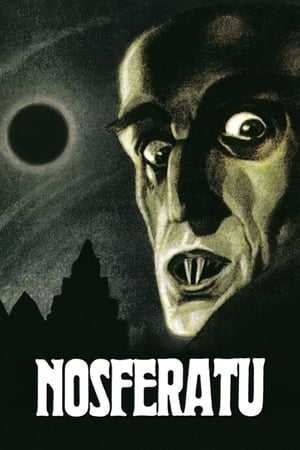
The mysterious Count Orlok summons a happily married real estate agent to his castle, located up in the Transylvanian mountains, to finalise a terrifying deal.
Fairground boxing booth where visitors try to knock out the champion and win five pounds, the first contestants is knocked out but the very eager (and possibly drunk) third man knocks out the champion and overcome with "boxing fever" rushes out punching at everybody and everything he meets. (britishpathe.com)
Each time Mrs Babylas sees an animal, she just can't help herself bring it back home.
A bumbling tramp desires to build a home with a young woman, yet is thwarted time and time again by his lack of experience and habit of being in the wrong place at the wrong time...
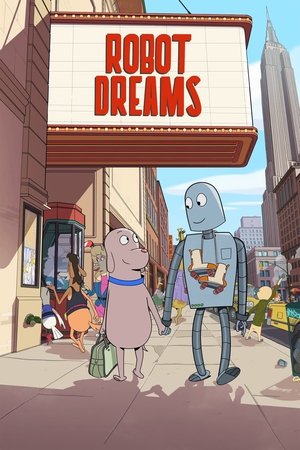
A lonely dog's friendship with his robot companion takes a sad turn when an unexpected malfunction forces him to abandon Robot at the beach. Will Dog ever meet Robot again?
A film crew is shooting a movie about guns and robbers, when real robbers turn up. Having to go home in robbers costume, they are mistakingly accused of a robbery. One of the earliest films portraying bisexual characters.
Afif is fired from his job and his home at the movie theater. He looks for a place to sleep but little does he know that he will walk the steps of glory.
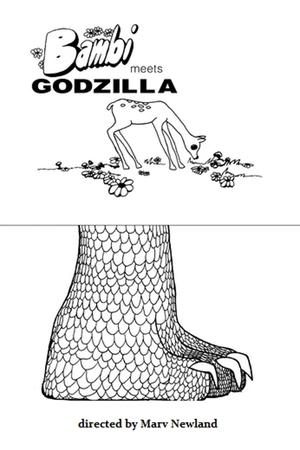
A deer, disillusioned by the consumerism that defines his life. A lizard, ostracized from society, forever wandering. A chance meeting in the middle of a field. Who will survive? And who will transcend existence? Preserved by the Academy Film Archive in 2009.
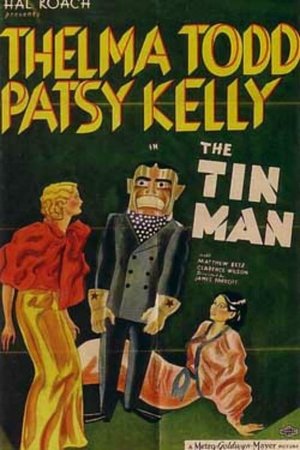
Thelma and Patsy find themselves in a spooky house inhabited by a nut who is a mechanical genius and has made a robot who does everything. The inventor manipulates the robot's control board from a hidden room. The girls are soon in a panic. Patsy gets into an argument with the robot and loses the match of wits. Blackie Burke, an escaped convict, is using the house as a hideout, and this adds to the problems the girls already have.
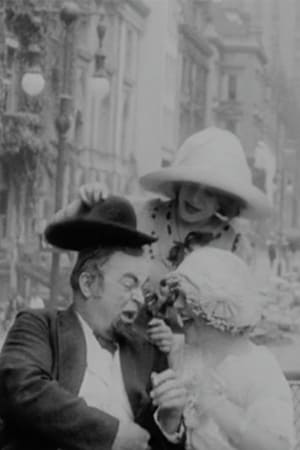
Josh doesn't like the way things go at home and decides to quit and get out. Later, his wife gets what purports to be his farewell letter, which is intended to lead her to believe he has committed suicide. He, however, goes to New York to have a good time, and he does, "by gosh." The wife, believing herself a widow, makes a trip to New York with her admirer. Well, you may guess the rest.
When Pat and Patachon arrive in the small fishing village at the North Sea they are completely unaware of the adventure that lies ahead. The two eccentric travelers quickly become good friends with old Maren and her son Tom, who will soon need their help in more than one respect. (stumfilm.dk)
One of the two earliest horror films ever made. This film is presumed lost. In this black comedy scene, the bottom falls out of a coffin, the corpse tumble out, and is jolted back to life. Short sequences like this, as well as street scenes and dancing geisha girls were the main subjects of early Nippon cinema, pioneered by Shiro Asano and Shibata Tsunekichi from 1897 onwards. In creating dramatic, scenes, film-makers naturally chose the most striking or bizarre. Another undocumented film, recalled by cameraman Shiro Asano.
A tramp tries to earn money by playing the violin, but he’s soon facing off against the jealous competition.
An erotic horror film about a boy who sleeps naked on a hot summer night and suddenly discovers that he's not alone.
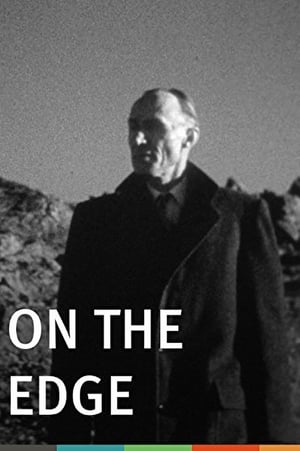
In this fragile yet frightening poetic fantasy set against a dark industrial landscape, a woman sits knitting on the porch of her home when a man appears and takes the knitting from her.
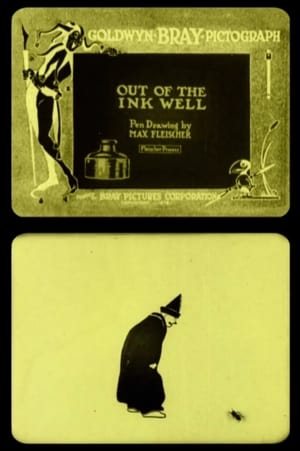
Max Fleischer draws the upper and lower halves of the Clown's body, which dance around separately before coming together. Max interacts with his creation before ultimately washing the Clown off the page with water.
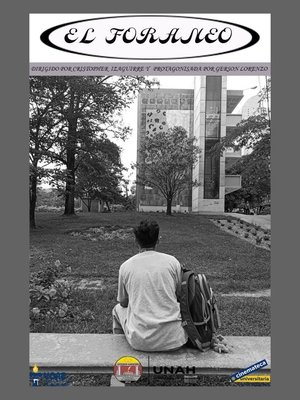
El foráneo
Foráneo: Puertas a lo desconocido
A reel of the Noh drama Momiji-gari, in which Danjuro Ichikawa played opposite Onoe Kikugoro V as an ogress who has disguised herself as the Princess Sarashina. Filmed by Shibata Tsunekichi in the open air on a windy day in November 1899, Danjuro would allow only the one take, so that when his fan blew away in mid-performance the scene had to stay. The film re-emerged at the Kikikan theatre in 1907 where it was a great success and inspired a wave of fiction filmmaking based on traditional Japanese narratives.
The Balancing Act