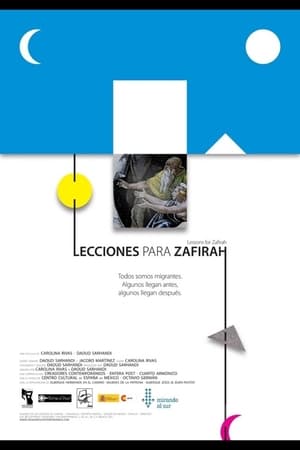
A metaphor of the Flood in our times, The Flood is the rain of violence that washes over us. Noah´s Ark is the train that runs through Mexico toward the United States and migrants are the species attempting to save their lives. For the directors, cinema moves people not just by condemnation, but by confronting and fostering emotions which lead to new, constructive ideas. This documentary became a cinematographic diary for their first viewer, their three-year-old daughter, Zafirah.
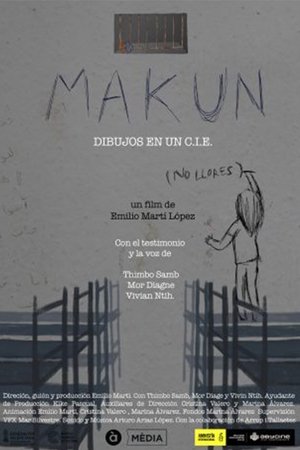
Makun (no llores) - Dibujos en un CIE
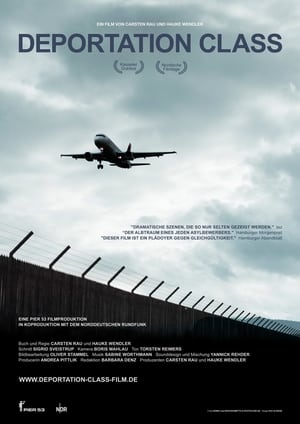
Documentary about a "transportation commando" in Germany with the goal to deport 200 people to Albania...
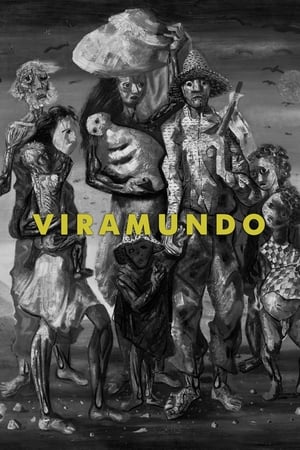
Viramundo shows the saga of the northeastern migrants that arrive in São Paulo, beginning with a train arriving and ending with a train leaving São Paulo in a cycle repeated every day. Viramundo's aim was to question why the military coup d'état in Brazil happened without any popular resistance or revolution or reaction of the society.
The protagonists of this docudrama are old farmers who migrated to Banat after the First World War, in 1922. The film is focused on a couple of important events in their impressive lives, which are woven into lively scenes and stories full of wise instances. Their statements become spontaneous recounts of the lives of people in this region.
This anthology film, whose Chinese title begins with a romantic name for human excrement, premiered internationally at Rotterdam and won Best Screenplay from the Hong Kong Film Critics Society. A variety of Hong Kong people wrestle with nostalgia when facing an uncertain future. Their stories give way to a documentary featuring a young barista turned political candidate.
Talking About Visibility
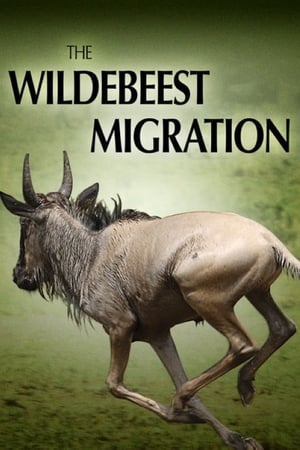
Every year, on the steppes of the Serengeti, the most spectacular migration of animals on our planet: Around two million wildebeest, Burchell's zebra and Thomson's gazelles begin their tour of nearly 2,000 miles across the almost treeless savannah. For the first time, a documentary captures stunning footage in the midst of this demanding journey. The documentary starts at the beginning of the year, when more than two million animals gather in the shadow of the volcanoes on the southern edge of the Serengeti in order to birth their offspring. In just two weeks, the animal herd's population has increased by one third, and after only two days, the calves can already run as fast as the adults The young wildebeest in this phase of their life are the most vulnerable to attacks by lions, cheetahs, leopards or hyenas. The film then follows the survivors of these attacks through the next three months on their incredible journey, a trip so long that 200,000 wildebeest will not reach the end.
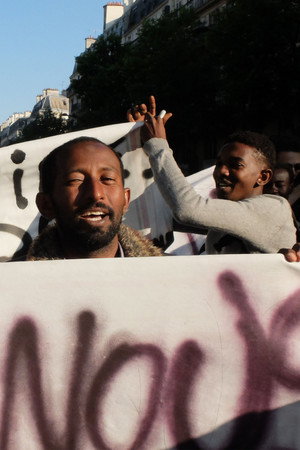
La Chapelle neighbourhood, Paris. Hundreds of exiled people from East Africa survive on the streets, chased violently by the police, yet seeking to defend their rights as asylum seekers. Some months later, having finally obtained their rightful housing, two Sudanese young men return to the sites where they first landed and talk about their arrival in Paris during this agitation.
As Jahayra writes letters to her mother, her words trace a journey from Ecuador to London, unfolding a tender portrait of love, sacrifice, and resilience, in the search for a better life for her children.
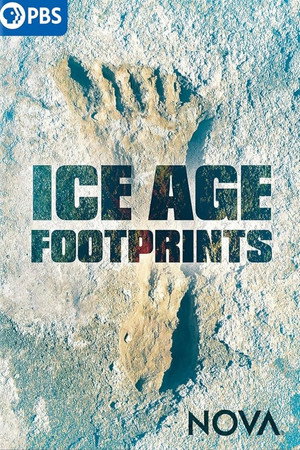
Thousands of footprints stretch for miles across New Mexico’s White Sands National Park, capturing moments when Ice Age humans encountered now-extinct beasts, including enormous ground sloths and mammoths. What can these footprints reveal about the peopling of the Americas and what life was like at the end of the last Ice Age?
A family history archive as told by matriarch Azalu Mekonnen and her granddaughter Samira Hooks.
Forastero
Found footage: California in the 1950's and 60's. A young Indian couple enjoys their personal American dream come true in their home somewhere in the suburbs of San Francisco. In great detail they pose with their newly achieved wealth in front of their Super-8 camera. Just like postcards, they would send these film rolls to their joint families back in India. Around the same time, an American missionary couple visits the city of Calcutta to shoot a Christian propaganda film. The drastic reality with poverty and famine in the streets of the Indian metropolis fits perfectly into their wicked plan: To promote the faith in Jesus by showing the misery that pagan believers are doomed to suffer from.
In the midst of economic prosperity, when Venezuela welcomed millions of migrants, this documentary narrates different realities of the country.
In the mountains of Colombia's Coffee Triangle, a family faces the shadow of armed conflict. Years later, a son reconstructs the inherited fear, amidst echoes of the past and invisible scars. A sensory journey into memory, where the unspoken still resonates.
This intimate letter from a migrant grandson about his Italian grandmother, also a migrant, unites in a trip to Italy the portrait of Venezuelan migration as a vital legacy of the European post-war period and the current crisis that has led the South American country to the largest exodus the continent has ever known.
What happens to families in the absence of sons? What happens to land in the absence of farmers? What happens to villages in the absence of men? Sent Away Boys weaves together stories of individual ambitions and family biographies from Punjab (India) to chronicle the gradual transformation of agrarian landscape and patriarchal traditions through ongoing transnational migration. As the promise of a secure future in agriculture grows increasingly uncertain for young men across the region, escaping India to join the low-wage labor in countries like Canada and USA becomes their sole aspiration. In rural Punjab, being a successful man now entails leaving their village, traveling abroad, and sending money home. Through interviews with men preparing to undertake often risky journeys and women awaiting the return of their sons, brothers and husbands, Sent Away Boys shows how young men's decisions to emigrate implicate families and communities across North India.
A humorous observation in Barcelona’s immigrant neighbourhood El Raval. Four barber shops, four places of remembrance, strange time and space capsules inhabited by people who left their home to find a better one, while the Spaniards are about to leave their own country themselves.
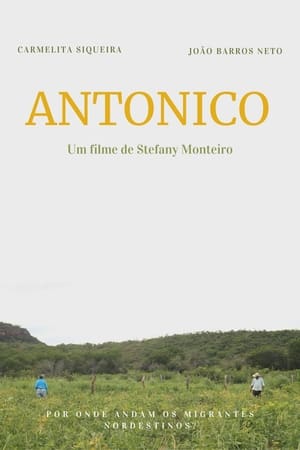
Antonico: Por Onde Andam os Migrantes Nordestinos?