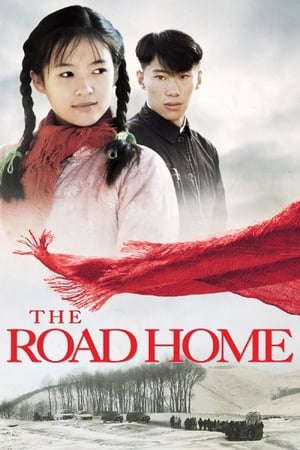
Prompted by the death of his father and the grief of his mother, a man recalls the story of how they met in flashback.
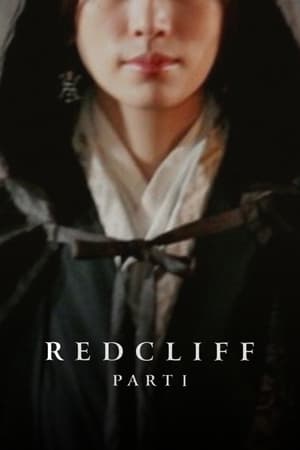
In 208 A.D., in the final days of the Han Dynasty, shrewd Prime Minster Cao convinced the fickle Emperor Han the only way to unite all of China was to declare war on the kingdoms of Xu in the west and East Wu in the south. Thus began a military campaign of unprecedented scale. Left with no other hope for survival, the kingdoms of Xu and East Wu formed an unlikely alliance.
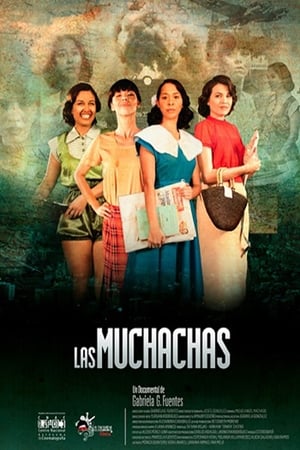
Four lucid grandmothers tell their story forgotten by history: the militancy and resistance of the young women of the leftist youth against the dictatorship of Marcos Pérez Jiménez.
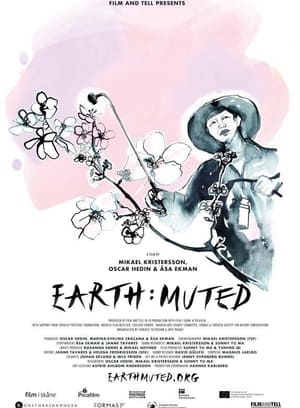
Three farming families in Hanyuan, China, strive to give their children a good life in the midst of an ecological crisis, as widespread use of pesticides leads to a dramatic decline in bees and other pollinating insects in the valley.
This tells events of the 26th year of the Ganlu era, during which the Emperor Long Aotian of the Ye Dynasty fell seriously ill. Suddenly, Lu Sha, the deputy leader of the secret guards, died, triggering widespread panic in the court.
Set in the Ming Dynasty of China. The daughter of administrator of Wuxi County is cheated by the son of a high-rank official and has a child. Then she lives a tragic life and dies in desperation finally because of ethics of the time.
A family (mother, daughter and son) tries to survive their loneliness and obsessions by going through different sexual experiences and relationships with a new neighbour, a prostitute.
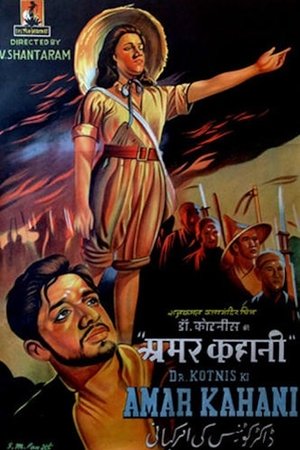
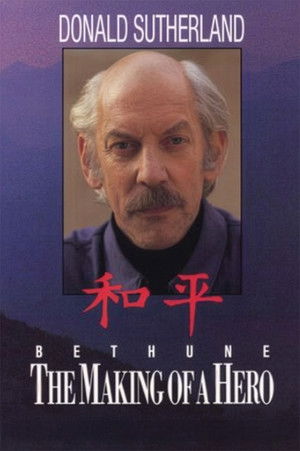
During the Japanese invasion of China, a young Indian doctor joins the Chinese resistance, meets and courts a Chinese girl, cures a virulent plague, and is captured by a Japanese platoon...
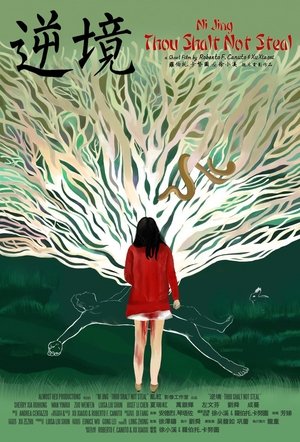
Xiaofan, a young girl who works at a Karaoke Club, awakes one morning in a remote forest with her body covered in blood. As she struggles to find her way out, she tries to understand the drama circumstances which got her into the situation, events mainly related to her unpredictable boyfriend. She needs to make a decision that may change her life.
Trials and tribulations of a Croatian communist intellectual in the turbulent years before, during and after the Second World War.
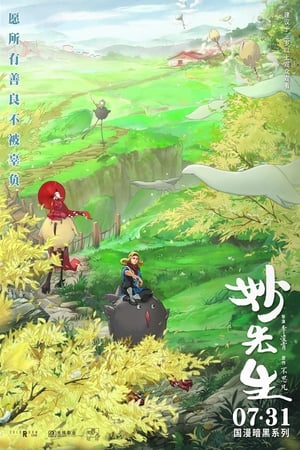
The feature introduces a fictional golden-colored flower, which possesses the magical ability to debauch humans who get too close to it. As the flower only chooses kindhearted people as hosts, a group of martial artists who want to eradicate the plants face a dilemma: should one kill good people for rescuing men from sin?
Wang Bianlian is an aging street performer known as the King of Mask for his mastery of Sichuan Change Art in a true story. His wife left him with and infant son over 30 years ago. The son died from illness at age 10. This left Wang a melancholy loner aching for a male descendent to learn his rare and dying art.
After a chance encounter with a wanted man, a woman is harassed by the police and press until she takes violent action.
To put her younger sister Huilan (Margaret Tu Chuan) through college, Huilian (Grace Ting Ning) became a taxi dancer and is despised by Huilan. Now married to a good husband (Guan Shan), the lonely Huilan falls for a man after her money. To protect her younger sister, Huilian puts herself at risk. Grace Ting Ning plays a sad role, as the noble sister who keeps her purity in a cesspool.
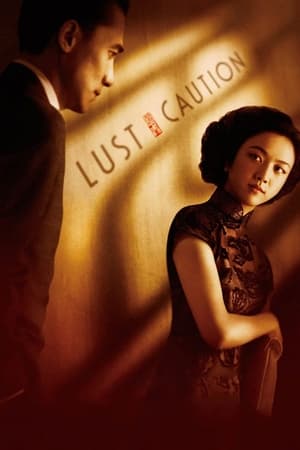
During World War II, a secret agent must seduce, then assassinate an official who works for the Japanese puppet government in Shanghai. Her mission becomes clouded when she finds herself falling in love with the man she is assigned to kill.
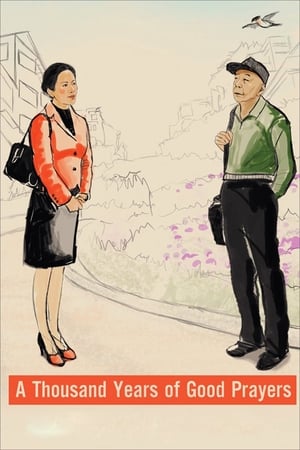
The film follows Mr. Shi, a retired widower from Beijing. When his only daughter, Yilan, who lives in Spokane, Washington and works as a librarian, gets divorced, he decides to visit her to help her heal. However, Yilan is not interested. She tries keeping an emotional distance but when this finally fails she begins physically avoiding her father. He confronts her about an affair with a married Russian man and she, in turn, lets loose about all the gossip she'd heard as a young girl about his alleged affair with a female colleague back in China.
This is part one of a two-part biopic about Karl Liebknecht. In 1914, Germany is arming itself for war. Karl Liebknecht, left-wing revolutionary Social Democrat, workers’ leader and a virulent antimilitarist, is one among 110 SPD members of Parliament who vote against approving war loans. From then on, he is considered un-German and a traitor to the fatherland, and his own party’s leadership turns against him. Despite threats, Liebknecht speaks up against the war and writes the manifesto “The Main Enemy Is at Home.” Even when he is arrested and charged with treason, he does not surrender.
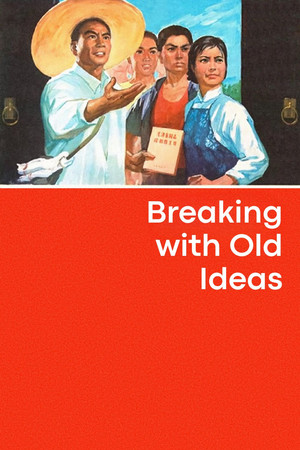
The film tells the story of the Communist Labour College that opened in the 1960s. Long Guozheng, an emissary from the Communist government and Li Jinfeng, a female peasant student, must fight against the school's more conservative elements. In the film's climax, Li is put on trial and is about to be expelled from the school when she is saved by a pronouncement from Chairman Mao himself.
True story of Norman Bethune, a medical doctor who fought for justice in China during Mao's rise to power.
In the puppet state of Manchukuo in the 1930s, four Communist party special agents, after returning to China, embark on a secret mission. Sold out by a traitor, the team find themselves surrounded by threats on all sides.