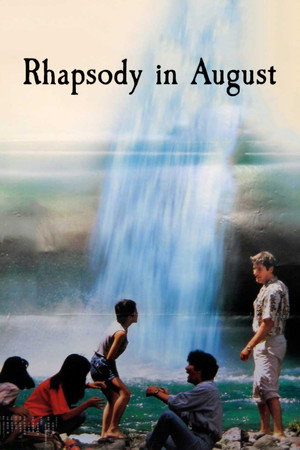
Historical fiction about the aftermath of the atomic bombing of Hiroshima, Japan, on 6 August 1945, and its effects on various civilians, especially children, of that city.
Love Letter So-renka
Goro is an archeologist, fascinated with the national treasure Gassho clay figure and remains from the Jomon period. He meets a woman, Momoko who is timid with love. Momoko often has memories from ancient times and landscapes of the heart in her dreams. She tells Goro about her dream and their relationship deepens.
The first theatrical release, titled Bonobono, opened in theaters on 1993-11-13. The film has since been broadcast on domestic television in Japan, including on broadcast satellite channels such as NHK BS-2. The film has been released on VHS and DVD in Japan, including in a "no cut" edition.
A member of an elite paramilitary counter-terrorism unit becomes traumatized after witnessing the suicide bombing of a young girl and is forced to undergo retraining. However, unbeknownst to him, he becomes a key player in a dispute between rival police divisions, as he finds himself increasingly involved with the sister of the girl he saw die.
The classic story of English POWs in Burma forced to build a bridge to aid the war effort of their Japanese captors. British and American intelligence officers conspire to blow up the structure, but Col. Nicholson, the commander who supervised the bridge's construction, has acquired a sense of pride in his creation and tries to foil their plans.
A samurai answers a village's request for protection after he falls on hard times. The town needs protection from bandits, so the samurai gathers six others to help him teach the people how to defend themselves, and the villagers provide the soldiers with food.
Blind traveler Zatoichi is a master swordsman and a masseur with a fondness for gambling on dice games. When he arrives in a village torn apart by warring gangs, he sets out to protect the townspeople.
Two lost souls visiting Tokyo -- the young, neglected wife of a photographer and a washed-up movie star shooting a TV commercial -- find an odd solace and pensive freedom to be real in each other's company, away from their lives in America.
In a once-scenic village now dominated by a vast trash disposal site, a young man yearns to break free from a cruel fate tying him to the very grounds.
Nathan Algren is an American hired to instruct the Japanese army in the ways of modern warfare, which finds him learning to respect the samurai and the honorable principles that rule them. Pressed to destroy the samurai's way of life in the name of modernization and open trade, Algren decides to become an ultimate warrior himself and to fight for their right to exist.
Legendary singer Claire Emery flies to Japan for a final sold-out concert. But when the show ends, so does Claire’s life on earth. However, an unexpected new life in the spirit world - where she will be guided by Yuzo, one of her biggest fans - awaits.
A cursed dancer and a blind musician — both ostracized by society — become business partners and inseparable friends as their larger-than-life concerts propel them to stardom in 14th century Japan.
Four people recount different versions of the story of a man's murder and the rape of his wife.
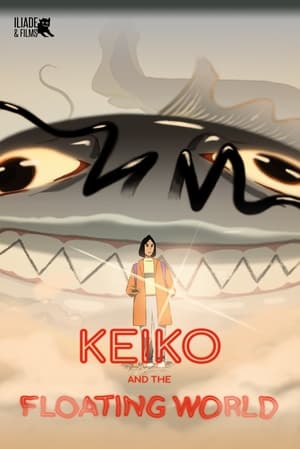
2011. Fukushima. Keiko's life changes when her friends are swallowed up by the tsunami. Two years later, unable to mourn, the former trawler captain embarks for the quarantine zone, convinced that they are still alive.
A daughter is constantly overshadowed by her famous father, but she is determined to make her own mark in the world.
Shinohara, a young bodybuilder, joins a para-military sect in northern Japan. His instructor, Takizawa, takes a liking to the new recruit. After an early “special” training session the two develop a lasting and loving relationship.
Sen no Rikyu (Ebizo Ichikawa) is the son of a fish shop owner. Sen no Rikyu then studies tea and eventually becomes one of the primary influences upon the Japanese tea ceremony. With his elegant esthetics, Sen no Rikyu is favored by the most powerful man in Japan Toyotomi Hideyoshi (Nao Omori) and becomes one of his closest advisors. Due to conflicts, Toyotomi Hideyoshi then orders Sen no Rikyu to commit seppuku (suicide). Director Mitsutoshi Tanaka's adaptation of Kenichi Yamamoto's award-winning novel of the same name received the Best Artistic Contribution Award at the 37th Montréal World Film Festival, the Best Director Award at the 2014 Osaka Cinema Festival, the 30th Fumiko Yamaji Cultural Award and the 37th Japan Academy Film Prize in nine categories, including Best Art Direction, Excellent Film and Excellent Actor.
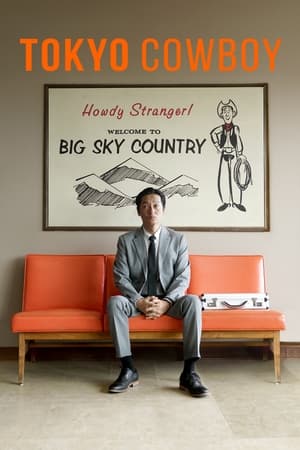
Brash businessman Hideki (Arata Iura) convinces his Tokyo bosses he can turn a profitless Montana cattle ranch into a premiere-performing asset. However, when his Japanese Wagyu-beef expert fails him, Hideki is poised to fail unless he identifies a missing element that's key to the transformation: himself.
The Way of Drama unfolds in the world of kabuki in Osaka, but also addresses the politics of popular culture and the rivalry between theatrical styles like those used by amateur actors to dramatise contemporary events.