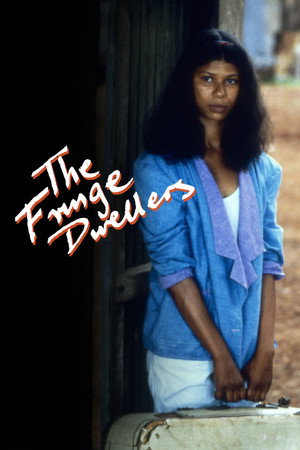
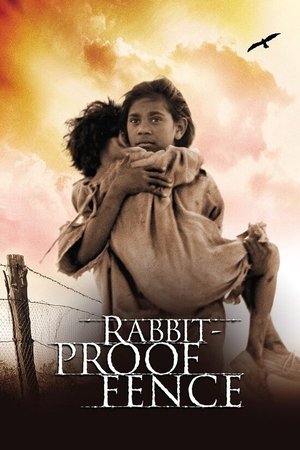
In 1931, three Aboriginal girls escape after being plucked from their homes to be trained as domestic staff, and set off on a trek across the Outback.
The film tells the story of four Cree siblings, Connie, Marianne, Gwen, and Anthony, separated as babies through Canada’s notorious Sixties Scoop, which saw indigenous children taken from their homes to be adopted by white families. Excited and curious, but also scared and afraid of rejection, they agree to meet for the first time over a holiday weekend in the mountains of Banff.
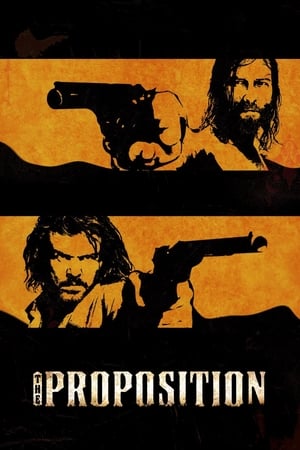
In 1880s Australia, a lawman offers renegade Charlie Burns a difficult choice. In order to save his younger brother from the gallows, Charlie must hunt down and kill his older brother, who is wanted for rape and murder. Venturing into one of the Outback's most inhospitable regions, Charlie faces a terrible moral dilemma that can end only in violence.
An ex-pro athlete runner and his wife find a strange boy in the middle of nowhere along with a murdered couple. He runs to a nearby town for help while she keeps the boy company. Meanwhile, escaped convicts are heading to their location.
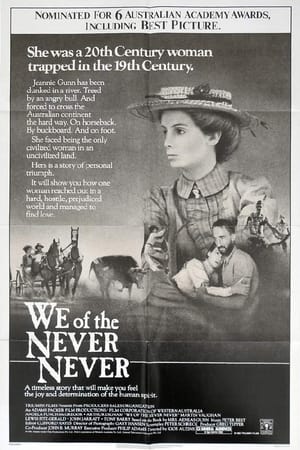
Based on the well-loved Australian classic by Mrs. Aeneas Gunn, this is the remarkable true story of Jeannie Gunn, a woman who fought to overcome sexual and racial prejudice amid the harsh beauties of the outback. Leaving her Melbourne existence for a new life on her husband's isolated ranch, Jeannie's feisty, good-natured attitude soon wins over the misogynistic stockmen, but she faces a much tougher challenge in trying to change their racist attitudes towards the indigenous aboriginal population.
Two young women are raped on their way home. The story follows the lives of both women and the different ways they deal with the crime.
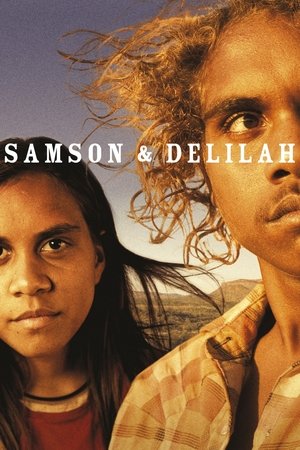
Samson, a cheeky 15-year-old boy, and Delilah, live in an isolated Aboriginal community in the Central Australian desert. The two teenagers soon discover that life outside the community can be cruel. Lost, unwanted and alone they discover that life isn’t always fair, but love never judges.
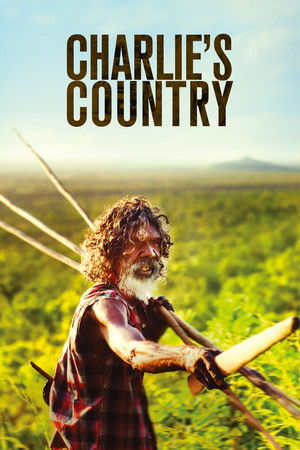
Blackfella Charlie is getting older, and he's out of sorts. The intervention is making life more difficult on his remote community, what with the proper policing of whitefella laws that don't generally make much sense, and Charlie's kin and ken seeming more interested in going along with things than doing anything about it. So Charlie takes off, to live the old way, but in doing so sets off a chain of events in his life that has him return to his community chastened, and somewhat the wiser.
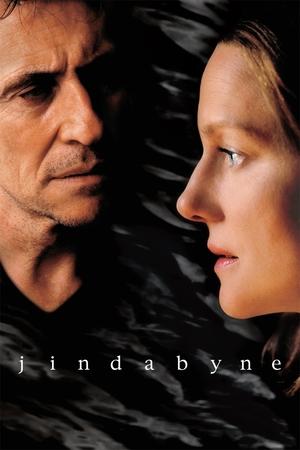
Outside the Australian town of Jindabyne, local man Stuart Kane is on a fishing trip with friends when they discover the body of a murdered girl.
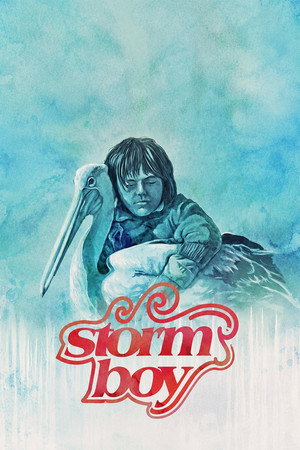
Mike is a lonely Australian boy living in a coastal wilderness with his reclusive father. In search of friendship he encounters an Aboriginal native loner and the two form a bond in the care of orphaned pelicans.
On a summer day in the 1950s, a native girl watches the countryside go by from the backseat of a car. A woman at her kitchen table sings a lullaby in her Cree language. When the girl arrives at her destination, she undergoes a transformation that will turn the woman’s gentle voice into a howl of anger and pain.
Filmmaker Kevin McMahon accompanies the Haida delegation on a repatriation trip to Chicago in 2003. His film reveals the whole repatriation process through the stories and experiences of the people who participated, both Museum staff and the Haida people.
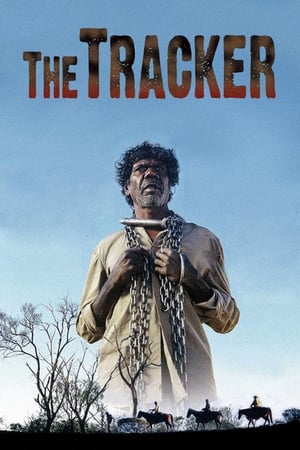
Somewhere in Australia in the early 20th century outback, an Aboriginal man is accused of murdering a white woman. Three white men are on a mission to capture him with the help of an experienced Indigenous man.
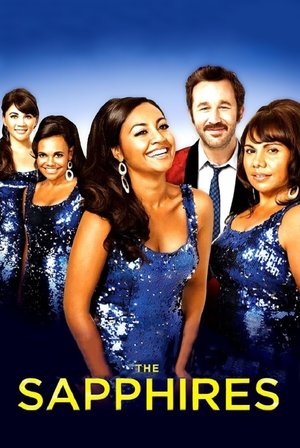
It's 1968, and four young, talented Australian Aboriginal girls learn about love, friendship, and war when they entertain the US troops in Vietnam as singing group The Sapphires.
Explores the sensitive, and tense, relationship between life on an First Nations reservation and life in the outside world. When Native Canadian Silas Crow is forced to write a personal essay in order to get a much-desired job, he tells the story of the rape and murder of an Indian girl by a drunken thug. When the killer received a lenient two-year sentence for manslaughter, the First Nations community felt shock and anger—and tried desperately to deal with the after-effects of this lack of justice.
Between 1924 to 1970, Kinchela Boys Home in Kempsey, New South Wales, saw an estimated 400 to 600 Aboriginal children exposed to routine acts of cultural genocide and remains one of Australia’s most notorious institutions of the Stolen Generations. After being stolen from their families, country, and community, children were stripped of their names, given numbers, and subjected to ‘reprogramming’ and strict regimes of manual labour. We Were Just Little Boys is narrated by KBH survivors.
A story of a Moscow's apartment building that is slowly falling apart, literally. First, the hot water has been cut off by an old man from Asia, who could not stand it being wasted. Then the roof is starting to collapse. Finally, the electricity has been cut off. All the tenants of the building, no matter how different they were, find themselves in the same situation.
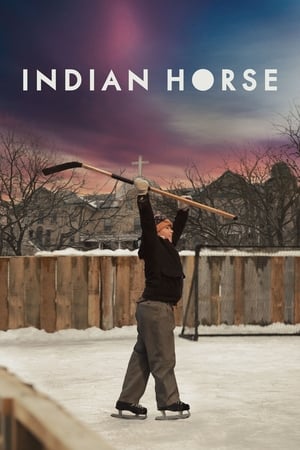
Follows the life of Native Canadian Saul Indian Horse as he survives residential school and life amongst the racism of the 1970s. A talented hockey player, Saul must find his own path as he battles stereotypes and alcoholism.
Three Kiowa boys attempt to escape a government boarding school in 1891, Oklahoma.
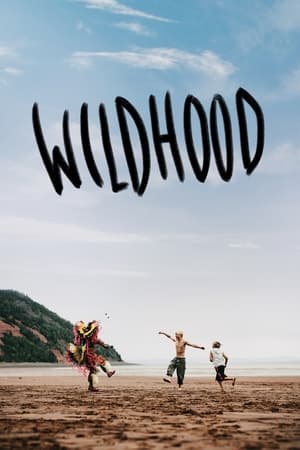
Link and his brother flee their abusive father and embark on a journey where Link discovers his sexuality and rediscovers his Mi’kmaw heritage.