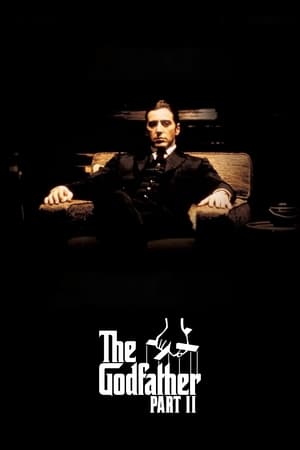
In the continuing saga of the Corleone crime family, a young Vito Corleone grows up in Sicily and in 1910s New York. In the 1950s, Michael Corleone attempts to expand the family business into Las Vegas, Hollywood and Cuba.
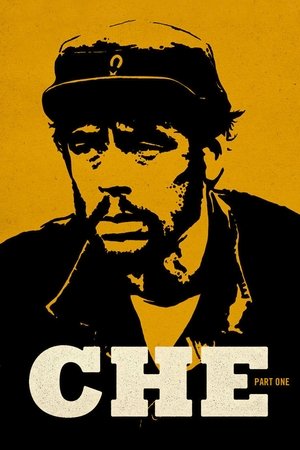
Ernesto Guevara, known as 'Che', leads a group of Cuban exiles under Fidel Castro in a revolution to overthrow Fulgencio Batista, the dictator of Cuba.
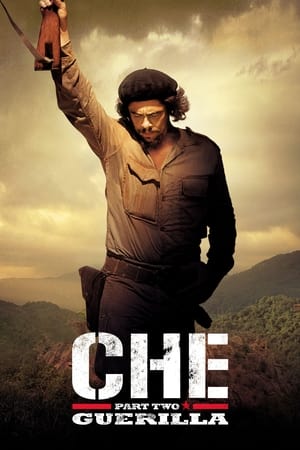
Seven years after his triumph in Cuba, Che winds up in Bolivia, where he tries to ignite the same revolutionary fires as before.
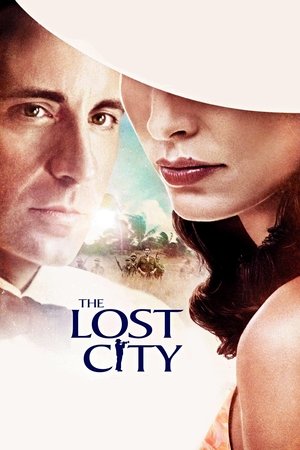
Daniela – a single mother, whose boyfriend left for the US – believes wholeheartedly in Cuba's revolutionary new order. Meanwhile, in Florida, a plot is afoot. Under the command of an American officer, four Cubans ex-patriots and a Guatemalan land on the Cuban coast to prepare a US invasion of the island. Daniela's superior, the corrupt Cuban officer Palomino, is secretly helping the invaders and the young woman becomes entangled in the intrigue.
A documentary about the corrupt health care system in The United States whose main goal is to make profit even if it means losing people’s lives. "The more people you deny health insurance, the more money we make" is the business model for health care providers in America.
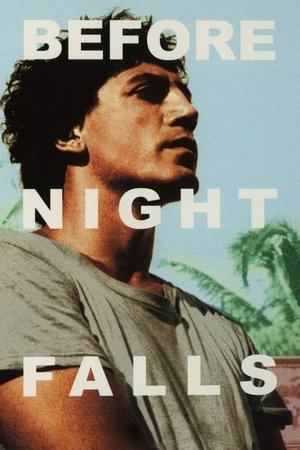
Spanning several decades, this powerful biopic offers a glimpse into the life of famed Cuban poet and novelist Reinaldo Arenas, an artist who was vilified for his homosexuality in Fidel Castro's Cuba.
Edward Wilson, the only witness to his father's suicide and member of the Skull and Bones Society while a student at Yale, is a morally upright young man who values honor and discretion, qualities that help him to be recruited for a career in the newly founded OSS. His dedication to his work does not come without a price though, leading him to sacrifice his ideals and eventually his family.
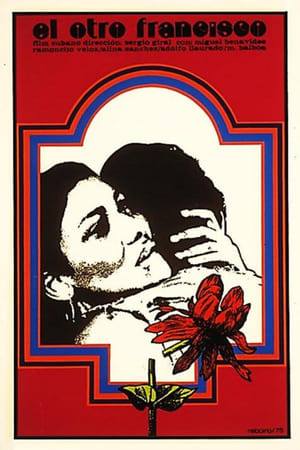
Based on the novel Francisco by Anselmo Suárez y Romero, "The Other Francisco" is a socio-economic analysis of slavery and class struggle through the retelling of the original novel. The film contrasts the romantic conceptions of plantation life found in Suárez Romero's novel with a realistic expose of the actual historical conditions of slavery throughout the Americas. It offers a critical analysis of the novel, showing how the author's social background led to his use of particular dramatic structures to convey his liberal, humanitarian viewpoint.
Meet Chala, an eleven year-old boy with a hard life and strong respect for Carmela, his sixth grade teacher. The pair develops a solid bond, but after Carmela suffers an accident, things get complicated…
In 1979 Cuba, flamboyant gay artist Diego attempts to seduce straitlaced David, an idealistic young communist, and fails dismally. But David conspires to be "friends" with Diego so he can monitor the artist's subversive life for the state. As Diego and David discuss politics, individuality and personal expression in Castro's Cuba, a genuine friendship develops between the two.
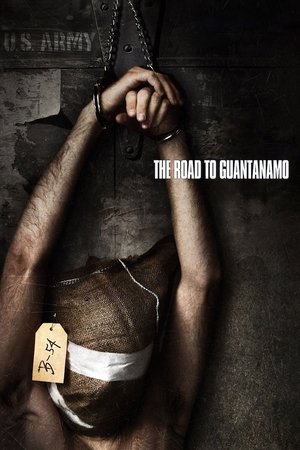
Part drama, part documentary, The Road to Guantánamo focuses on the Tipton Three, a trio of British Muslims who were held in Guantanamo Bay for two years until they were released without charge.
Film by Rolf Losansky.
In the manner of a well run Greek tragedy, leaving aside one of its components, dragging in its passing narrative certainty by the viewer that violent death is the hallmark of so much misfortune purifier, Los Dioses Rotos crowns the very successful arrival of Ernesto Daranas to the feature domains and with it, the team that accompanied him, including the actors.
In Havana, Cuba in the late 1950's, a wealthy family, one of whose sons is a prominent nightclub owner, is caught in the violent transition from the oppressive regime of Batista to the Marxist government of Fidel Castro. Castro's regime ultimately leads the nightclub owner to flee to New York.
Gustavo idolizes his older brother Paco and his punk, "Frikis" bandmates. When word reaches the Frikis of a potential reprieve from the effects of the economic crisis, they do the now unthinkable: deliberately inject themselves with HIV to live at a government-run treatment home. It's there that they create their own utopia to live and play music freely.
During the revolution, a high-stakes gambler arrives in Cuba seeking to win big in poker games. Along the way, he meets and falls in love with the wife of a Communist revolutionary.
The Castro revolution was just consolidating its power when, in 1961, over 100,000 students were sent from their schools into the countryside to teach the peasants there how to read. Coinciding with the Bay of Pigs invasion, in this docudrama, 15-year-old Mario (Salvador Wood) has come to a tiny village in the Zapata swamps and gradually wins the villagers over to his task. At the same time, he receives an education in the realities of rural life from the hard-working peasants.
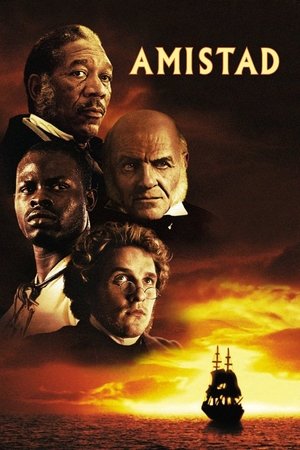
In 1839, the slave ship Amistad set sail from Cuba to America. During the long trip, Cinque leads the slaves in an unprecedented uprising. They are then held prisoner in Connecticut, and their release becomes the subject of heated debate. Freed slave Theodore Joadson wants Cinque and the others exonerated and recruits property lawyer Roger Baldwin to help his case. Eventually, John Quincy Adams also becomes an ally.
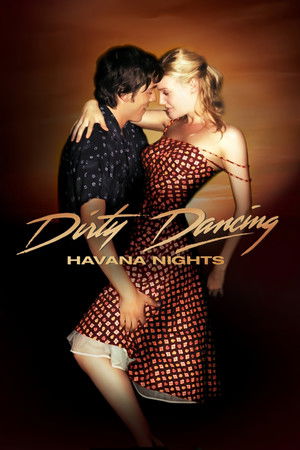
In pre-revolution Cuba, Katey Miller is about to defy everyone's expectations. Instead of a parent-approved suitor, Katey is drawn to the sexy waiter, Javier, who spends his nights dancing in Havana's nightclubs. As she secretly learns to dance with Javier, she learns the meanings of love, sensuality and independence.
Santiago is an aging, down-on-his-luck, Cuban fisherman who, after catching nothing for nearly 3 months, hooks a huge Marlin and struggles to land it far out in the Gulf Stream.