John Stonehouse (William Russell) checks into a hotel, intending to commit suicide. But instead he winds up helping a girl, Gilberte Bonheur (Fritzi Brunette), out of a jam. He finds her bending over a man who she has apparently killed, and since he's about to kill himself anyway, he offers to assume the blame. Throw a valuable emerald into the works, and the fact that the dead man suddenly comes back to life, and Stonehouse -- not to mention the audience -- becomes thoroughly befuddled by it all. Everything clears up, however, when Gilberte gives him a theater ticket -- it turns out that everything he went through was the plot to a stage play, enacted in real life by the actors. The critics roasted the play, saying it wasn't true to life, and this was their proof that the situations really could happen. Gilberte retires from acting when Stonehouse proposes.
Re-imagined version of the now lost first Finnish film. Two siblings inherit all the essentials for a good life: moonshine equipment and a pig. As they embark on their journey, business is good until a card shark arrives.
Max Fleischer draws the upper and lower halves of the Clown's body, which dance around separately before coming together. Max interacts with his creation before ultimately washing the Clown off the page with water.
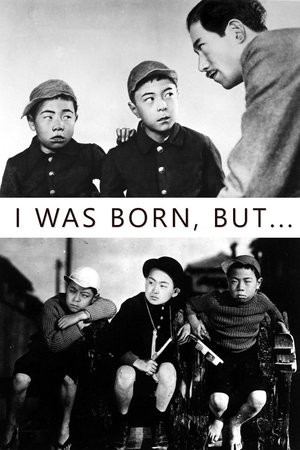
Two young brothers become the leaders of a gang of kids in their neighborhood. Ozu's charming film is a social satire that draws from the antics of childhood as well as the tragedy of maturity.
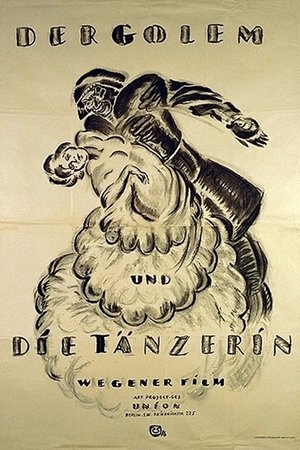
A dancing instructor gets involved with a newly rich family.
In this Mack Sennett comedy, a mother and daughter fear foreclosure because their mortgage payment is due and they're unable to pay it. Meanwhile, the family's son Jack, who's in prison, unexpectedly finds himself free of captivity.
A masked criminal who dresses like a giant bat terrorizes the guests at an old house rented by a mystery writer.
A general store clerk and aspiring detective investigates a mysterious disappearance that took place quite close to an empty insane asylum.
A divorced couple try to pretend they are still happily married in order to get $100,000 from the woman's divorce-disapproving aunt.
The timid youngest son of the most important family in town must use his wits to win the respect of his strong father and the love of a beautiful new woman in town.
As a practical joke, an actor impersonates the screen monster he made famous. A lost film.
Daisy Jones had been married just a year when her husband failed to kiss her one morning, and she decided that he did not love her any more.
An opportunistic umbrella salesman attempts to save a musician and his daughter from blackmail.
A photo studio operator seems only interested in flirting with women. Hilarity ensues.
Polyteekkarifilmi (Polytekarfilmen) is a Finnish silent documentary film dating from 1924. The subtitle of the documentary is "The story of sport, polytheists and the gods of Olympia". The film aimed to raise travel funds for Finnish athletes traveling to the Paris Olympics.
The main characters are the artist Bertel von Bjelke and Hilkka Kanno the adopted daughter of the town councilor. Bertel is in love with Hilka, who, however, behaves badly with the artist. This does not prevent the artist from asking for the girl's hand from the town councilor Kanno, who accepts his friend's request. Kanto stresses, however, that the final decision is up to his daughter.
Jaakkola, a priest with a bad memory, gets a prescription for a spa day from Dr. Viljo. Ruustinna plans to bring her daughter Elina and the local doctor together. Jaakkola finds the mail he forgot in his pocket, including an important wedding invitation. Rovasti and Ruustinna plan to stop at the wedding on the way to the spa, but things get complicated and there are enough misunderstandings in the knots of love.
The scene of the drama is a block of modern flats. Many of the residents are away at a dance, and the janitor and his staff decide upon a jollification of their own. They invite their friends to a fine high tea. Everybody is having a fine time, and their spirits are running high. We are now taken to the outside of the hall door, and watch with amusement the frantic pounding and bell ringing of the residents returning from their evening engagements and seeking admission to their apartments. The gay gathering inside are too busy with their own pleasure to heed the angry crowd outdoors. A policeman is called, but all to no purpose, and the tenants are all taken to the station for quarters for the night. Returning to the janitor's quarters we see that the jollifications have been concluded and the guests are all departing. The superior officer at the station concludes to make another effort to gain admittance in the building and, with the tenants at his heels, he approaches the flats.
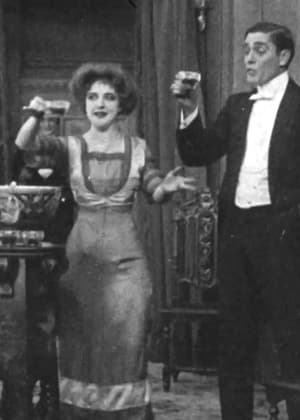
Mr. and Mrs. Hilton throw a New Year's Eve party. They agree not to drink the punch themselves, but as guests begin to arrive their resolve weakens, and soon they are both cavorting drunkenly. Next morning Mr. Hilton, feeling very sick, is conscience-stricken over his drunkenness and his behavior with another woman. He fears to face his wife until he discovers that she feels just as guilty herself.
At Thanksgiving, a tramp arrives in a homeless-hostile town.