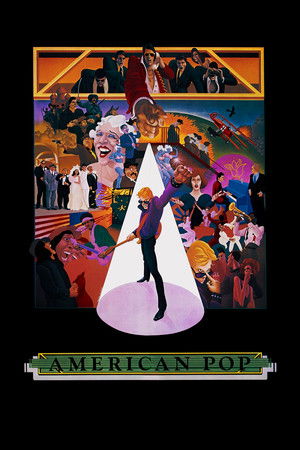
Talented teen musicians from around the USA spend a week working with Grammy nominated professionals
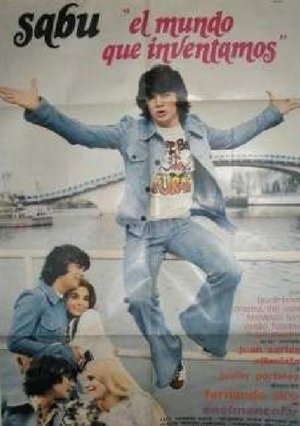
The film covers the conflict between a father and his son both being musicians. The father is the leader of a band making rock-music from the 60s but his son becomes a star of techno-pop music.
Get to know the mastermind behind The Beatles’ worldwide domination, from an unknown Liverpool band to uncontested modern musical icons.
A feature documentary following Antonio de Benedetto, an Italian chef on a quest to change the world with food. His apprentices are aspiring chefs with Down syndrome, who travel from across Italy to train and work in hospitality and take their place at the table of life and find their pathway to freedom and independence.
One of the dominating figures in Elvis Presley's life was his manager, who was known as the "Colonel". No other relationship in Elvis' life was as controversial and misunderstood as the one he had with Colonel Tom Parker. The truth about their unique friendship is revealed in this documentary.
Satellites in Texas is a feature documentary following musician Boome as he copes with his brothers sudden death. It follows his humble beginnings as he climbs the ladder of the music industry. Raised by a single immigrant mother Boome defies the odds and starts to scratch the surface of success. Faced by hard decisions to continue to pursue his dream, Boome takes us on the road.
An improvised comedy, shot over five days by Shane Meadows, devised with and starring Paddy Considine. Rock roadie and failed musician, Le Donk has lived, loved and learned. Along the way he's lost a girlfriend but he has found a new sidekick in up-and-coming rap prodigy Scor-zay-zee. With Meadows' fly-on-the-wall crew in tow, Donk sets out to make Scor-zay-zee a star...
In the mid-1990s reports emerged that Prince had fallen into dispute with his record company. Having signed what was ostensibly a new, 100 million dollar contract just a couple of years before, Prince was now demanding - not unreasonably to most commentators - control of his masters and the freedom to release what he wanted when he wanted. After a bitter war of words, during which the star scrawled Slave across his cheek whenever he appeared in public and routinely dissed his label, the parties finally settled and Prince henceforth was free to take full control of his music and the way it was sold to consumers. Prince approached this task with devastating foresight as he routinely created new marketing concepts which, with time, became the norm across the music world.
Images of Argentinian companies and factories in the first light of day, seen from the inside of a car, while the director reads out documents in voiceover that reveals the collusion of the same concerns in the military dictatorship’s terror.
Resistencia Cultural
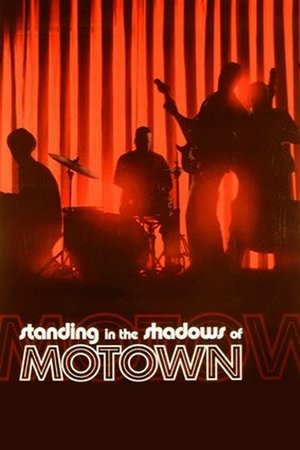
In 1959, Berry Gordy Jr. gathered the best musicians from Detroit's thriving jazz and blues scene to begin cutting songs for his new record company. Over a fourteen year period they were the heartbeat on every hit from Motown's Detroit era. By the end of their phenomenal run, this unheralded group of musicians had played on more number ones hits than the Beach Boys, the Rolling Stones, Elvis and the Beatles combined - which makes them the greatest hit machine in the history of popular music. They called themselves the Funk Brothers. Forty-one years after they played their first note on a Motown record and three decades since they were all together, the Funk Brothers reunited back in Detroit to play their music and tell their unforgettable story, with the help of archival footage, still photos, narration, interviews, re-creation scenes, 20 Motown master tracks, and twelve new live performances of Motown classics with the Brothers backing up contemporary performers.
Buenos Aires is a complex, chaotic city. It has European style and a Latin American heart. It has oscillated between dictatorship and democracy for over a century, and its citizens have faced brutal oppression and economic disaster. Throughout all this, successive generations of activists and artists have taken to the streets of this city to express themselves through art. This has given the walls a powerful and symbolic role: they have become the city’s voice. This tradition of expression in public space, of art and activism interweaving, has made the streets of Buenos Aires into a riot of colour and communication, giving the world a lesson in how to make resistance beautiful.
Documentary about the Football World Cup held in Argentina in 1978, focusing on the competition and behind the scenes of the most important soccer competition in the world. Two versions of the 1978 official film exist, the first "Copa 78 - O Poder do Futebol" was made by Brazilian directors Maurício Sherman and Victor di Mello in 1979 but was later withdrawn by FIFA because of its controversial content. The film includes an interview with Rodolfo Galimberti, one of the leaders of the Montoneros guerrilla group and also made accusations that the Argentinian competition organisation committee had deliberately hindered Brazilian chances of success by tampering with the pitch at Mar del Plata.
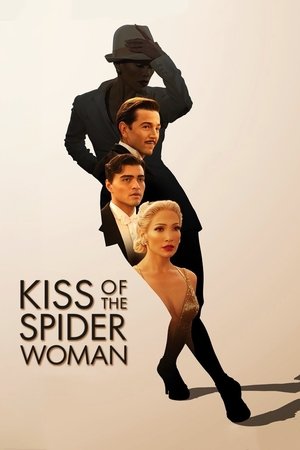
Charlotte Lord, a widow in her early forties and owner of Manhattan's smartest modiste shop, is about to marry Guy Barton, a wealthy businessman. But Mexican divorces have been declared illegal, so Guy is still married to Sybil Barton, an unscrupulous gold-digger who left him twelve years earlier. She demands that Guy give her $250,000 for his freedom.- Written by Les Adams
The New Tango (El Nuevo Tango) was not shown in Argentina for a long time as it deals with the ascent of Argentinean president Hector Campora in May 1973, and features Cuban and Chilean presidents, Osvaldo Dorticos and Salvador Allende. A million people gathered on the Plaza de Mayo to acclaim the new President. One of Cámpora's first presidential actions was a granting of amnesty to political prisoners who where jailed during the dictatorship. On 28 May Argentina restored diplomatic relations with Cuba, which then received Argentine aid - such as food and industrial products - to break the United States embargo against Cuba.
A documentary following the day life of fans in Brazil on July 13, 2014: the day when Germany and Argentina met up in the finals of FIFA World Cup.
How a once-in-a-generation Argentina team, led by Manu Ginobili, brought down the “Dream Team” and won gold at the 2004 Olympic Games.
DEBT is the story of a frantic pursuit: the search for the responsible for the televised cry of hunger of Barbara Flores, an eight-year-old Argentinean girl. Buenos Aires, Washington, the IMF, the World Bank and Davos; corruption and the international bureaucratic lack of interest.
She appeared when Spain was waking up from a long post-war period and crying with melodramas starring children, a child prodigy unlike any other; a girl who, in time, would become a symbol of freedom and a total artist. Actress, singer, friend, lover. This is the story of Ana Belén.
After the fall of the military dictatorship in 1983, successive democratic governments launched a series of reforms purporting to turn Argentina into the world's most liberal and prosperous economy. Less than twenty years later, the Argentinians have lost literally everything: major national companies have been sold well below value to foreign corporations; the proceeds of privatizations have been diverted into the pockets of corrupt officials; revised labour laws have taken away all rights from employees; in a country that is traditionally an important exporter of foodstuffs, malnutrition is widespread; millions of people are unemployed and sinking into poverty; and their savings have disappeared in a final banking collapse. The film highlights numerous political, financial, social and judicial aspects that mark out Argentina's road to ruin.