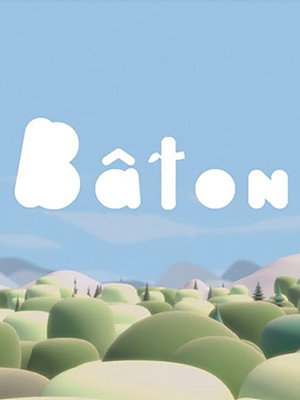
Scene 23, Slow pan The wind whistles over the dykes of the Willebroek Canal. Armand sighs. The viewer should feel goose bumps under their thick sweater. Make it clear that at this moment, Armand is craving a cup of Borain coffee. Scene 456, Armand's farm Armand puts down his coffee cup. Through the window, he sees a beautiful Romanian refugee with AIDS playing the cello in the beet field. Behind Armand, his wife, a former RTBF announcer, commits suicide by hitting herself with hot potatoes. Scene 2,347, sublime landscape of Flanders Armand can't take it anymore: will he choose the position of deputy for the Vlaamse Blok or that of puppeteer subsidized by the CUCF? No one can say.
Three generations of women deal with family secrets while surviving the east wind, fire, insanity, superstition, lies and even death.
The plot of the lost film is divided into two acts. Ossi Oswalda and Victor Janson play two apartment seekers, while Marga Köhler is a landlady. The housing shortage is treated in sketch form and "in a joking manner [...] the real housing calamity", whereby "humorous aspects" are wrested from the "tragedy." Lubitsch and Kräly used a sketch in the film that they had written especially for Ossi Oswalda.
While making a movie in the Alps, the female star falls in love with a nobleman.
Prince Sami comes from Nigeria and is an uncivilized "nature boy." He is sent to the highly civilized court of Duchess Maria of Arragon, where he initially causes chaos. In the end, however, he becomes the duchess's husband.
Aspiring filmmakers Mel Funn, Marty Eggs and Dom Bell go to a financially troubled studio with an idea for a silent movie. In an effort to make the movie more marketable, they attempt to recruit a number of big name stars to appear, while the studio's creditors attempt to thwart them.
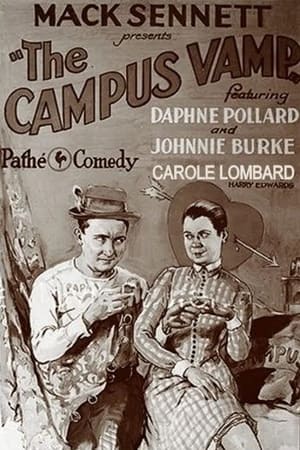
Everything is arranged by Dick and his college chums to have their sweethearts from the city, with their chaperone, visit them to spend the day. At the eleventh hour the boys receive a telephone message from the girls informing them that their chaperone has disappointed them, and they will not be able to come. The boys are disconsolate. While they are deploring the matter, their tailor, the ninth part of a man, enters. Struck with a sudden idea, they seize him and compel him to impersonate Dick's godmother.
In this silent film, now considered lost, Doug Caswell falls for Irene, his wealthy father's mistress. It's up to Doug's stepmother Helen to put things right.
So This is Love? was another early Frank Capra production for fledgling Columbia Pictures. The hero, dress designer Jerry McGuire (William Collier Jr.), is tired of being considered a wimp. After business hours, Jerry secretly takes boxing lessons, enabling him to knock the stuffings out of his burly rival Spike Mullins (Johnnie Walker). Jerry's newfound pugilistic skills wins him the affections of store clerk Hilda Jensen (Shirley Mason), who's just car-razy about "cave men." Filmed in a fast three weeks, So This is Love? was completed before Frank Capra's Matinee Idol but released afterward. Leading lady Shirley Mason was the sister of Viola Dana, who starred in Capra's initial Columbia effort, That Certain Thing.
A housewife tires of her husband's annoying behavior and returns to her mother. At first, the husband is quite pleased to have the house all to himself. But he quickly discovers that even the most basic domestic chores can be fraught with difficulty.
The Leigh Sisters perform a risqué Trilby-inspired dance with an umbrella. Scene from David Henderson's Aladdin, Jr. burlesque. Lost.
Sam the white-washer pines for the affluent Lindy, but she has dumped him in favor of another. Sam finds a large sum of money, and goes to New York to enjoy a shopping spree, buying new clothes, jewelry and a car with a driver. Back home, Lindy flips for Sam and his newfound wealth, and dumps the rival. Sam throws an engagement party where he indulges in a friendly game of cards with his former rival and another man, who unbeknownst to Sam, is a card shark.
Callimaco, a wealthy young man, falls madly in love with Lucrezia, the beautiful young wife of a much older man, Messer Nicia. But Lucrezia is honest and faithful. Her husband has failed to help her discover love. Lucrezia will resist the combined assaults of her mother, her confessor and her husband for a long time before agreeing to cheat on him. How to approach her?
A young history student goes to his uncle’s mansion to find out what caused the old man descend into madness.
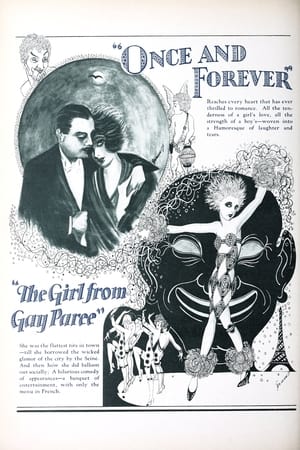
Mary Davis, alone and destitute in New York City, pilfers a meal from a restaurant and eludes the police by ducking into the Cafe Royale, where she is shuffled along a line of aspiring chorines awaiting job interviews. In desperation, Mary agrees to impersonate Mademoiselle Fanchon, formerly of the Folies-Bergère, who has walked out on her contract. Reporter Kenneth Ward interviews Mary, believing her to be the notorious Frenchwoman, and due to a misunderstanding, she rushes wildly into his arms. When Robert Ryan, a bachelor friend of the real Fanchon, investigates Mary’s deception, she violently repels his advances and believes she has killed him. Later, the real Fanchon threatens to kill Robert. Following a series of amusing complications, Mary finds love with Kenneth.
The Tenant continuously fails to escape his deadly apartment within a 5 minute time limit as his blood-thirsty neighbor threatens him from behind the front door.
Ever wonder what would have happened if Harold & Kumar had not been sent to Guantanamo and simply made it to Amsterdam? Here's a little something director Jon Hurwitz shot guerrilla-style all over Amsterdam in 3 days.
Bob and Dick both secretly love Dorothy but are too timid to propose. Bob rehearses his proposal to Dorothy, accidentally proposing to the maid, who accepts. Dick arrives, leading to a comical standoff. The maid reveals Bob's "proposal" to the chef, who, jealous, bursts in with a knife. Dorothy, finally arriving, clarifies the misunderstanding, and Bob proposes to her, leaving Dick as best man.
He Loved the Ladies
Short film about the title subject played for laughs.