A short silent documentary on the making of the 1931 Abel Gance directed film, "La Fin du Monde".
Glauco Mattoso, a blind sadomasochistic poet, agrees to participate in a documentary about his own life, but the conditions he imposes raise difficulties to the work of the young director.
An accurate depiction of the basic tenets of northern Mahayana Buddhism, cast into living or "experiential" form, consistent with powerful mantras heard on the soundtrack of the film. Tarthang Tulku, a Tibetan Lama, was the advisor.
'Coffea arábiga' was sponsored as a propaganda documentary to show how to sow coffee around Havana. In fact, Guillén Landrián made a film critical of Castro, exhibited but banned as soon as the coffee plan collapsed.
This film looks at the world of children with hearing loss and the importance of early diagnosis. With its straightforward, rigorous cinematic style and intimate approach to the subject, the film focuses on the human rather than the technical side of the problem of hearing impairment.
In this tape, Ko Nakajima and Video Earth Tokyo interview a homeless man. The subject is initially angry and frustrated, but gradually opens up and shares stories about his life. Under A Bridge was later broadcast on cable television.
Film historians, and survivors from the nearly 30-year struggle to bring sound to motion pictures take the audience from the early failed attempts by scientists and inventors, to the triumph of the talkies.
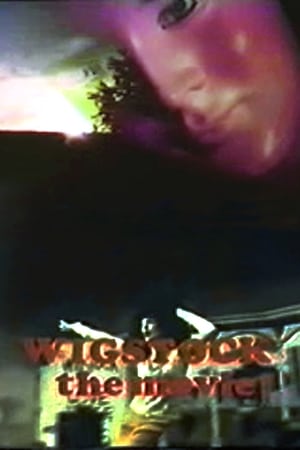
The original documentary on the Wigstock festival, back in the day when it was a much smaller affair in Thompkins Square Park. A full day of peace, love, and wigs…
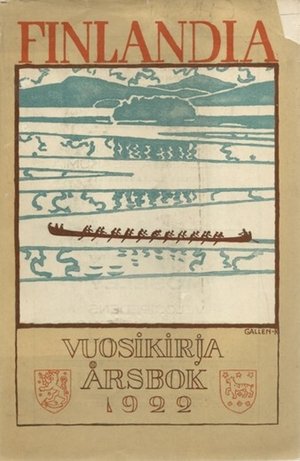
A documentary from Erkki Karu, one of the earliest pioneers of Finnish cinema: This government-produced propaganda film introduces the nature, sports, military, agriculture and capital of Finland.
A 20-minute documentary film about the Kyrgyz people living by the Narym River.
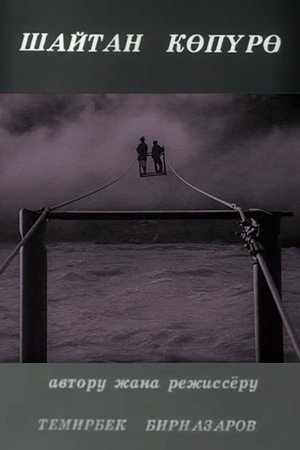
Life in a Kyrgyz aul (village) in the mountains connected to the rest of the world by a cable bridge, and the teenage boys who are constructing the rope of the bridge. A rope bridge which the locals call “The devil’s bridge” forms part of each and every event which takes place in a small village lost in the mountains of the Kyrgyz Republic. A platform driven by a huge winch which they have to pull with their own strength to cross the torrent is their only link with the outside world. But the director of the documentary wondered something else: “Does this bridge unite or does it actually separate?” Through the mist and over the thrashing waters, the inhabitants of the area glide along their ropes. A film, in the director’s own words, about ordinary people who live in an extraordinary place.
Charles Dekeukeleire, then a questioning Catholic, was spurred into making this documentary on a pilgrimage with the Catholic Young Workers’ Movement. The director’s approach is one of critical reflection; A film emotional and fervent, even acerbic.
You've never heard of Jonathan Hoefler or Tobias Frere-Jones but you've seen their work. They run the most successful and respected type design studio in the world, making fonts used by the Wall Street Journal to the President of the United States.
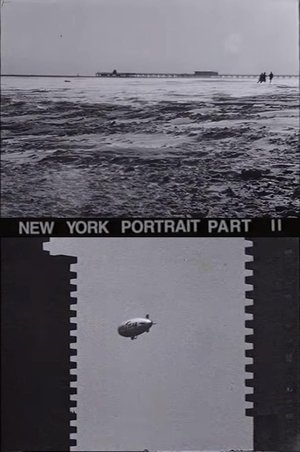
Chapter Two represents a continuation of daily observations from the environment of Manhattan compiled over a period from 1980-1981. This is the second part of an extended life's portrait of New York.
A portriat of the daily lives of Beatriz and Gilberto, a couple that has been together for over 40 years. A reflection about love and marriage. An intimate glimpse into the lives of two people who struggle to live in harmony.
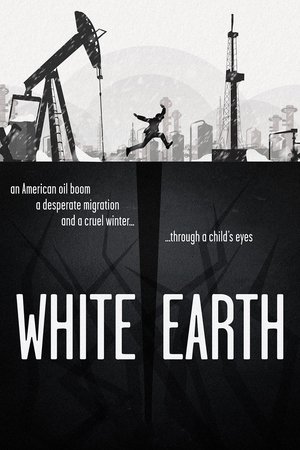
An oil boom has drawn thousands to America’s Northern Plains in search of work. Against the backdrop of a cruel North Dakota winter, the stories of three children and an immigrant mother intertwine among themes of innocence, home, and the American Dream.
A lyrical journey through the heart of Chicano culture as reflected in the love songs of the Tex-Mex Norteña music tradition. Performers include, Little Joe & La Familia, Leo Garza, Chavela Ortiz, Andres Berlanga, Ricardo Mejia, Conjunto Tamaulipas, Chavela y Brown Express and more.
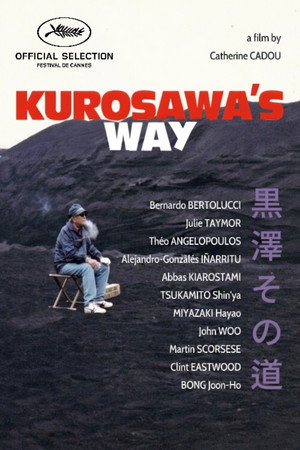
Eleven major film makers from Europe, America and Asia talk about Akira Kurosawa and discover surprising influences on their own work.
Plotless and wordless, beautifully edited shots of young (often naked or semi-naked) people in various positions, illustrating different emotions, actions and situations, underlined by rock music.
This documentary film is about one of Georgia's regions - Racha. The title of the film is taken from the name of one of Racha's high mountain villages. It tells about the poorest in society living in the mountains and the rise of the SSSR. The product of a remarkable collaboration between the first Georgian female filmmaker and the leading Georgian avant-garde artist David Kakabadze.