In 1978, two South Korean filmmakers--Director Shin Sang-ok and his star actress and ex-wife, Choi Eun-hee--were abducted and smuggled into North Korea in order to revolutionize the country's dying film industry.
This documentary tells the story of the making of Irving Berlin's Easter Parade.
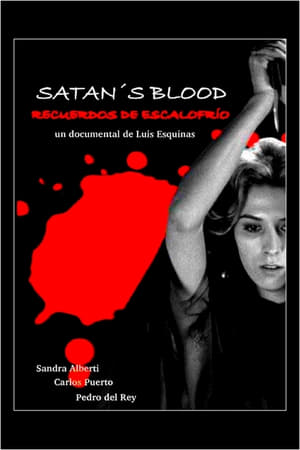
The story of the shooting of Satan's Blood (Escalofrío), a film directed by Carlos Puerto in 1978.
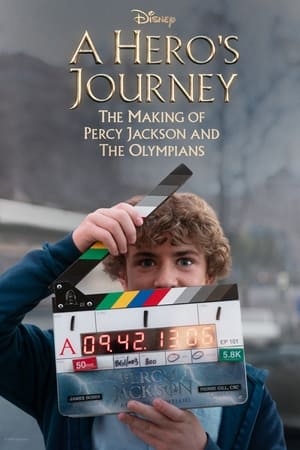
Alongside a passionate cast and crew, follow Walker Scobell, Leah Sava Jeffries and Aryan Simhadri as they step into worlds fit for gods, battle unforgettable creatures, and perform legendary stunts.
Gina Carano in Training
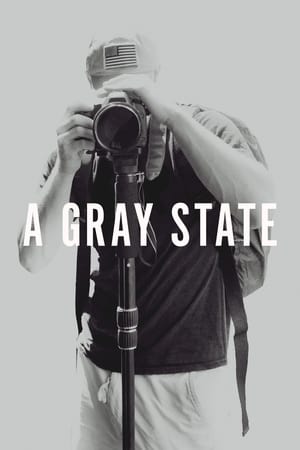
In 2010 David Crowley, an Iraq veteran, aspiring filmmaker and charismatic up-and-coming voice in fringe politics, began production on his film Gray State. Set in a dystopian near-future where civil liberties are trampled by an unrestrained federal government, the film’s crowd funded trailer was enthusiastically received by the burgeoning online community of libertarians, Tea Party activists and members of the nascent alt-right. In January of 2015, Crowley was found dead with his family in their suburban Minnesota home. Their shocking deaths quickly become a cause célèbre for conspiracy theorists who speculate that Crowley was assassinated by a shadowy government concerned about a film and filmmaker that was getting too close to the truth about their aims.
Delves into the history of the most extreme and shocking films that have ever been made. chronicles the timeline of Red Films: those films that are too extreme for the mainstream and historically have been circulated via the bootleg circuit.
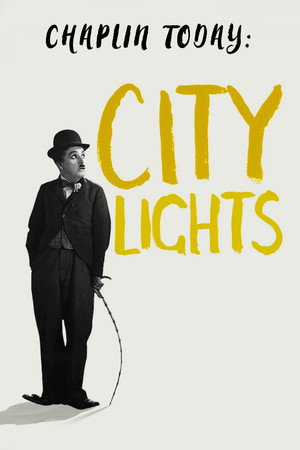
In 1928, as the talkies threw the film industry and film language into turmoil, Chaplin decided that his Tramp character would not be heard. City Lights would not be a talking picture, but it would have a soundtrack. Chaplin personally composed a musical score and sound effects for the picture. With Peter Lord, the famous co-creator of Chicken Run and Wallace & Gromit, we see how Chaplin became the king of slapstick comedy and the superstar of the movies.
A documentary about the legendary Japanese filmmaker.
Haunted by three unfinished films, a filmmaker seeks to demystify his relationship with failure through encounters with past collaborators.
When Arthur Freed brought Alan Jay Lerner to Hollywood to compose a new Fred Astaire musical (based on Fred's life,) little did he know he would have to recast it's leading lady not once, but twice.
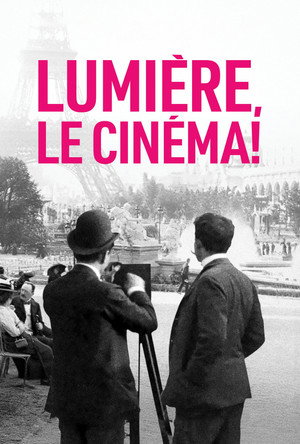
In one of those wonderful coincidences of history, lumière, the French word for “light,” was also the last name of brothers Auguste and Louis, whose brilliant invention, the cinematograph, helped to inaugurate the most beloved art form of the last 130 years. Institute Lumière director Thierry Frémaux uses Lumière, Le Cinema! to guide the viewer through over a hundred shorts—some famous, some forgotten, some never before seen—directed by Lumière and company. In the process, Frémaux illuminates how the brothers employed the camera as a creative instrument as they (and their operators) mastered framing, staging, and subject selection for quotidian and exotic microdocumentaries as well as the first ever fictional motion pictures. The result is not only a glorious re(telling) of the genesis of cinema but a profound meditation on the beautiful world captured—and the mysterious world imagined—by the Lumières.
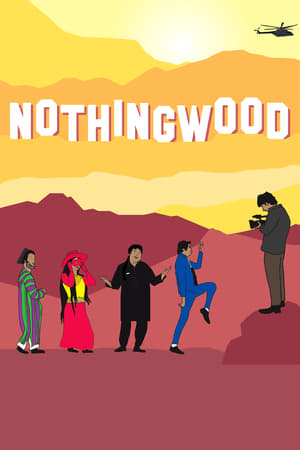
French documentarist Sonia Kronlund follows actor and director Salim Shaheen, an Afghan movie star who produced more than 110 low-budget movies in a country devastated by war.
How are the sex scenes filmed? What tricks are used to fake the desire? How do the interpreters prepare and feel? Spanish actors and directors talk about the most intimate side of acting, about the tricks and work methods when narrating exposed sex. In Spain the general rule is that there are no rules. Each film, each interpreter, faces it in very different ways.
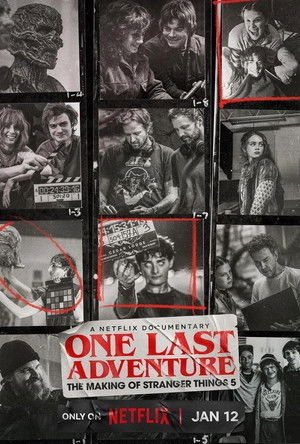
An inside look at the years of effort and craft that went into the final installment of the Duffer Brothers' generation-defining series.
Author Lee Clark Mitchell discusses the Western genre and literature.
Interview with critic Molly Haskell about Hawks and Red River
Interview with filmmaker Peter Bogdanovich about Red River and the two versions of the film.
What is a Micro-Budget film? How are they made? Where can you find them? Do they actually make any money? Six micro-budget filmmakers take us through the arduous process of making movies with little-to-no money. They shed light on the physical, financial and moral complexities of this unusual side of Hollywood.
Tells the story of Tucson and the legendary movies that were shot there.