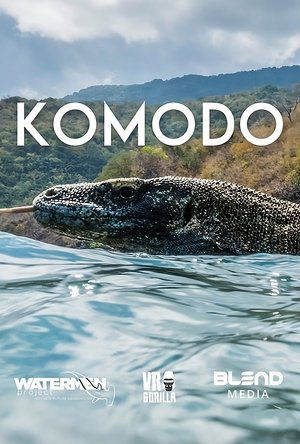
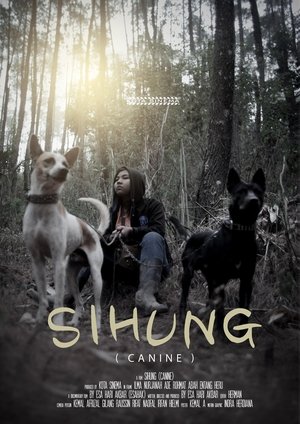
The Lamalera village is located in a small volcanic Island, a poor, barren land, and they catch whales to eat. It is the only way for them to survive. The harpooners are called lamafa in the local language. They are the village's pride because they take the whole responsibility for the very dangerous hunting. In 2018. a tragedy struck the village. Benjamin, a young lamafa, was killed during a spear hunting. His father, Ignatius, was devastated, and Benjamin's brother, Demo, was shocked and unable to go hunting. They blame accidents at sea on a victim's family discord in Lamalera. Ignatius, the master boat-builder, decided to build a new traditional whaleboat to reunite the family bond. The whaling boat is 12 meters long, made entirely of hand-crafted wood, not using a single nail, and is considered an intangible cultural asset.
Poet, essayist, novelist and filmmaker, Michel Houellebecq has always had close ties with the cinema and the world of the visual arts, which have accompanied and extended his reflexions since the start of his career, as the frequent allusions to them in his novels attest. This portrait of Houellebecq is from his early days of bad boy provocateur stardom. Having just published Plateforme in french and enjoying the many translations of Les Particules élémentaires.
This documentary contains dramatized episodes about the lives of Erika and Klaus Mann, the brilliant children of German writer Thomas Mann.
Documentary about war photographer James Nachtwey, considered by many the greatest war photographer ever.
Hours and historical meetings, Pierre Assouline has composed an anthology of the best extracts presented in the form of a primer, which he had commented on by a surprised Bernard Pivot.
A film about convicted drug smuggler Myuran Sukumaran, who became an accomplished artist before he was executed by firing squad in Indonesia in April 2015.
In this short documentary, Canadian poet Andrew Suknaski introduces us to Wood Mountain, the south central Saskatchewan village he calls home. In between musings on his poetry, which is tinged with nostalgia and the vast loneliness of the plains, the poet discusses the area’s multicultural background and Native heritage, as well as the customs and stories of these various ethnic groups.
Hana Zelinová
Robert van Gulik (1910-1967) is one of the world’s most read authors from the Netherlands. This diplomat, Sinologist and scholar is mainly known for his detective novels, starring 'Judge Dee'. Filmmaker Rob Rombout follows in his footsteps to discover the author’s legacy - via his diaries, the people he inspired and those who witnessed his extraordinary life.
Dangling from a high window, a young non-binary person is on the cusp of life and death. Flashes of film, literature, art (paintings) and cultural history pass them by, as if to tell a message. A postmodern treatise on connection to culture and the past.
What does it mean to be Black in America in the 21st century? The recently formed Black American film group TNEG™ has set out to elucidate this very question. Hearing from the likes of fine artist Kara Walker and musical artist Flying Lotus, the film is based on a deceptively simple approach -- asking a refined list of black 'specialists' as well as 'uncommon folks' questions about what they think, and more importantly as lead director Arthur Jafa states, 'What they KNOW' -- the film is an unprecedented 'stream of the black consciousness' and a strikingly original and rarefied look at black intellectual and emotional life. What's so unorthodox about this simple approach is that the interviews were recorded separately from the images in the film. What results is a breathtaking, kaleidoscopic look of American black life from the dawn of three original filmmakers.
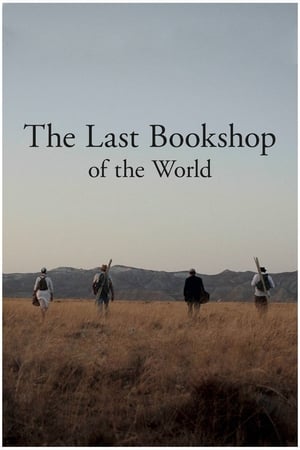
The documentary is a true story of four real intellectual Europeans from different cultures who are worried about the decline of literature’s life and the destiny of the street level bookshops in every country. That is why they have a mission to save symbolically “the world's last quality books”.
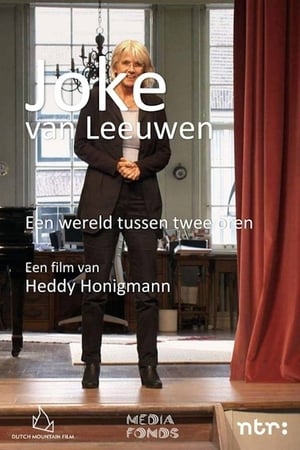
Documentary about the Dutch author, illustrator and performer Joke van Leeuwen, who has won various awards for her literature for children which sometimes uses a quest as a theme.
Well known for its exploration of seduction and revenge, the “Dangerous Liaisons” by Choderlos de Laclos caused a scandal from its first publication in 1782. Despite – or because of the scandal – the book was a top-seller. Since then, it stood the test of time. Combining eras, continents and people, the novel is adapted around the world. Marvelous tool for reflection on the female condition, social satire announcing the Revolution, remarkable work on the conflicting nature of love but also of the gender war, consecration of the power of the words, a libertine manual… “Dangerous Liaisons” is all of these at once.
Mark Gatiss explores and celebrates Dracula, an icon of popular culture, asking just why we keep coming back to the count.
Documentary tracing the extreme life of outlaw writer, performance artist and punk icon, Kathy Acker. Through animation, archival footage, interviews and dramatic reenactments, director Barbara Caspar explores Acker's colorful history, from her well-heeled upbringing to her role as the scribe of society's fringe.
Cartoneras is a documentary that grapples with Latin America’s urban realities, and the cardboard publishing movement that has emerged from these in the 21st century. Reflecting on the different contexts that propelled this form of community publishing, like Argentina’s 2001 economic crisis, the independent art scene, and the movements which formed around waste-pickers, the film’s narrative is developed through conversations with important actors from the cartonera world.
Pasar Minggu, Jakarta. The big monster is ready to clean the market.
Beatriz Portinari is not only the name of the inspiring muse of Dante Alighieri, but also the pseudonym with which the Platense writer Aurora Venturini was presented in 2007 to the Nueva Novela contest, organized by the newspaper Página 12, in which she won the grand prize for their work The bonuses. Full of mischief and grace, vitality and mystery, with great character and lucidity, this woman who throughout her ninety-one years never stopped writing, had a life totally linked to the literature and history of the twentieth century: she knew , was a friend and worked with Eva Perón in a minority center; in his exile he became associated with Simone de Beauvoir and Jean-Paul Sartre, among others; and received a prize from Jorge Luis Borges, among many other things.
Stefan Zweig was the most read author of the German language in the 1930s. He believed in a united, peaceful Europe and travelled most parts of the world. He was a pacifist and was torn apart by to the cruelties and horrors of the second World War. He committed suicide in Brasil. This documentary tells the story of his life.