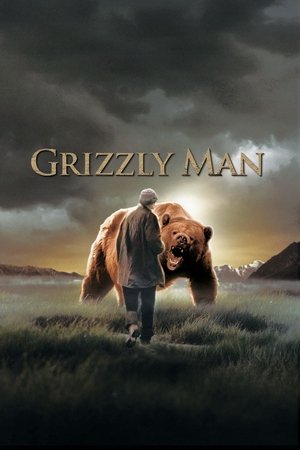
Follows the story of "Grizzly Man" Timothy Treadwell and what the thirteen summers in a National Park in Alaska were like in his attempt to protect the grizzly bears. The film is full of unique images and a look into the spirit of a man who sacrificed himself for nature.
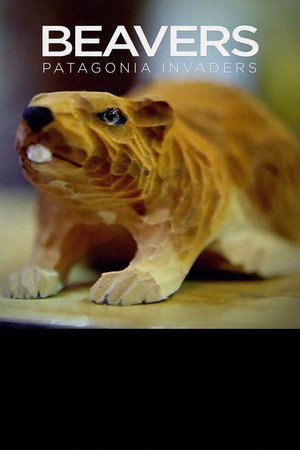
In 1940 twenty Canadian Beavers were brought to 'Tierra del Fuego' island in southern Patagonia for commercial fur production. However, beavers having no natural predators, quickly spread throughout the island, causing massive destruction of trees threatening the entire Patagonian forests rivers and species. Why wildlife conservationist are convinced that 150.000 beavers must be killed? Why some of the most recognized specialist are convinced that an eradication is not possible? Meanwhile truism is capitalizing on the situation: a man dressed as a beaver passes out flyers promoting a famous sky resort: 'Cerro Castor' - Beaver Hill. Hunters claim for subsidies, scientists are researching, rangers do what they can and restaurants tray to offer beaver meat to tourist.
Wolves divide and fascinate us. 150 years after they were driven to extinction in Central Europe, they are returning slowly but inexorably. Are they dangerous to humans? Is it possible to coexist? Using Switzerland as a point of departure, where wolves have returned in the very recent past, this documentary sheds light on the wolf situation in Austria, eastern Germany, Poland, Bulgaria, and even Minnesota, where freely roaming packs of wolves are more common sight.
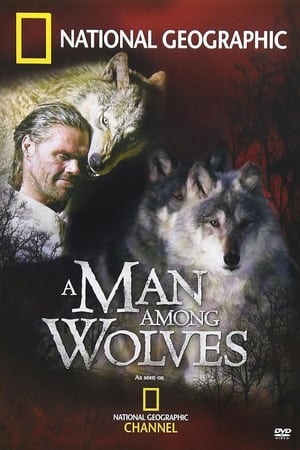
See a man living among wolves as the National Geographic Channel presents the unique story of maverick researcher named Shaun Ellis who raises abandoned wolf cubs and teaches them by example how to survive in the wild. In A Man Among Wolves, see how Shaun has given up everything to take a daring and unorthodox approach to understanding wolves' every move - living and behaving like them, howling, licking and snarling like them, even eating carcass meat like them.
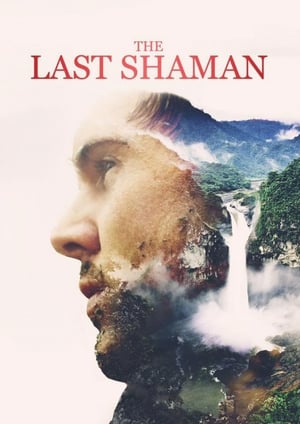
James, giving himself 12 months before he has "a license to kill himself," sets off to the Amazon rainforest with hopes of finding a shaman who can save his life.
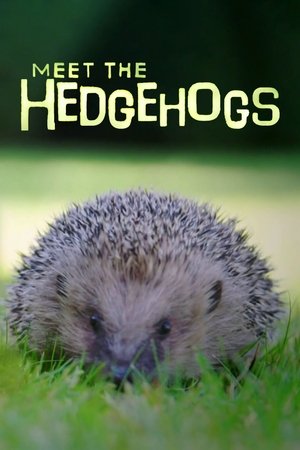
Steve Backshall visits a hedgehog rescue centre in Surrey founded by Brian May. He meets the dedicated staff and discovering the stories behind some of the animals being treated, helps to release a successfully treated hedgehog back into the wild, and offers advice on how to make a garden into a welcoming environment for the creatures.
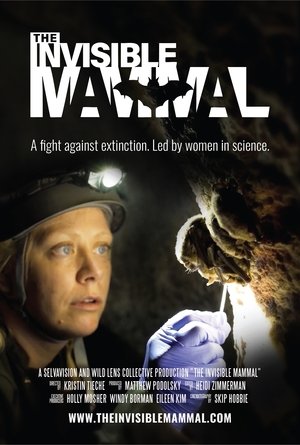
Against the backdrop of the sixth mass extinction, an all-woman team of biologists set out to save bats from a deadly fungal disease, but when the COVID-19 pandemic interrupts their work, they are sent down a path of discovery that illuminates the connections between bat conservation and the spread of infectious disease.
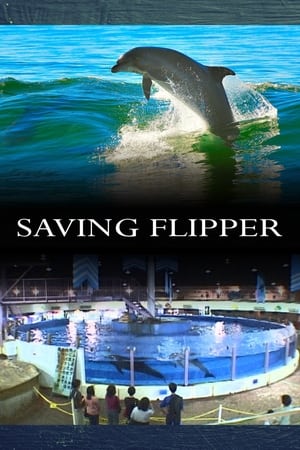
Our love affair with dolphins began with 'Flipper' and ended in a multi-million dollar industry of abuse. From the dazzling sea shows where dolphins are driven to suicide, to an annual dolphin slaughter in a small cove in Japan, 'Saving Flipper' reveals the nightmare behind the dolphin's indelible smile.
Život v lese
A record from the 1948 Arnhem Land Expedition lead by anthropologist Charles P Mountford that explores the abundant birdlife and waterways of Arnhem Land in the Northern Territory of Australia. Thousands of birds, both native to Australia and from around the world, find sanctuary in the billabongs of Arnhem Land, feeding on the fish, insects and flowers that flourish there. Apart from their beauty, the birds serve the useful purpose of helping to keep the balance of nature in the wilderness areas of Australia’s far north. Close photography makes it possible for some of the more interesting birds to be carefully studied. The film’s soundtrack is perhaps the most unique ever recorded, bringing us the thrilling sound of the voices of thousands of birds breaking the quiet of the virgin bush.
The Hoolock Gibbons of Bangladesh have been brought to the brink of extinction by the relentless destruction of their forested habitats throughout the country, even in the most highly protected forest reserves. This species used to number in the tens of thousands, but are now down to the last 200 or so.
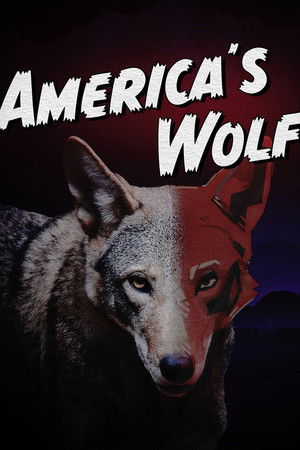
Long ago, red wolves roamed from the bayous of East Texas to the bays of coastal New York. Today, not even 20 remain in the wild—confined to a tiny pocket of habitat in far Eastern North Carolina. This short film uses over four years' worth of National Geographic Explorer Jess Suarez's photographs to tell the imagined story of one young wolf. Raised in captivity, she's eventually released into that last remaining habitat, and in the wild she finds freedom, danger, and the possibility of a new future for her species. Long ago, the red wolf was America's wolf, and with our help they could be again.
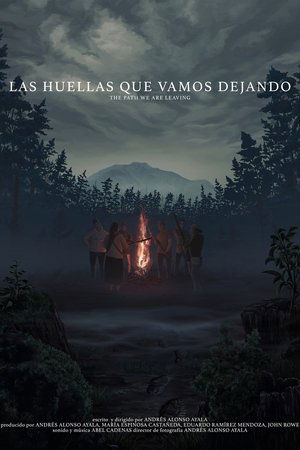
Forest and community guards face insecurity and clandestine logging in their community.
Görsel
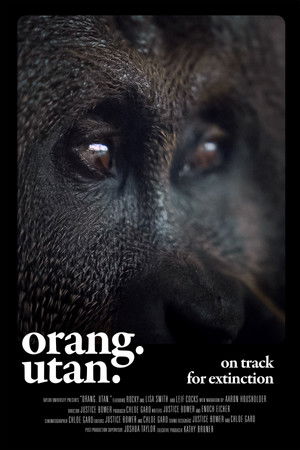
Through the story of Rocky, a rescued orangutan whose intelligence and empathy rival our own, Orang. Utan. explores the radical question of whether great apes should be considered persons. The film ultimately reframes that question into an urgent plea to save orangutans from disappearing forever.
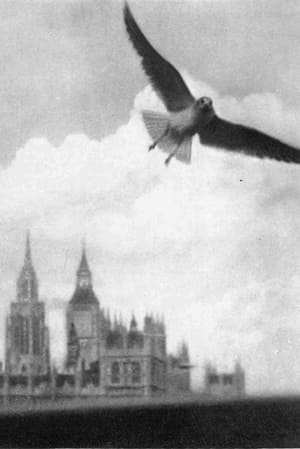
The film takes us to the North of England to follow the migration of the black-headed gull down to London. There, the narrator asks viewers to "listen to their gossip", before demonstrating the bird’s flight in slow motion. We see a polecat feasting on gull eggs, and then a man collecting the eggs for human consumption, with the film telling us that they are considered a “delicacy” in London. Indeed, according to the British Trust for Ornithology, around 300,000 gull’s eggs were sold every year in Leadenhall Market in London during the 1930s, when London Visitors was made.
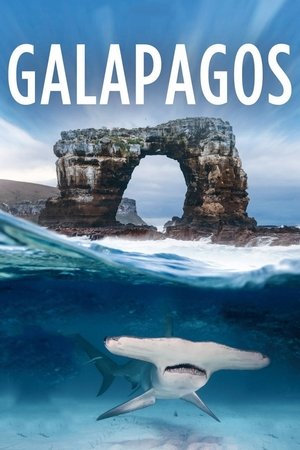
Galapagos
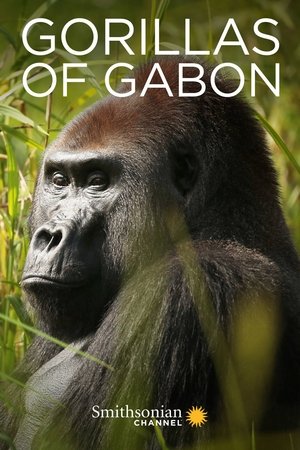
A race is on to save Gabon’s Moukalaba-Doudou National Park and the silverback gorillas that call it home. Once, this area was protected by a thriving oil industry, but now, big companies are moving out and the logging industry is poised to move in. Ecotourism could be the only way to prevent the trees of this rainforest from coming down, but a team of conservationists needs to make the gorillas of Gabon tolerant of humans first. Follow them as they get up-close with the gorillas, study their moves, and journey to war-torn Central African Republic to learn the secrets of successful gorilla habituation.
Oriental Honey Buzzard (Pernis ptilorhynchus) is one of the raptors in Taiwan that specifically builds their nests in “ferns”. While other buzzards migrate between cold northern continent and warm southern islands, they prefer to propagate in Taiwan. Ninety-nine Peaks is their major habitat. With different feather colors, this species can only be distinguished from other birds by their long narrow beak and sharp claws. However, it is certain that all oriental honey buzzards love to eat pupa of bees. The Oriental Honey Buzzard of Ninety-nine Peaks is a documentary produced by Raptor Research Group of Taiwan and published by Forestry Bureau, Council of Agriculture Executive Yuan in 2011. This film not only was nominated in the 34th Montana International Wildlife Film Festival but also won the first –run film in the National Ecological Film Festival and the Best Animal Behavior Award at the 2011 Japanese Wildlife Film Festival.
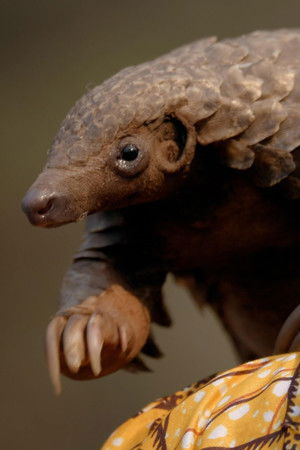
Pangolins are unique, bizarre, adorable creatures, but due to the demand for their scales on the illegal market, they’re also the most trafficked animal in the world. To turn the tide, wildlife veterinarian Elias Mubobo knows the solution rests in the hands of the local community — many of whom have never seen a pangolin in the wild.