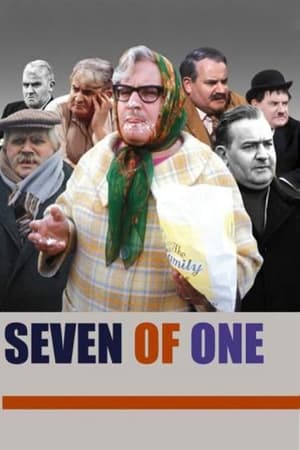
Seven of One is a 1973 BBC2 comedy anthology starring Ronnie Barker. 7 of 1 is a series of seven separate comedies that would serve as possible pilots for sitcoms, three of which were picked up for a full series run. Originally called Six of One, which Barker planned to follow up with another series called Half Dozen of the Other.
An anthology of 1920s set plays and musicals, transmissioned from 10 September to 10 December 1968 on BBC One.
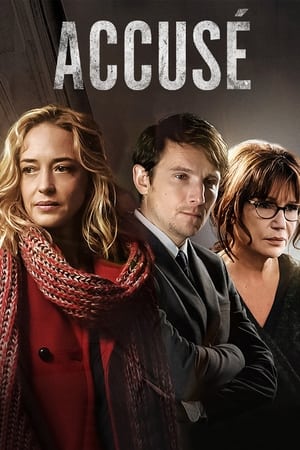
Six stories about six people facing accusations in court.
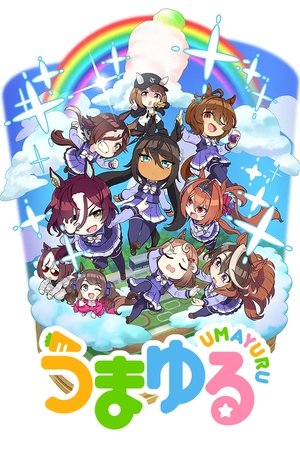
The Umamusume are up to their usual hijinks—in teeny-tiny chibi form! Each 3-minute short in this miniseries is packed with silly fun, where you can't help but cheer ALL the racers on!
Fictional stories about Chilean historical events that shook the country through joy, horror, excitement or sadness, and where the great virtues and defects of its national idiosyncrasy were expressed, that marked the lives of many people.
Natsuna Kunugi, a university student in Tokyo, visits Kumamoto in search of friends who she could not contact following the Kumamoto earthquakes. There, she meets local people who are full of compassion and uniqueness, including the energetic junior high school student, Izumi. A heartfelt coming-of-age story begins.
An anthology series featuring stories that delve into the world of horror, mystery, suspense, sci-fi and dark humor.
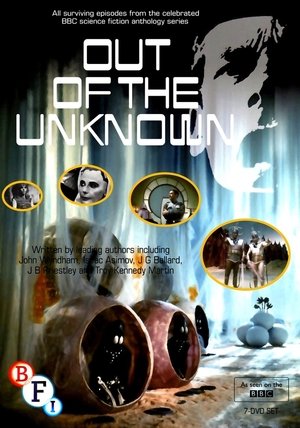
Out of the Unknown is a British television science fiction anthology drama series, produced by the BBC and broadcast on BBC2 in four series between 1965 and 1971. Each episode was a dramatisation of a science fiction short story; some were created for the series, but most were adaptations of already published stories. The first three years were exclusively science fiction, but that genre was abandoned in the final year in favour of horror and fantasy. A number of episodes were wiped during the early 1970s, as was standard procedure at the time.
A weekly anthology of inspiring stories, featuring the life experiences of famous personalities – and ordinary people – who loved and lost on their way to success.
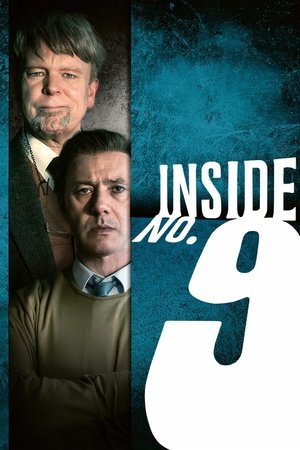
An anthology of darkly comic twisted tales, each one taking place behind a door marked 'number 9'.
An anthology series following the misadventures of Queer 20-somethings navigating adulthood all connected via the hot new app Queer Memoirs, while getting unsolicited advice from @GayJesus.
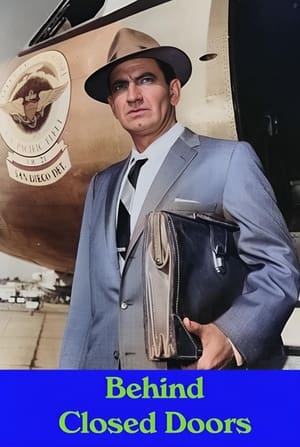
Behind Closed Doors is an American drama series set during the Cold War hosted by and occasionally starring Bruce Gordon in the role of Commander Matson. The series, which aired on NBC from October 2, 1958, to April 9, 1959, focuses, among other themes, on how the former Soviet Union stole American missile secrets and proposes steps to prevent further espionage. Behind Closed Doors is based on the files and experiences of Rear Admiral Ellis M. Zacharias, who offers comments at the end of each segment. Behind Closed Doors, a Screen Gems production, replaced Jackie Cooper's sitcom The People's Choice, followed the NBC quiz show, Twenty-One, and preceded the The Tennessee Ernie Ford Show. Its competition was The Pat Boone Chevy Show on ABC and Dick Powell's Zane Grey Theater western anthology series on CBS.
A parody series featuring the entire cast of The Melancholy of Haruhi Suzumiya in a smaller form factor. Among the changes are: Yuki plays eroge, Haruhi is even more obnoxiuous and loud, Mikuru is even more emotional and Koizumi harbors a deep love for Kyon. Kyon, on the other hand, is generally the same as ever.
Kraft Suspense Theatre
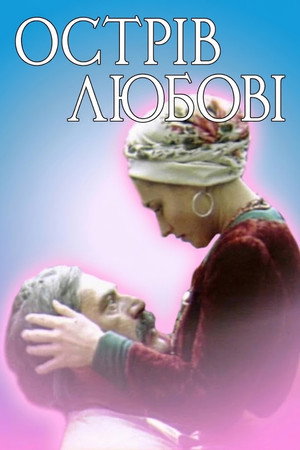
The series includes ten films based on love and erotic texts of Ukrainian literature from the mid-19th century to the present day. The films explore love as a multidimensional phenomenon. This is a kind of retrospective section of the history of society, culture, and art.
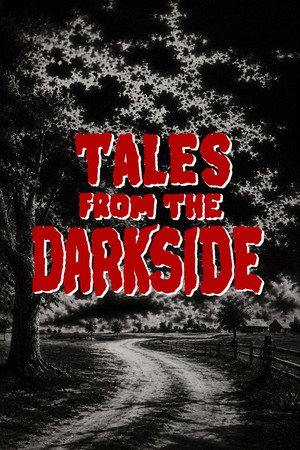
Tales from the Darkside is an anthology horror TV series created by George A. Romero, each episode was an individual short story that ended with a plot twist. The series' episodes spanned the genres of horror, science fiction, and fantasy, and some episodes featured elements of black comedy or more lighthearted themes.
Four Star Playhouse is an American television anthology series that ran from 1952 to 1956, sponsored in its first bi-weekly season by The Singer Company; Bristol-Myers became an alternate sponsor when it became a weekly series in the fall of 1953. The original premise was that Charles Boyer, Ida Lupino, David Niven, and Dick Powell would take turns starring in episodes. However, several other performers took the lead from time to time, including Ronald Colman and Joan Fontaine. Blake Edwards was among the writers and directors who contributed to the series. Edwards created the recurring character of illegal gambling house operator Willie Dante for Dick Powell to play on this series. The character was later revamped and spun off in his own series starring Howard Duff, then-husband of Lupino. The pilot for Meet McGraw, starring Frank Lovejoy, aired here, as did another episode in which Lovejoy recreated his role of Chicago newspaper reporter Randy Stone, from the radio drama Nightbeat.
Prudential Family Playhouse is an American anthology drama series that aired on live CBS from October 1950 to March 1951.
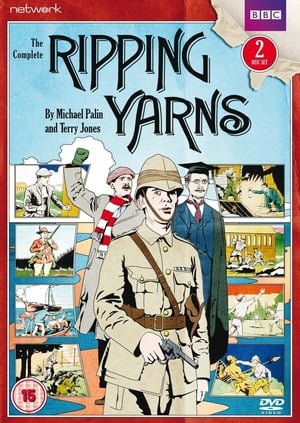
A British television comedy series, written by Michael Palin and Terry Jones of Monty Python fame. Following an initial pilot episode in January 1976, it ran for two subsequent series of five and three episodes in October 1977 and October 1979 respectively. Each episode had a different setting and characters, looking at a different aspect of British culture and parodying pre-World War II literature aimed at schoolboys.
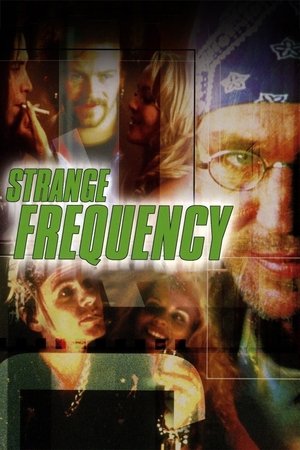
Strange Frequency is an American television horror anthology series broadcast on VH1 for one season in 2001. The series was hosted by Roger Daltrey, former frontman for the British rock band The Who, and consisted of 12 standalone episodes, each revolving around a musical theme.