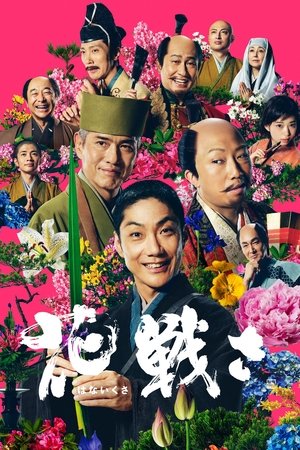
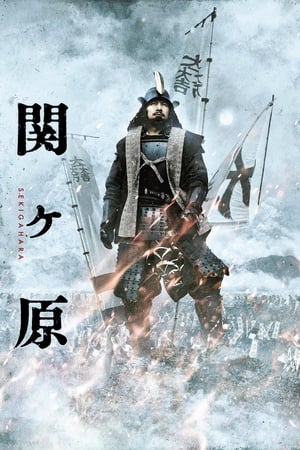
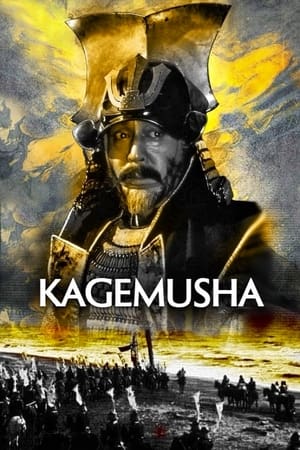
In Tensho 9, as Oda Nobunaga nears the unification of Japan, he assigns trusted generals to conquer remaining regions. Meanwhile, a peasant farmer named Sahei, resembling Nobunaga, is chosen by Hideyoshi and Sen no Rikyu to act as Nobunaga’s shadow. Furious at the idea of a double, Nobunaga confronts Sahei, who courageously performs the "Atsumori" dance, impressing Nobunaga enough to accept him as his Kagemusha. Sahei’s first test as the shadow warrior comes at a memorial service for the Oda family.
Chushingura has been made into a movie several times before, but this time it will be presented in a widescreen version with all natural colors and a new look. Written by Masato Ide and directed by Tatsuo Osone. This is a magnificent scroll of images that depicts on a grand scale the triumph of the Genroku era that shook the citizens of Edo, the peaceful capital of Japan. The top stars of the film, shinpa, shingeki, and kabuki worlds at the time of production were lavishly cast, and a huge budget was invested to create a large set for this highly acclaimed and moving epic.
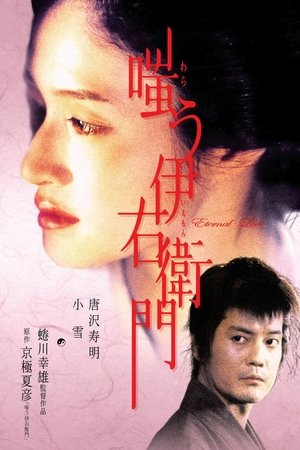
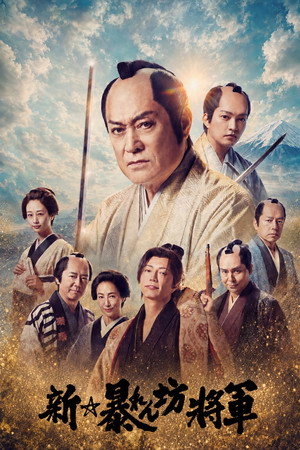
Yagyu Jubei, the finest swordsman in the land, is called upon to bare his blade to help Iemitsu keep his post. Meanwhile a fishmonger named Isshin Tasuke who bears an amazing resemblance to Shogun Iemitsu may be called upon to put his life on the line by acting as the Shogun's double. At the same time, the tragic story of Banzuiin Chobei and Mizuno Jurozaemon is unfolding.
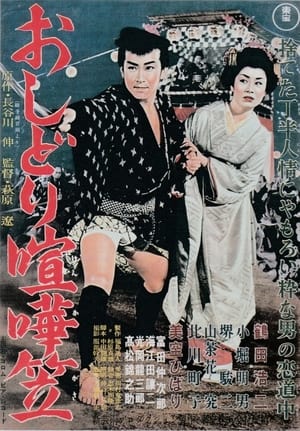
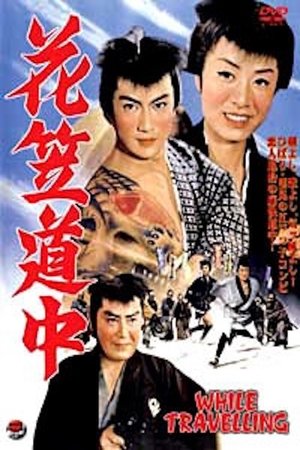
This is one of the many films based on the legend of Chuji Kunisada, a wandering gambler and a defender of the weak in the Edo period. In other words, he was the Japanese Robin Hood. In this film Kunisada (Chiezo Kataoka) arrives to a small town terrorized by an evil gang. He insists that he is not Kunisada, as the word is Kunisada has been executed, but of course the audience know better. Sonny Chiba plays an unusual supporting role as a helpless young man unable to defend himself from the gangsters. He does, however, get to play taiko drums and dance with Junko Fuji (who makes her film debut here). Chiba's father, an old judge who helps Kunisada, is played by Takashi Shimura. The film hardly anything exceptional, but it's a pretty decent jidai geki / yakuza drama.
A samurai answers a village's request for protection after he falls on hard times. The town needs protection from bandits, so the samurai gathers six others to help him teach the people how to defend themselves, and the villagers provide the soldiers with food.
In the third entry into this mega-hit series, Isshin Tasuke, a spirited fishmonger in Edo who looks just like Shogun Iemitsu undergoes a series of unforeseen troubles in his newly wedded life.
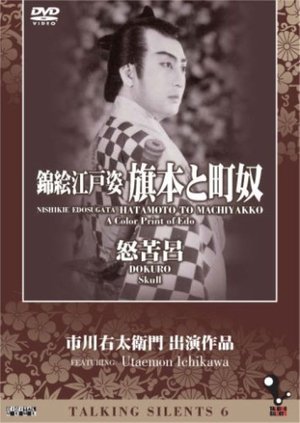
The Color Print of Edo is a 1939 black and white Japanese silent film with benshi accompaniment directed by Kazuo Mori. It is a cheerful period drama, sprinkled with comical scenes and tells the story of a loyal and handsome Edo period servant who fights to help his older brother marry the woman he loves. The star of this film, Utaemon Ichikawa, gained enormous popularity for his portrayal of a cheerful and chivalrous man.
The story of Ryoma Sakamoto, considered to be the architect behind the downfall of the Tokugawa shogunate. He was considered an outlaw by his own clan, hunted by his government, and was despised by supporters of the Shogun as well as the Loyalists for desiring the opening of Japan to the West in order to learn its technology, in the hopes of one day defeating the West with a modern army and navy.
One evening, when the monk Saito Musashibo Benkei was luring for his sword number 1000 at Gojo bridge, Shanao (later Yoshitsune), a young man of small and fragile stature passed by. He wore a nice sword and played the flute.
Down-on-his-luck veteran Tsugumo Hanshirō enters the courtyard of the prosperous House of Iyi. Unemployed, and with no family, he hopes to find a place to commit seppuku—and a worthy second to deliver the coup de grâce in his suicide ritual. The senior counselor for the Iyi clan questions the ronin’s resolve and integrity, suspecting Hanshirō of seeking charity rather than an honorable end. What follows is a pair of interlocking stories which lay bare the difference between honor and respect, and promises to examine the legendary foundations of the Samurai code.
Kanichiro Yoshimura is a Samurai and Family man who can no longer support his wife and children on the the low pay he receives from his small town clan, he is forced by the love for his family to leave for the city in search of higher pay to support them.
A powerful priest uses his magical abilities to imprison the rain gods within a waterfall, causing a devastating drought. The imperial court sends a princess to his remote mountain retreat to seduce him and break his spiritual concentration.
Nakazo is forced by his foster mother, Shun, to practice dance intensively. He is bullied in the Kabuki world, and worries about his future as an actor.
In 16th century Japan, peasants Genjuro and Tobei sell their earthenware pots to a group of soldiers in a nearby village, in defiance of a local sage's warning against seeking to profit from warfare. Genjuro's pursuit of both riches and the mysterious Lady Wakasa, as well as Tobei's desire to become a samurai, run the risk of destroying both themselves and their wives, Miyagi and Ohama.
The fate of Tokugawa’s world hangs in the balance as Yagyu Jubei is sent on a mission to discover what happened to 10 of the shogun’s spies that never returned. Matsukata Hiroki, one of the last surviving members of the Golden Age of Japanese Cinema proves that he has not lost a step as he portrays an older and wiser Yagyu Jubei in a movie that brings the best of samurai filmmaking into the 21st century. Summoned from semi-retirement by Shogun Iemitsu, Jubei is asked to take to the road and investigate a clan rumored to be preparing explosives for a rebellion. With help from a beautiful female ninja they head into the Shirakawa domain where the fighting skills of both are tested time and again as they strive to destroy a conspiracy that could bring a new Warring States Era. In the 1960's Yagyu Jubei was the signature role of the great Konoe Jushiro, father of Matsukata Hiroki. This brings the character full circle.
In a poor district of Edo lives a young samurai named Soza. He has been sent by his clan to avenge the death of his father. He isn't an accomplished swordsman however, and he prefers sharing the life of the residents, teaching the kids how to write etc. When he finally finds the man he is looking for, he will have to decide whether he follows the way of the samurai or chooses peace and reconciliation.
A look at the relationship between a young blind samurai and his wife, who will make a sacrifice in order to defend her husband's honor.
In the Edo period, a nameless ronin accepts an assignment to go to a mountain pass and wait. Near the pass he stops at an inn where a collection of characters gather, including a gang set on stealing shogunate gold that's soon to come over the pass. When the Ronin's assignment becomes clear, to help the gang, he's ordered to kill the inn's residents, including a woman he's rescued from an abusive husband. He's reluctant to murder innocent people; then he learns that the gold shipment is a trap and he's part of a double cross. How he sorts through these divided loyalties tests of his samurai honor, and perhaps of his love for a woman.
Set during Japan's Shogun era, this film looks at life in a samurai compound where young warriors are trained in swordfighting. A number of interpersonal conflicts are brewing in the training room, all centering on a handsome young samurai named Sozaburo Kano. The school's stern master can choose to intervene, or to let Kano decide his own path.
Utaemon Ichikawa plays the role of Hikoshiro Navate, who has a strong sense of justice and opposes power and tyranny with his will and spirit.