UKIP: The First 100 Days is a 2015 mockumentary which was broadcast on Channel 4 in the United Kingdom on 16 February 2015, and in the run-up to the May 2015 general election. It tells the fictional story of how the country would be run if the UK Independence Party (UKIP), a Eurosceptic party, were to win the election and its leader Nigel Farage become Prime Minister. The programme is filmed in the style of a fly-on-the-wall documentary that follows UKIP's first female Asian MP as she struggles with the party's stance on immigration amid mounting public discontent with its hardline policies. The role of Deepa Kaur, who is elected to serve as MP for the Romford constituency, is played by Priyanga Burford.
Register a popular celebration related to a battle fought in the city of Irani, starting point of Contestado War at Santa Catarina State, Brazil in 1912.
The enigma of the personality cult is revealed in the grand spectacle of Stalin’s funeral. The film is based on unique archive footage, shot in the USSR on March 5 - 9, 1953, when the country mourned and buried Joseph Stalin.
A documentary shot by filmmakers all over the world that serves as a time capsule to show future generations what it was like to be alive on the 24th of July, 2010.
In 1977, a book of photographs captured an awakening - women shedding the cultural restrictions of their childhoods and embracing their full humanity. This documentary revisits those photos, those women and those times and takes aim at our culture today that alarmingly shows the need for continued change.
Audre Lorde, the highly influential, award-winning African-American lesbian poet came to live in West-Berlin in the 80s and early '90s. She was the mentor and catalyst who helped ignite the Afro-German movement while she challenged white women to acknowledge and constructively use their privileges. With her active support a whole generation of writers and poets for the first time gave voice to their unique experience as people of color in Germany. This documentary contains previously unreleased audiovisual material from director Dagmar Schultz's archives including stunning images of Audre Lorde off stage. With testimony from Lorde's colleagues and friends the film documents Lorde's lasting legacy in Germany and the impact of her work and personality.
Jonathon "The Impaler" Sharkey threw himself into the race for Minnesota governor on January 13, 2006. His "coming out" to the media as a Hecate Witch, Satanic Dark Priest and Sanguinary Vampire grabbed international attention, and his candidacy marked the beginning of the largest amount of media coverage ever given to an unknown third party candidate running for governor in American history.
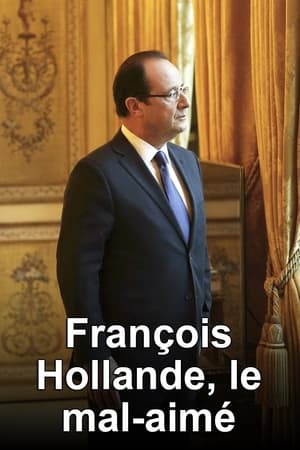
In a series of long interviews, 12 prime ministers talk about their experience in the upper echelons of power. The function of prime minister, torn between the president and the parliament, appointed without necessarily being elected but responsible for everything, is at the center of debate. With the exception of Jacques Chirac (1974-1976 and 1986-1988), deliberately left out because of his image as French President, those who governed France for the past 35 years agreed to discuss the exercise of power, as seen through archive footage, but also how they experienced it personally. Filmed in the same studio and sitting in the same chair, 12 French prime ministers talk freely about their time in office, from their appointment until their resignation.
The film follows the 2023 raid by the Seoul Central District Prosecutors' Office on investigative outlet Newstapa. Director Kim Yongjin, its former head, traces a pattern of political prosecutions against critical journalists—from reports on Yoon Suk-yeol to Cho Kuk and Kim Keon-hee. Combining on-site footage, journalist testimonies, and legal records, the film reveals how special funds were used to pressure the media, silence dissent, and manipulate public opinion. It is a powerful reminder of the ongoing struggle to protect press freedom and democratic values in South Korea.
Comedian Jolyon Rubinstein is on a mission. He wants to find out why the Facebook generation is so disengaged from politics. With the general election just around the corner, according to a recent survey less than a quarter of under 25s plan to vote. Is this just apathy and ignorance? Or is something else going on? The film is packed with stunts, pranks and some pretty serious interviews in which Jolyon seeks to find the answers. On the way he takes a fire engine armed with fireproof underpants to Conservative Party HQ ('liar, liar, pants on fire'); visits UKIP HQ to use his lie-detecting test to help Nigel Farage root out members hiding a BNP past; takes a union leader a statue of Ed Miliband as Wallace to thank him for getting Ed elected Labour leader - a present from the Conservatives; and tries to raise £50k to have dinner with the PM - it's the going rate for Tory Party donors, he learns.
Sur la voie du train d'or nazi
Clarissa is a driven, straight-talking single Black mother and social warrior in Oakland, California. Becoming unhoused with an infant inspired her to champion childcare and preschool as a human right. Funny and irreverent, Clarissa's infectious energy pulls us along as she presses forward, with fortitude gained through effort and loss. But juggling this work with raising a young son pushes Clarissa into a personal healthcare crisis far too common among stressed, working mothers, especially women of color. Clarissa's Battle follows her journey as a community leader, political candidate and time-stretched mother as she fights for the health and dignity of children and their parents nationwide. This isn't just Clarissa's battle - it's our battle, too.
In the second film, the author tells about the struggle of blacks for the right to feel equal with all US citizens. Commentary of the mayor of Cairo, one of the cities in the American South, about the suppression of the rebels, about the most brutal methods of fighting African American protesters. Jesse Jackson's speech. Jesse Jackson's commentary on the Black Rights Organization. Comments by female residents of Jackson, the capital of Mississippi, on the degree of mental development of whites and blacks. A story about the Ku Klux Klan, about Robert Shelton - the head of the Ku Klux Klan. Speech by American singer and dramatic actor Paul Robson, his commentary. Shots of the Olympics, victories in the competition of black athletes. About reprisals against Negro organizations. The widow of the American writer Ernest Hemingway Mary and the American scientist Henry Winston speak out about support for African Americans and the fight against racism.
Families remember. The prosecutor warns of imminent danger. Victims and citizens share experiences, feelings, and warnings about a regime seeking to perpetuate itself once again. The daughter's crimes are added to the father's burden. Voices from the present and the past intertwine in a country that seems eternally condemned to suffer the same dynasty time and time again.
Iași, capitala Sacrificiului!
A sharp, humorous examination of Almedalen Week in the Gotland province of Sweden, an annual event where thousands of politicians, lobbyists, and citizens gather for the ultimate showcase of political theater.
Hong Kong ne répond plus
The film accompanies the investigation of the historian Sidney Aguilar after the discovery of bricks marked with Nazi swastikas in the interior of São Paulo. They then discover a horrifying fact that during the 1930s, fifty black and mullato boys were taken from an orphanage in Rio de Janeiro to the farm where the bricks were found. There they were identified by numbers and were submitted to slave labour by a family that was part of the political and economic elite of the country and who did not hide their Nazi sympathizing ideals.
A look at the gritty world of New York through the eyes of Sheldon Nadelman, bartender at the old Terminal Bar. A follow up to the prize winning short from 2002.
The filmmaker presents the living conditions of the Sahrawi people who survive in refugee camps in the middle of the desert. These series of animated short-films use interviews and recounts the history of the construction of the separation wall, called the Wall of Shame, to report on the terrible situation in Western Sahara but also on the richness of its culture.