In the summer of 1963, François Mitterrand was going through a deep existential crisis. His political career was at a standstill and, after 19 years of marriage, the couple had grown apart. It was at this point that François Mitterrand met the woman who was to give new meaning to his life. Anne Pingeot, aged 19, was to become the companion of a lifetime, a woman who would be with him throughout his rise to power and who would remain by his side until his last breath. For the first time, Anne Pingeot has agreed to allow the fragments of this passionate love story — hundreds of letters and a diary — to be shown on television, before being donated to the National Library.
In 1992, at the height of the AIDS pandemic, activist Terence Alan Smith made a historic bid for president of the United States as his drag queen persona Joan Jett Blakk. Today, Smith reflects back on his seminal civil rights campaign and its place in American history.
Der Taylor-Swift-Effekt: Pop-Ikone und politische Hoffnungsträgerin
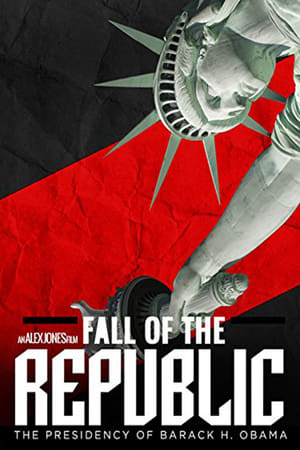
Fall Of The Republic documents how an offshore corporate cartel is bankrupting the US economy by design. Leaders are now declaring that world government has arrived and that the dollar will be replaced by a new global currency.
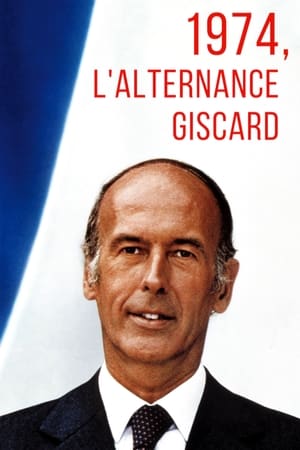
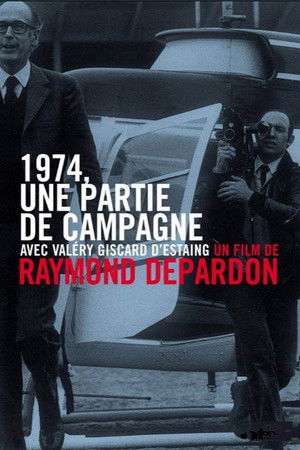
Following the 1974 French presidential campaign with Valéry Giscard d’Estaing.
This observational documentary follows the men behind the Super-PACs that persuaded Dr Ben Carson to run for President. Believing Carson can save the Republican Party, they successfully draft him to run, raise millions of dollars and catapult him to the top of the polls. However, as Carson's political inexperience begins to show, his constant media gaffes make fundraising increasingly difficult. Donors and voters abandon Carson's campaign as wallets close, hearts open and faith is tested. As Trump inexplicably rises, the campaign descends into chaos and the PACmen begin to wonder - did they pick the wrong savior?
Let's look back at the 18th presidential vote. The 13,500 ballot boxes were taken to 251 ballot count locations and were sorted by 1,300 automatic ballot openers. The chairman announced the sorted data and soon it was announced to the public. But something strange happened. The 251 ballot count locations found 'a number' that have the same pattern. Scientists, mathematicians, statistician and hackers from all over the country start looking into the secret of 'this number'. The result is tremendously shocking...
After tasteless tweets about the Trump assassination, Sebastian "El Hotzo" Hotz was the butt of everyone's jokes. Now he has the chance to make amends: he is to travel to the USA and apologize to the Americans in person.
Balladur-Chirac, mensonges et trahisons
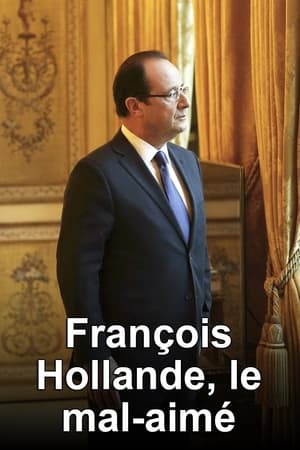
François Hollande, le mal-aimé
An insightful documentary that offers a comprehensive exploration of the lesser-known facets of Donald J. Trump. "The Man You Don’t Know" features interviews with prominent figures, including Donald Jr., Kimberly Guilfoyle, Eric and Lara, and granddaughter Kai. Their candid reflections, combined with perspectives from long-time friends, business partners, and notable personalities such as Hulk Hogan and Kyle Forgeard of the Nelk Boys, provide an intimate glimpse into Trump’s character. The documentary will also highlight stories from everyday Americans who have felt the impact of Trump's generosity.
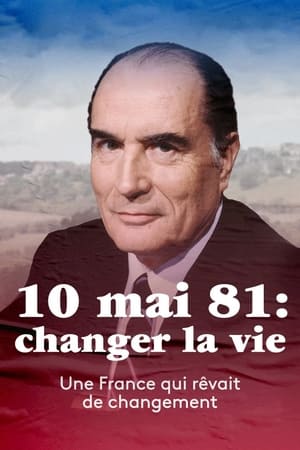
Fourty years ago, in May 1981, with François Mitterrand's election, some people were letting themselves dream about a better life while others were predicting the coming of soviet tanks upon the Champs-Élysées. If we gladly remember the turning point of austerity in 83, there were also the wage rises, the fifth week of paid leave, the abolition of death penalty, the decriminalisation of homosexuality, or the advent of independent radio stations. Rare archives and accounts by those who were at the heart of this story give an overview of it and shed light on lesser-known aspects.
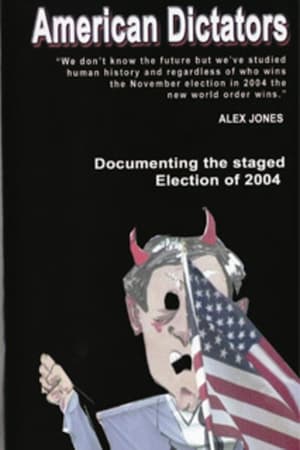
In Alex Jones' 11th feature documentary, made in 2004, Alex documents the major candidates in the staged 2004 United States presidential election.
In South Korea, 2002, the Democratic Party put the presidential nomination to a plebiscite for the first time. Amongst numerous candidates, the one who brought about the most unexpected result was a fringe candidate named Roh Moo-hyun.
In the hours leading up to Donald Trump’s unexpected victory on Election Day 2016, a cross-section of Americans go about their radically different lives: in Washington DC, Hillary Clinton’s Director of Video giddily anticipates a clean victory; in Massachusetts, a married couple who own a small business spar over how quickly Trump would be able to make America great again; in Utah, a Mormon mother canvases for a third party candidate; in West Virginia, a coal miner worries that the election could lead to the loss of his industry; in San Jose, a Mexican American “Dreamer” worries that the election could lead to deportation; in Alabama, a recently exonerated death row inmate celebrates his first time voting in over 30 years; and in Philadelphia, NPR’s Dave Davies follows the news of the day as it unfolds. As the country braces itself for a surprising turn of events, what emerges is a portrait of American democracy in all its chaotic glory.
대한민국은 국민이 합니다
Offering unprecedented access to the 20 days leading up to the 2025 Presidential Inauguration — through the eyes of the First Lady-elect herself — step inside Melania Trump's world as she orchestrates inauguration plans, navigates the complexities of the White House transition, and reenters public life with her family. With exclusive footage capturing critical meetings, private conversations, and never-before-seen environments, Mrs. Trump returns to one of the world's most powerful roles.
A documentary focused on the 2016 United States presidential election and then-candidate Donald Trump's supporters.
A propaganda short about the 1944 United States presidential election, produced by the Office of War information, for overseas distribution. It is meant to explain how the democratic process in America works. Preserved by the Academy Film Archive in 2007.
Moscow, January 1996. Boris Yeltsin gets ready to run for a second mandate of the presidency of the young Russian Federation. Polls are in the single digits. A painful economic transition, war in Chechnya, and the rise of criminal groups have left the majority of Russians dissatisfied with Yeltsin… and willing to vote for the communist leader Gennady Zyuganov. Yet six months later, Yeltsin won the election with nearly 54% of the vote. How did that happen?