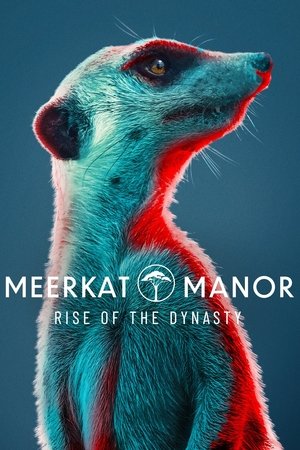
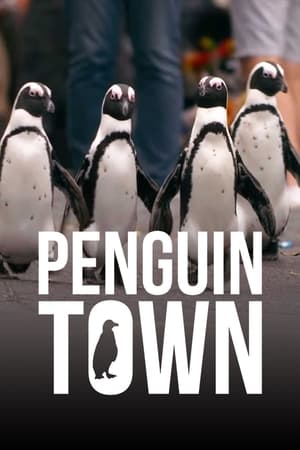
Exploring the vital role colour plays in the daily lives of many species.
From the Taiga to the Tundra to the Arctic Ocean, this series immerses the viewer in the nature of the northern extremities of Europe, beyond the Arctic Circle and into a land of ice and fire. Wildest Arctic captures the awesome cinematic range of the Arctic region, from the creaks, crashes of vast glaciers, to the howls of the wildest wolves and the haunting remoteness of this true wilderness.
See It Now is an American newsmagazine and documentary series broadcast by CBS from 1951 to 1958. It was created by Edward R. Murrow and Fred W. Friendly, Murrow being the host of the show. From 1952 to 1957, See It Now won four Emmy Awards and was nominated three other times. It also won a 1952 Peabody Award, which cited its
Traveling to the far corners of the world, we discover the extraordinary ways animals are adapting to our rapidly changing planet. We witness nature’s remarkable resilience, as our perception of evolution and its potential is forever transformed.
The islands of New Zealand are home to an entirely unique menagerie of creatures. It is a place where the normal rules don't apply - the birds can't fly, a small, ancient lizard is a top predator, parrots play in snowy mountain meadows and penguins roam the streets. Seals battle on the beaches, albatrosses soar on the air currents and a monster movie plays out in miniature among the dense undergrowth of this lush, vital land.
The adventures of lion cubs, elephants, penguins, pangolins and more as they learn to cope with the ups and downs of life in the wild and try their best to reach adulthood in an unforgiving world.
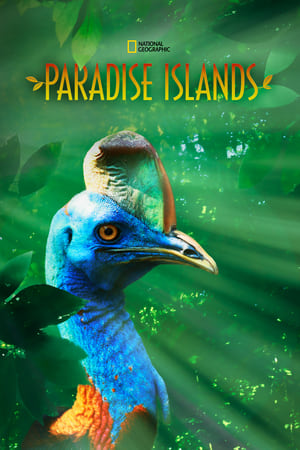
The tropical islands that lie between Asia and Australia are among the biologically richest on earth, and home to a vast number of plants and animals. From tree kangaroos to tarsiers, manta rays to mudskippers, the region abounds with life. But why? The answer lies deep in time, due to the many millions of years these islands have existed - and the power of the earth, the sun and the moon.
In new six-part series Untamed China, wildlife adventurer Nigel Marven explores the country's mountains and grasslands, crosses its greatest deserts and treks through its deepest jungles in search of the rare, little-known and extraordinary creatures that live there. Over half of China's plant and animal species live in Yunnan Province in the far southwest of the country. In episode one, Nigel goes there to explore the ancient city of Dali and the surrounding mountains and forests. He meets some bizarre and deadly reptiles and amphibians, goes on a very unusual fishing trip, enjoys the fairy-tale lifecycle of butterflies and gets up close to highly endangered Yunnan snub-nosed monkeys.
Sitting on top of one of the world’s largest super-volcanos are 3,500 square miles of the most spectacular American wilderness. This summer, National Geographic Channel opens this world to you LIVE with a four-night special event. The action reaches boiling point in the world’s first National Park, Yellowstone.
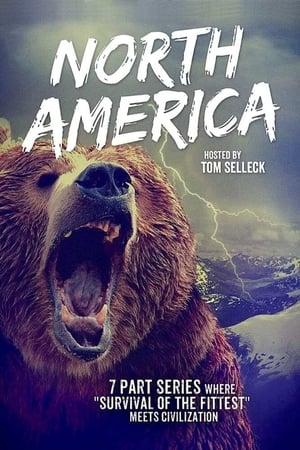
The seven episodes explore North America: where civilization collides with untamed wilderness. Just feet beyond our own backyards rages a spectacle we never see. Join us as we step into this hidden world teaming with life - across impossible mountains and endless deserts. Dive into unexplored forests and crash into rugged coasts. This vast continent offers boundless rewards for those brave enough to take on this land - and call her home.
Capturing the high drama of the Serengeti’s distinctive wildlife up close.
Zoologist Jack Randall journeys into Australia's Outback to encounter extraordinary wildlife.
Australian host Steve Irwin and his wife Terri run a wildlife refuge. Their shared passion is educating the world about wildlife, including the much feared crocodile and numerous venomous snakes. Steve's specialty is the capture and relocation of crocodiles. No animal appears too threatening to Steve, his true respect for animals is the foundation for everything he does.
Millions of years ago, incredible forces ripped apart the Earth’s crust creating seven extraordinary continents. This documentary series reveals how each distinct continent has shaped the unique animal life found there.
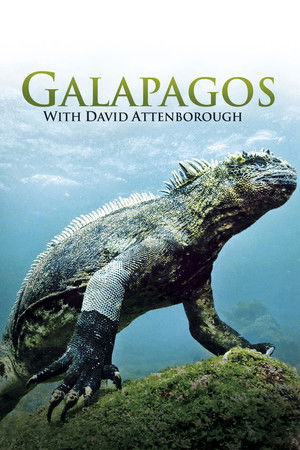
David Attenborough uses pioneering 3D-techniques and technology to explore the unique environments and species of the Galapagos.
Observing badger behaviour at its wildest, with cameras in setts to capture every moment.
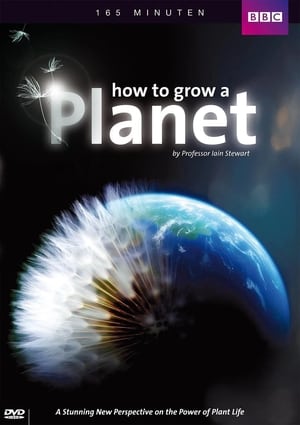
Geologist Iain Stewart explain in three stages of natural history the crucial interaction of our very planet's physiology and its unique wildlife. Biological evolution is largely driven bu adaptation to conditions such as climate, soil and irrigation, but biotopes were also shaped by wildlife changing earth's surface and climate significantly, even disregarding human activity.
Combining fact and informed speculation with cutting-edge computer graphics and animatronics effects, the series set out to create the most accurate portrayal of prehistoric animals ever seen on the screen.
A BBC/Animal Planet co-production, the three-part series focuses on the landscape and wildlife of the Great Rift Valley in East Africa.
Keep an eye on the daily routines, quirky habits and cozy habitats of several baby animals at Cleveland Metroparks.