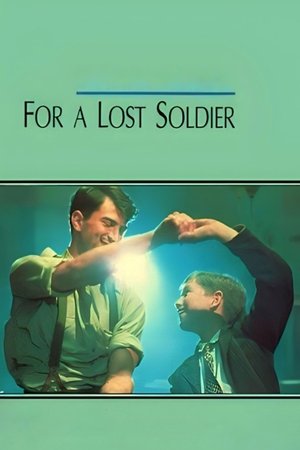
April, 1940. Manolo, 16 years old, and Jesus, who is just 8, are taken by their older brother Pepe, a lieutenant in the Army, to a sanatorium for children suffering from tuberculosis, situated on the border with Portugal. Once in the sanatorium, Manolo, surrounded by boys all much younger than he is, feels a bit like the cock of the walk since the only other man around is the handyman Emilio who looks after the gardens and does whatever needs to be done about the place. His wife, Rafaela, is the cook. Manolo meets Irene, a falangist who runs the sanatorium, and the school teacher, Miss Transito, a crabby spinster. He has his first sexual experience, albeit as a voyeur, with his nurse Vicenta. When she has to leave, her place is taken by a girl from the village, Maria Jesus, with whom Manolo falls hopelessly in love. A relationship grows up between them which will mark them both for ever.
The story of the miraculous evacuation of Allied soldiers from Belgium, Britain, Canada and France, who were cut off and surrounded by the German army from the beaches and harbour of Dunkirk between May 26th and June 4th 1940 during World War II.
Using masterfully restored footage from recently declassified images, The Bomb tells a powerful story of the most destructive invention in human history. From the earliest testing stages to its use as the ultimate chess piece in global politics, the program outlines how America developed the bomb, how it changed the world and how it continues to loom large in our lives. The show also includes interviews with prominent historians and government insiders, along with men and women who helped build the weapon piece by piece.
Brief portrait of a conformist.
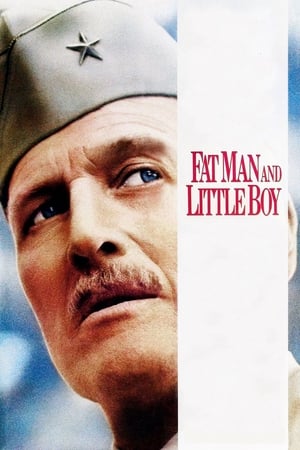
Major Joppolo and his men are assigned to restore order to the war-torn Italian town of Adano. He has to manage getting supplies into town without interfering with troop movements, all the while dealing with colorful citizens of the town. One of his quests is to replace the bell which orders the town's life.
A celebrated New York cabbie is pressed into service for a perilous journey through World War II China.
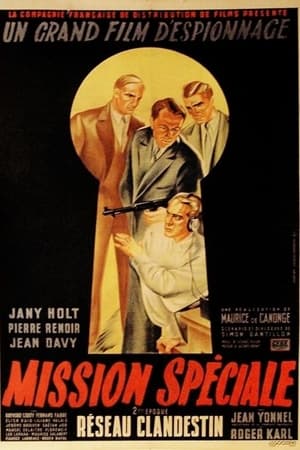
A rich widower impregnates a poor young woman and dumps her. Her brother, member of a resistance group during the Occupation, tries to mend things up.
Professor Saul David uses the BBC archive to chart the history of the world's most destructive war, by chronicling how the story of the battle has changed. As new information has come to light, and forgotten stories are remembered, the history of World War Two evolves. The BBC has followed that evolution, and this programme examines the most important stories, and how our understanding of them has been re-defined since the war ended over 70 years ago.
The true, harrowing story of a young Jewish girl who, with her family and their friends, is forced into hiding in an attic in Nazi-occupied Amsterdam.
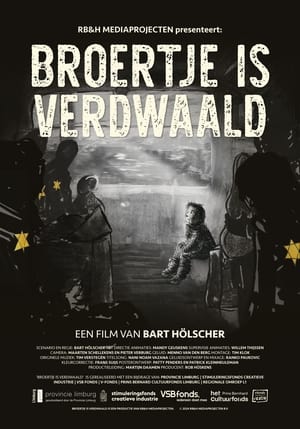
At the end of WWII the Dutch resistance kills a German officer in front of the house of a Dutch family. Years after the war the young boy who witnessed the killing runs into the members of the resistance who committed the killing.
During the last days of World War II, Germany, desperate for any last grasp to defeat the allied powers, looked to their last remaining weapons and soldiers. The German Navy and the last remaining U-Boats were formed together for one desperate last mission – a mission to attack the United States Homeland, known as Operation Seawolf. Captain Hans Kessler, a grizzled submarine commander from both World Wars, is called into service to make one mission a success and help turn the tide of the war.
The love story between German Hilda, who came to Turkey to spy during World War II, and Seyfi, who worked in the Turkish secret agency.
An espionage story set in Türkiye and Germany during the Second World War.
A young Catholic priest from Boston confronts bigotry, Nazism, and his own personal conflicts as he rises to the office of cardinal.
Intercutting dramatic vignettes with newsreel footage, the story follows the characters from an infantry squad as they make their way from Sicily to Germany during the end of World War II.
A documentary exploring how Albanians, including many Muslims, helped and sheltered Jewish refugees during WWII at their own risk, and trying to help the son of an Albanian baker that housed a Jewish family for a year return some Hebrew books that the family had to leave behind.
The Spanish journalist Manuel Chaves Nogales (1897-1944) was always there where the news broke out: in the fratricidal Spain of 1936, in Bolshevik Russia, in Fascist Italy, in Nazi Germany, in occupied Paris or in the bombed London of World War II; because his job was to walk, see and tell stories, and thus fight against tyrants, at a time when it was necessary to take sides in order not to be left alone; but he, a man of integrity to the bitter end, never did so.
Different factions in WWII-era Holland race to find a stash of Nazi gold.
A couple sets up an African game preserve, only to have British and Italian armies fight over the waterholes.
Más allá de la alambrada: la memoria del horror