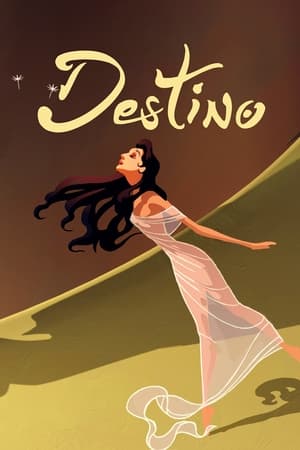
Short film to a song of love lost and rediscovered, a woman sees and undergoes surreal transformations. Her lover's face melts off, she dons a dress from the shadow of a bell and becomes a dandelion, ants crawl out of a hand and become Frenchmen riding bicycles. Not to mention the turtles with faces on their backs that collide to form a ballerina, or the bizarre baseball game.
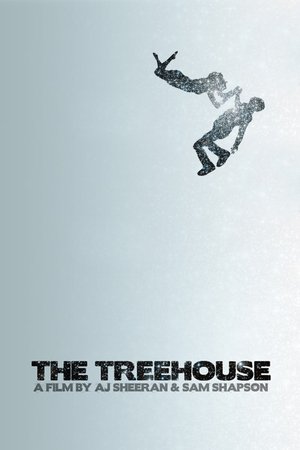
After his mom's funeral, a boy encounters the odd girl next door, who insists they journey through space to find a planet for departed souls.
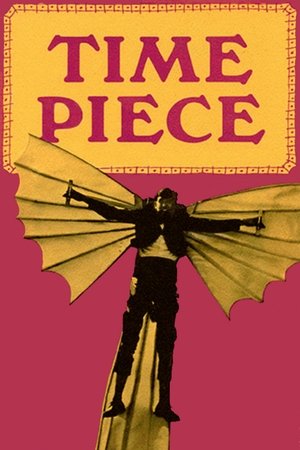
Dislocation in time, time signatures, time as a philosophical concept, and slavery to time are some of the themes touched upon in this 9-minute experimental film, which was written, directed, and produced by Jim Henson. Screened for the first time at the Museum of Modern Art in May of 1965, "Time Piece" enjoyed an eighteen-month run at one Manhattan movie theater and was nominated for an Academy Award for Outstanding Short Subject.
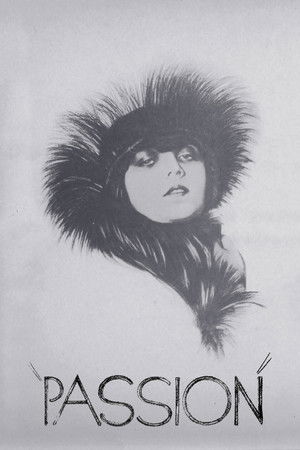
The story of Madame DuBarry, the mistress of Louis XV of France, and her loves in the time of the French revolution.
"Glory Holes" are mostly found in the basements of sex shops, sex clubs, or what are commonly referred to as whore bars. The pleasure is blind, anonymous. He delights in this blindness. "She" is the engine of his fantasies, his fears, his uneasiness and her naive and vain generosity. "He" will be waiting for her every Wednesday. This short film is the first fiction film directed by Guillaume Foirest as part of his graduation thesis at ESRA Nice in 2005. The film was distributed by DVD Pocket and has made many festivals around the world .
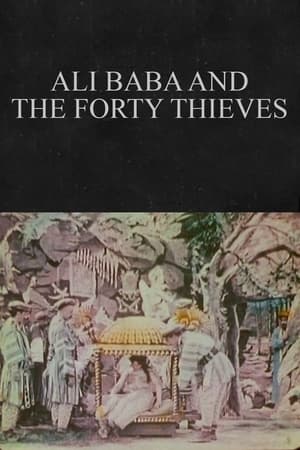
The legend of Ali Baba and the forty thieves: Ali Baba discovers a hidden cave where a band of thieves have stored their enormous treasure. Cassim also learns about the cave, but he is caught by the thieves and put to death. Knowing that their secret has been found out, the thieves devise a trick in an attempt to kill Ali Baba and anyone else who might know about their hiding place.
Bunny, an elderly rabbit who uses a walker, is in her kitchen one night baking a cake. A pesky and persistent moth bangs about the kitchen. Nothing is what it seems.
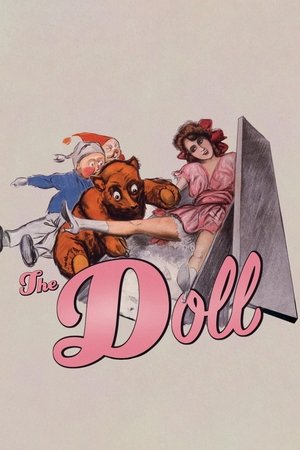
The misadventures of an effete young man who must get married in order to inherit a fortune. He opts to purchase a remarkably lifelike doll and marry it instead, not realizing that the doll is actually the dollmaker’s flesh-and-blood daughter in disguise.
A red ball bounces past a cafe and a couple folks’ houses and then goes to the beach.
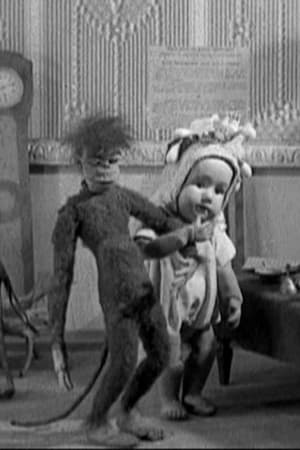
The film is a delightful tale of a spoiled wedding between child's toys which shows Starewicz's typical style of making amusing films appropriate for children without much sentimentality. As in many of his other films, his daughter Nina plays the role of the child.
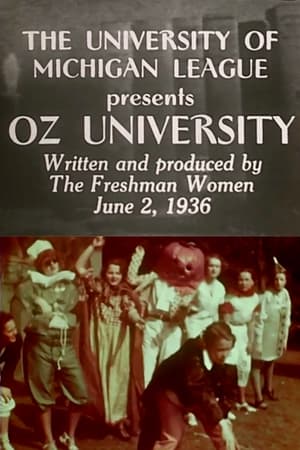
This two-strip Technicolor record of the 1936 freshman pageant, acted out entirely by women, begins with Dorothy escorting the Wizard to the throne, assisted by Ojo, whereupon he looks in the Magic Picture on the University of Michigan, and the typed students complaining about school. The Wizard decides to bring them all to Oz, transforming them into Oz celebrities: Tippetarius, the Scarecrow, Nick Chopper, Tik-Tok, Old Mombi, Jinjur, Scraps, The Shaggy Man, Betsy Bobbin, and Jack Pumpkinhead. After a party and registration, it's on to class with Professor Wogglebug. When Tip and Jack carry him out of the classroom, he subjects them to a blue book exam, after which they wish to return to the U of M. The equivalent characters are not played by the same people, so there transformation, their "true self" appears behind them in the early scenes.
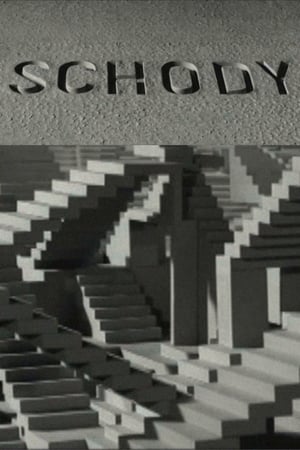
A figure wanders through a world of endless stairs, seeking purpose to his monotonous existence.
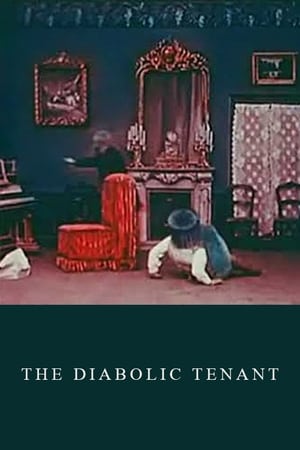
A man rents an apartment and furnishes it in remarkable fashion.
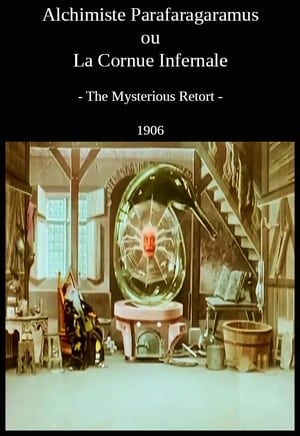
A wizard sleeps at a table in his well-appointed sitting room. From a drawer in the table, a snake appears.
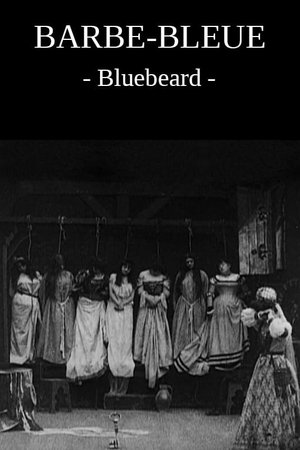
A young woman becomes the eighth wife of the wealthy Bluebeard, whose first seven wives have died under mysterious circumstances.
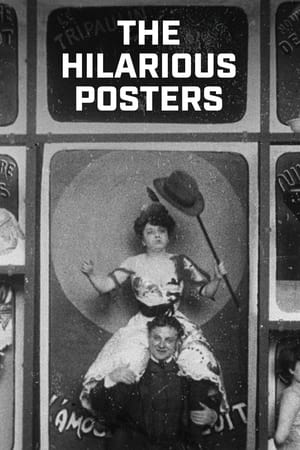
A wall full of advertising posters comes to life.
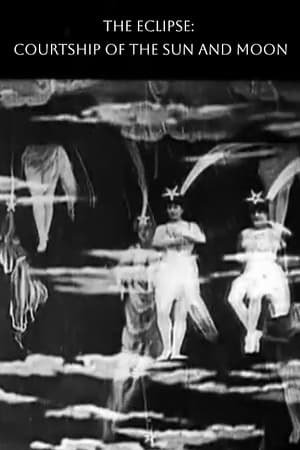
In this film, Méliès concocts a combination fairy- and morality tale about the foolishness of trying to look too deeply into the workings of an unstable and inscrutable universe. At a medieval school, an old astronomer begins to teach a class of young men, all armed with telescopes, about the art of scrutinising an imminent eclipse. When a mechanical clock strikes twelve, all the young men rush to the windows and fix their telescopes on the heavens.
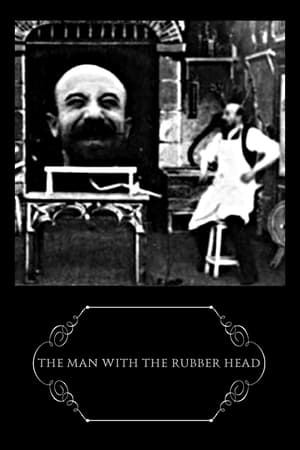
A chemist carries out a bizarre experiment with his own head.
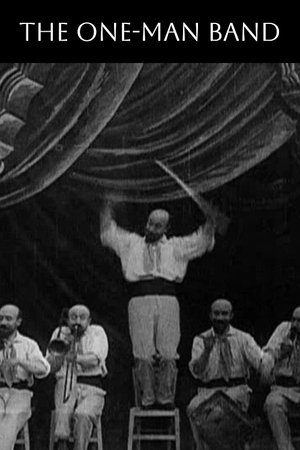
A band-leader has arranged seven chairs for the members of his band. When he sits down in the first chair, a cymbal player appears in the same chair, then rises and sits in the next chair. As the cymbal player sits down, a drummer appears in the second chair, and then likewise moves on to the third chair. In this way, an entire band is soon formed, and is then ready to perform.
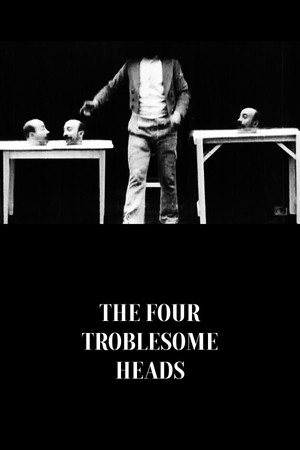
One of the greatest of black art pictures. The conjurer appears before the audience, with his head in its proper place. He then removes his head, and throwing it in the air, it appears on the table opposite another head, and both detached heads sing in unison. The conjurer then removes it a third time. You then see all three of his heads, which are exact duplicates, upon the table at one time, while the conjurer again stands before the audience with his head perfectly intact, singing in unison with the three heads upon the table. He closes the picture by bowing himself from the stage.