In 1988, Tilda Swinton toured round the Berlin Wall on a bicycle - starting and ending at the Brandenburg Gate - accompanied by filmmaker Cynthia Beatt. As Swinton travels through fields and historic neighborhoods, past lakes and massive concrete apartment buildings, the Wall is a constant presence.
This short documentary focuses on the very end of Washington Boulevard, where the city of Los Angeles meets the ocean and the Venice Pier begins. The rough and simplistic concrete pier braves pacific storms and provides stillness and stability. People come to walk, to fish and ease their minds. The film takes a closer look at the diverse people all around the pier. Among them the filmmakers find two citizens, both immigrants, who take us on their personal journey through history.
Margy Kinmonth meets millionaire customers and world-famous designers as she explores the anachronistic but little-explained pocket of the fashion industry known as haute couture.
The film describes the microcosmos of the small village Wacken and shows the clash of the cultures, before and during the biggest heavy metal festival in Europe.
Documentary depicting the lives of child prostitutes in the red light district of Songachi, Calcutta. Director Zana Briski went to photograph the prostitutes when she met and became friends with their children. Briski began giving photography lessons to the children and became aware that their photography might be a way for them to lead better lives.
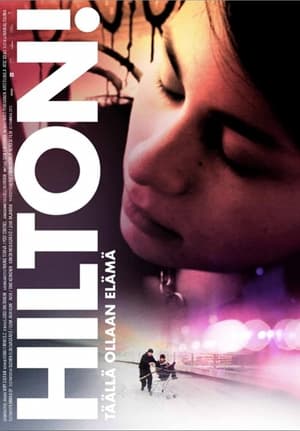
A dual portrait of young drifters on the streets of Odessa, where every day seems the same and the future keeps getting further away.
When a Mongolian nomadic family's newest camel colt is rejected by its mother, a musician is needed for a ritual to change her mind.
In this segment on immigrant cultures for the television program Mosaïque, a young Senegalese woman who cooks in a workers’ hostel dreams of traveling throughout France and getting to know her adopted country, taking issue with the cliché of the impoverished and helpless immigrant.
In the Realms of the Unreal is a documentary about the reclusive Chicago-based artist Henry Darger. Henry Darger was so reclusive that when he died his neighbors were surprised to find a 15,145-page manuscript along with hundreds of paintings depicting The Story of the Vivian Girls, in What is Known as the Realms of the Unreal, of the Glodeco-Angelinnian War Storm, Cased by the Child Slave Rebellion.
A 65-year-old cleaning woman for a professional dancers' exercise studio performs her job while telling us in voiceover about her life, hopes, goals, and feelings. A challenge to mainstream media's ongoing stereotypes of women of color who earn their living as domestic workers, this seemingly simple documentary achieves a quiet revolution: the expressive portrait of a fully realized individual.
A documentary on the once promising American rock bands The Brian Jonestown Massacre and The Dandy Warhols. The friendship between respective founders, Anton Newcombe and Courtney Taylor, escalated into bitter rivalry as the Dandy Warhols garnered major international success while the Brian Jonestown Massacre imploded in a haze of drugs.
A documentary on kids who attend a summer camp hoping to become the next Billy Graham.
John Wayne, Henry Fonda and James Stewart discuss working with John Ford
Menhaden: The Most Important Fish in the Bay examines the role of a little-known, oily, little fish in the Chesapeake Bay. From its original concept as a classic man-versus-environment story, the film evolved to reflect the complexity of sustaining a menhaden fishery that many diverse interests depend on. The outcome: a story that seamlessly weaves together different perspectives on the menhaden fishing industry and its culture utilizing engaging personal vignettes, scientific data and creative visual storytelling techniques. Techniques include archival footage blended with cinematic live-action footage, musical performances and original, handmade animations.
In the familiar surroundings of their everyday lives, they talk about things that matter to them, about experiences that move them, about first love and loss, hopes and fears. 13 adolescents from a school in Donbass which was destroyed during the war in Ukraine, and subsequently rebuilt, share themselves in front of the camera. 13 lives inhabiting an intermediary space, both emotionally and socially.
A Boy Named Sue chronicles the transformation of a transsexual named Theo from a woman to a man over the course of six years. Following Theo's physiological and psychological changes during the process, as well as their effects on his lesbian lover and community of close friends, A Boy Named Sue tells a story about gender identity, relationships, and how even things that seem permanent can change.
After casting painter and video artist Mania Akbari as the central figure of his groundbreaking Ten (2002), and then witnessing her outstanding debut as a feature film director in 20 Fingers (2004), Abbas Kiarostami urged her to direct a sequel to the film. In Dah be alaveh Chahar (10 + 4), though, circumstances are different: Mania is fighting cancer. She has undergone surgery; she has lost her hair following chemotherapy and no longer wears the compulsory headscarf; and sometimes she is too weak to drive. So the camera follows her to record conversations with friends and family in different spaces, from the gondola she had famously used in her first feature to a hospital bed.
A comic, biting and revelatory documentary following a small group of prankster activists as they gain worldwide notoriety for impersonating the World Trade Organization (WTO) on television and at business conferences around the world.
Mona Achache delivers a delicious portrait of her grandmother, Suzanne Achache–Wiznitzer, affectionately nicknamed "Mamé". Short film from the Grandmas Project, a collaborative web documentary that invites filmmakers from across the world to document their grandmothers’ signature recipes.
Four years after a military coup overthrew the Brazilian government in 1964, all civil rights were suspended and torture became a systematic practice. Using a mix of fiction and documentary this extraordinary film is a searing record of personal memory, political repression and the will to survive. Interviews with eight women who were political prisoners during the military dictatorship are framed by the fantasies and imaginings of an anonymous character, portrayed by actress Irene Ravache.