Travelling the Western Front, grave to grave, former All Black Andrew Mehrtens shares the story of the 13 All Blacks killed in WW I.
At the end of the 18th century, hundreds of Indian sailors, known as lascars, worked amongst European settlers in Aotearoa New Zealand - often under the gruesome working conditions of seal hunting gangs. The story follows a lascar, Dasa, who has been abandoned on the coast of Aotearoa NZ by the East India Company, alongside his sealing gang. When Dasa finds himself in the middle of a conflict between his abusive British superior and two Māori traders, he is faced with a choice: bend the knee or take a stand.
A gripping film chronicling Māori in a defiant struggle against systemic racism and colonial injustice to reclaim their fishing rights. Through resilience and legal strategy, they secured their place in the industry, marking a landmark victory for Indigenous sovereignty. Thirty years later, the fight for equity and environmental stewardship continues.
This impressionistic, late 1960s survey traces Auckland from volcanic origins to a population of half a million people. Produced by the National Film Unit, it finds a city of "design and disorder" growing steadily but secure in its own skin as its populace basks in the summer sun. A wry, at times bemused, Hugh Macdonald script and an often frenetic, jazzy soundtrack accompany time honoured Queen City images: beaches and yachting, parks and bustling city streets, and an unpredictable climate given to humidity and sudden downpours. Awards: 1970 Edinburgh Film Festival - Certificate of Merit 1968 Pacific Asia Travel Association Conference (Taiwan) - Third Prize 1967 Venice Film Festival - Lion of St Mark Plaque 1967 Tourfilm Festival (Czechoslovakia) - Tourism Film Prize
From Christchurch, a coach load of visitors tour the southern part of the South Island, visiting the Hermitage Hotel at Mount Cook, Queenstown and district, the Eglinton Valley, Milford Sound, and Dunedin. Also catalogued as 'South Island Coach Tour'.
This is a Labour Party film from 1938, featuring footage from around New Zealand pre 1938. This film predates the National Film Unit and is part of Archives New Zealand's National Film Library Special collection. Parts of this copy of the film have been modified where the original footage was spliced backwards. The original footage is available for viewing on this channel. Archives Reference: AAOJ W5034 513 - B8376 DV file of Beta SP telecini of 16mm Black and white film.
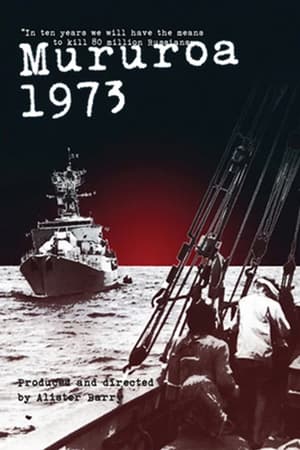
In 1973 Alister Barry joined the crew of a protest boat (The Fri) to Mururoa Atoll, where the French Government were testing nuclear weapons. Barry records the assembly of the crew, the long journey from Northland, and their reception in the test zone; when The Fri was boarded and impounded by French military he had to hide his camera in a barrel of oranges.
The story is a contemporary version of the ancient Greek myth of Electra. Electra is a young girl foreigner in her own land, as well as in other lands. The only place she could seek her identity is her own private world that she tries to create. From Africa to Europe, the film is a puzzle composed by pieces of her broken identity. Electra's very journey is finally her own land.
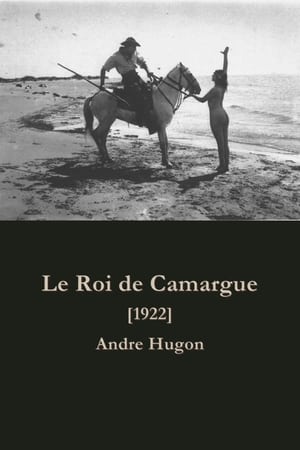
At the mouth of the Rhone, Jacques Renaud and his fiancee Lisette are cursed by a gypsy woman as punishment for their wrong decision.
An ambitious journalist who witnessed a hit-and-run years ago reboots his investigation led by newly emerged clues. As he beats the clock to save the only survivor after her sudden disappearance, layers of unimaginable dark truths around a corrupted system start peeling.
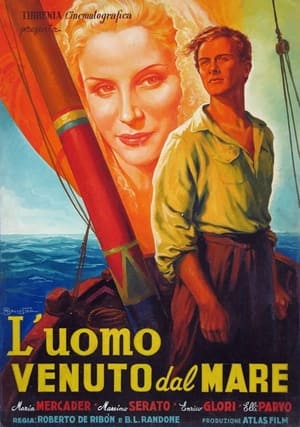
An Italian drama from 1942.
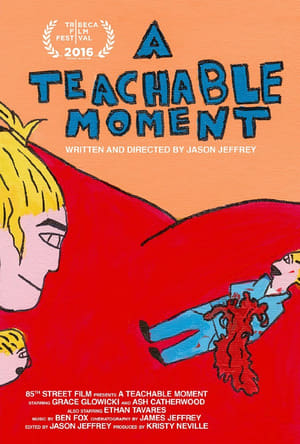
Henry lies at the side of the road, bleeding out from a gunshot wound. A young mother with a bizarre sense of appropriate uses his final moments as a teachable lesson for her 6 year old son.
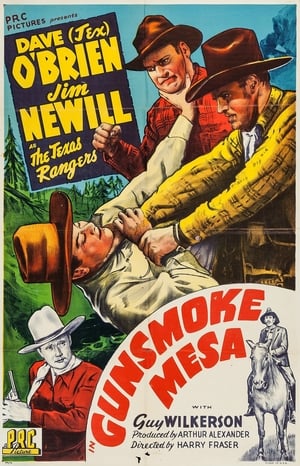
Gunsmoke Mesa
Elise's life takes a sharp turn for the worst when she meets a mysterious and alluring stranger who has more than friendship on his mind - A tale of love, fantasy and obsession.
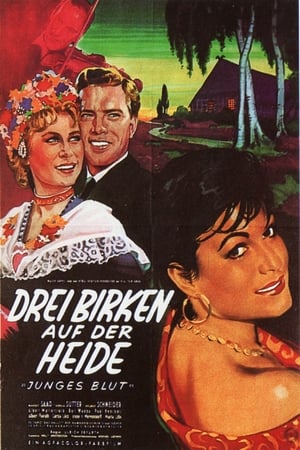
After a long absence, forest ranger Hans Freese returns to the heathland village of Undeloh, where he spent his childhood. Here he meets his childhood sweetheart Rose again. A sophisticated publisher from Hamburg and a group of gypsies cause all sorts of complications, but thanks to these, Hans and Rose are finally able to be together.
The film by a film student making his graduation film about a film student making his graduation film.
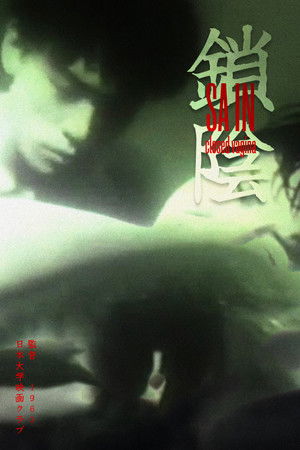
"In medical terminology, absence of genitalia in females is referred to as "gynatresia". In other words, an extreme defect that goes beyond a mere illness" Adachi's follow-up to Bowl using the figure of a woman suffering from an unusual sexual aliment has often been taken as a controversial allegory for the political stalemate of the Leftist student movement after their impressive wave of massive fiery protests failed to defeat the neo-imperialist Japan-US Security Treaty. The ritualistic solemnity of the charged sexual scenes contribute to the oneiric qualities of Closed Vagina which Adachi would later insist was an open work, not meant to deliver any kind of deliberate political message. - Harvard Film Archive
Shortly before the end of the war in 1945, the Allies can already be heard in Nesselbühl in Swabia when three freight cars are uncoupled at the station. The screams of the starving concentration camp prisoners inside can be heard throughout the village, but nobody dares to help them. Only the innkeeper's daughter Anna takes heart...
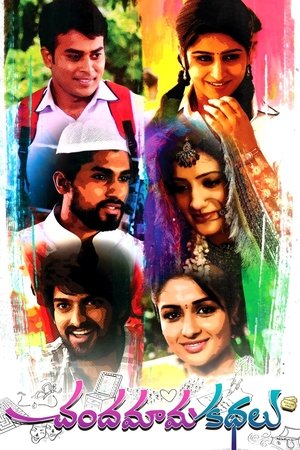
Chandamama Kathalu is an upcoming Telugu anthology film directed by Praveen Sattaru and produced by Chanakya Bhooneti.The film has eight sub-stories revolving around love.The lives of the central characters in the sub-plots get intertwined with each other.Lakshmi Manchu, Aamani, Naresh, Krishnudu, Chaitanya Krishna, Abhijeet, Naga Shaurya, Vennela Kishore, Amitha Rao and Richa Panai play the lead roles.[4] Mickey J Meyer composed the music.The shooting was wrapped up in December 2013.
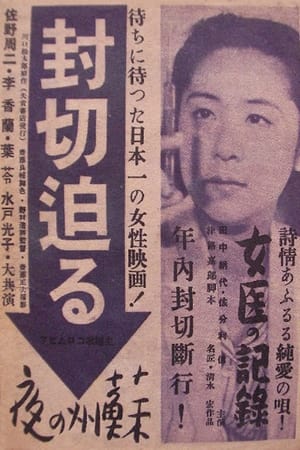
A group of female doctors travel to a remote village during their summer holiday to offer free medical care to villagers. There they must battle prejudice and superstition as much as disease.