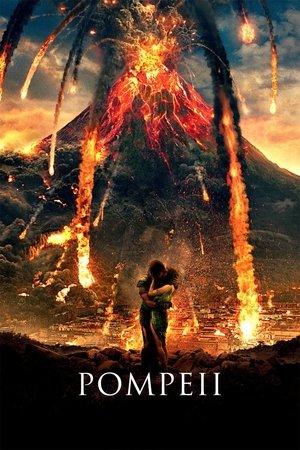
Le récit d’une catastrophe: Pompéi
After the death of the paranoid emperor Tiberius, Caligula, his heir, seizes power and plunges the empire into a bloody spiral of madness and depravity.
The final entry in the Oversimplified second Punic war series. Will knock your togas off.
The story picks up at the point where "The Robe" ends, following the martyrdom of Diana and Marcellus. Christ's robe is conveyed to Peter for safe-keeping, but the emperor Caligula wants it back to benefit from its powers. Marcellus' former slave Demetrius seeks to prevent this, and catches the eye of Messalina, wife to Caligula's uncle Claudius. Messalina tempts Demetrius, he winds up fighting in the arena, and wavers in his faith.
Terry Jones' Barbarians is a 4-part TV documentary series first broadcast on BBC 2 in 2006. It was written and presented by Terry Jones, and it challenges the received Roman and Roman Catholic notion of the barbarian. Professor Barry Cunliffe of the University of Oxford acted as consultant for the series.
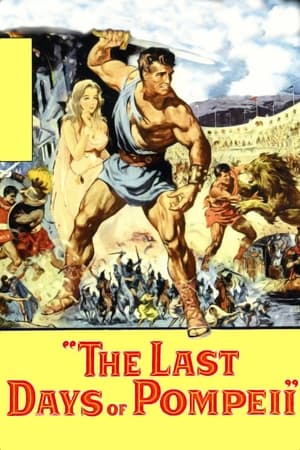
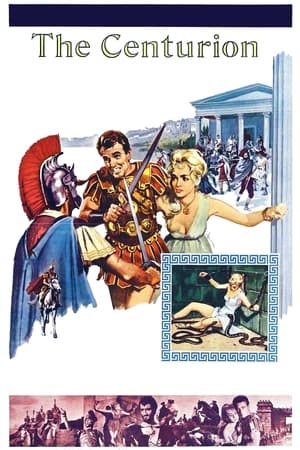
Glaucus, a demobilized centurion returns home to Pompeii to find his father murdered by a gang of black-hooded Christian robbers that terrorizes the city and he decides to investigate the matter while the nearby volcano threatens to erupt.
The queen of Egypt barges the Nile and flirts with Mark Antony and Julius Caesar.
A Roman soldier becomes torn between his love for a Christian woman and his loyalty to Emperor Nero.
For almost two thousand years, the story of Jesus’ final days has been celebrated by Christians the world over. From Jesus’ triumphant entry into Jerusalem, through to his eventual crucifixion six days later, the key moments have been immortalized in countless films, pieces of music, and works of art. But in recent years, some historians have begun to question inconsistencies in the Gospels’ version of events. They believe that the Gospels could hide a very different story; one that casts the historical Jesus in an entirely new light. Based on a new interpretation of contemporary historical events in Rome, "Last Days of Jesus" peels back thousands of years of tradition, to explore a new political context to the events in Jerusalem. "Last Days of Jesus" explores how dramatic political events in Rome could have played a crucial role in shaping Jesus’ destiny, and examines an extraordinary political alliance that altered the course of history.
Come back with us to Ancient Greece, 2,500 Years ago to the original Olympic Games. The ancient Games, like our modern Olympics, included champions and cheaters, glory and scandals, bitter rivalries and contests of strength, speed and savage combat. Set in 448 BC when the pounding of horse's hooves and the brutal hand-to-hand combat could be heard and seen by the crowds that filled the Olympic stadium. This one-hour special event follows the glory and corruption of the arc of a single, five-day Olympiad. The competitions include chariot racing, running, jumping, discus, javelin and two man-to-man combat finals-boxing and pankration, a form of extreme fighting in which death was not uncommon. With the help of sports historians and great athletes such as George Chuvalo and Olympic medallists Donovan Bailey and Angela Schneider, viewers travel back to a very different life-in a very different world.
What is true and what is false in the hideous stories spread about the controversial figure of the Roman emperor Gaius Julius Caesar Augustus Germanicus (12-41), nicknamed Caligula? Professor Mary Beard explains what is accurate and what is mythical in the historical accounts that portray him as an unbalanced despot. Was he a sadistic tyrant, as Roman historians have told, or perhaps the truth about him was manipulated because of political interests?
Die Sachsen - Piraten. Heiden. Kaiser
A series of bawdy and satirical episodes written during the reign of the emperor Nero and set in imperial Rome. Like the more famous version made by Federico Fellini, an adaptation of Petronius' Satyricon.
Le génie romain
Pompeii 79AD, mere days before the Vesuvian eruption. Glaucus and Jone are in love with each other. Arbaces, the Egyptian High Priest, is determined to conquer Jone. Glaucus purchases Nydia, the blind and long-suffering slave. Nydia falls in love with Glaucus and asks Arbaces for his help. He gives her a potion to make Glaucus fall in love with her-- In fact, a poison which will cause violent insanity.
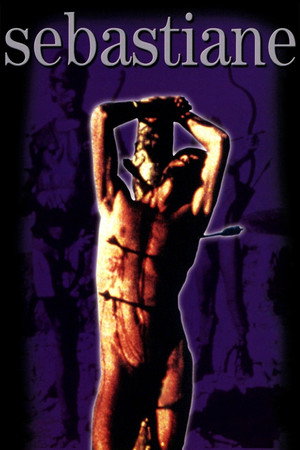
Rome, AD 303. Emperor Diocletian demotes his favourite, Sebastian, from captain of the palace guard to the rank of common soldier and banishes him to a remote coastal outpost where his fellow soldiers, weakened by their desires, turn to homosexual activities to satisfy their needs. Sebastian becomes the target of lust for the officer Severus, but repeatedly rejects the man's advances. Castigated for his Christian faith, he is tortured, humiliated and ultimately killed.
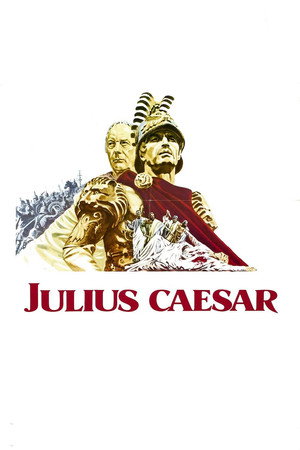
All-star cast glamorizes this lavish 1970 remake of the classic William Shakespeare play, which portrays the assassination of Julius Caesar on the Ides of March, and the resulting war between the faction led by the assassins and the faction led by Mark Anthony.
After tragedy strikes a bustling London neighbourhood, disarray ensues, and our hero becomes lost to their pain. A cherub-like spectre soon appears, embodying the change the community desperately craves. All bear witness as winds of hope and unity take shape and the seeds are sown for their growth out of grief
In Pompeii in the year 79, Lycias and Helen fall in love. Helen's guardian, the high priest of Isis, wants to separate them. To do so, he tries to make Lycias drink a love potion, but a young slave threatens to reveal everything. The high priest, unable to silence her, kills her and arranges to have Lycias accused...
The rebellious Thracian Spartacus, born and raised a slave, is sold to Gladiator trainer Batiatus. After weeks of being trained to kill for the arena, Spartacus turns on his owners and leads the other slaves in rebellion. As the rebels move from town to town, their numbers swell as escaped slaves join their ranks. Under the leadership of Spartacus, they make their way to southern Italy, where they will cross the sea and return to their homes.