Hacking at Leaves documents artist and hazmat-suit aficionado Johannes Grenzfurthner as he attempts to come to terms with the United States' colonial past, Navajo tribal history, and the hacker movement. The story hones in on a small tinker space in Durango, Colorado, that made significant contributions to worldwide COVID relief efforts. But things go awry when Uncle Sam interferes with the film's production.
THE 414s tells the story of the first widely recognized computer hackers, a group of Milwaukee teenagers who gained notoriety in 1983 when they broke into dozens of high-profile computer systems, including the Los Alamos National Laboratory, a classified nuclear weapons research facility.
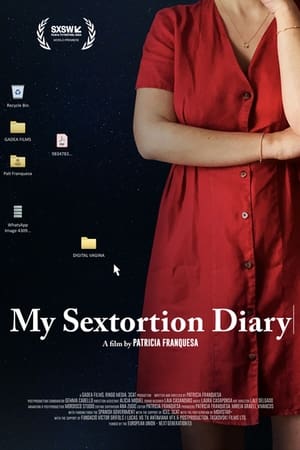
Pati, a young film producer, is fighting to carve out a professional career in the film industry. It is May 2019 when her laptop is stolen during a business trip in Madrid. Two months after, an anonymous Hacker accesses all the stored data in the stolen device and finds three very private photos of Pati. He threatens that if he doesn’t receive $2,400 he will mass-mail the pictures to all her work contacts in order to ruin her professional reputation. The shame, anger and distress caused by the ineffectiveness of the legal forces lead Pati to set out on her own investigation to stop the Hacker and regain control and power over her privacy.
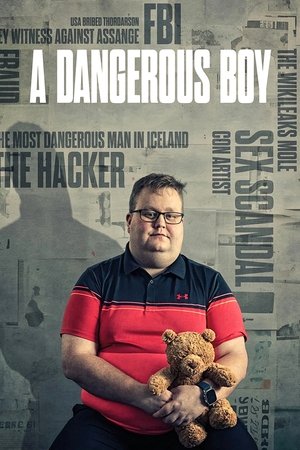
In the spring of 2010, Julian Assange published classified documents that shed a harsh light on the war crimes committed by the United States in Afghanistan and Iraq.
The documentary Pirat@ge traces the history of the Internet through the testimonies of those who built it: the hackers. It delves into the concerns of Generation Y, analyzing their networked communication methods, cultural consumption habits, and the sharing of such content.
This program reveals the daily battle between the Internet’s outlaws and the hackers who oppose them by warding off system attacks, training IT professionals and police officers, and watching cyberspace for signs of imminent infowar. Through interviews with frontline personnel from the Department of Defense, NYPD’s computer crime squad, private detective firm Kroll Associates, X-Force Threat Analysis Service, and several notorious crackers, the program provides penetrating insights into the millions of hack attacks that occur annually in the U.S.—including one that affected the phone bills of millions and another that left confidential details of the B-1 stealth bomber in the hands of teenagers. The liabilities of wireless networks, the Code Red worm, and online movie piracy are also discussed. A Discovery Channel Production. (51 minutes)
Takes us inside the world of Anonymous, the radical "hacktivist" collective that has redefined civil disobedience for the digital age. The film explores early hacktivist groups like Cult of the Dead Cow and Electronic Disturbance Theater, then moves to Anonymous' raucous beginnings on the website 4chan. Through interviews with current members, people recently returned from prison or facing trial, writers, academics, activists and major players in various "raids," the documentary traces Anonymous’ evolution from merry pranksters to a full-blown movement with a global reach, the most transformative civil disobedience of our time.
CODE 2600 documents the rise of the Information Technology Age as told through the events and people who helped build and manipulate it.
Exploring the murky and fast-paced world of the hackers out to steal money and identities and wreak havoc with people's online lives, and the scientists who are joining forces to help defeat them.
For years now, the Kremlin has been systematically trying to use well-trained hackers for its own benefit. In exchange for freedom and protection, they do the dirty work of the state, interfering in other countries’ elections and penetrating government networks. Just how dangerous is Russia’s cyber army?
Does privacy still exist in 2019? In less than a generation, the internet has become a mass surveillance machine based on one simple mindset: If it's free, you're the product. Our information is captured, stored and made accessible to corporations and governments across the world. To the hacker community, Big Brother is real and only a technological battle can defeat him.
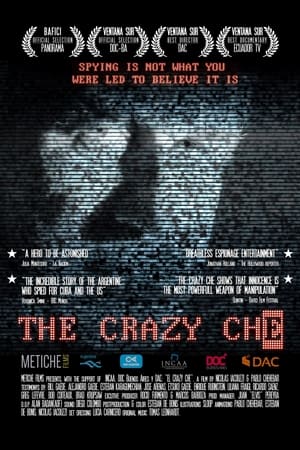
The incredible story of Bill Gaede, an Argentinian engineer, programmer… and Cold War spy.
In Mr. Robot Decoded, creator Sam Esmail, stars Rami Malek and Christian Slater, real-life hacker Jeff Moss and other experts open up about how the show made an extremely technical subject relatable to a wide audience and brought humanity to hackers through the main character Elliot Alderson.
Werner Herzog's exploration of the Internet and the connected world.
Programming prodigy and information activist Aaron Swartz achieved groundbreaking work in social justice and political organizing. His passion for open access ensnared him in a legal nightmare that ended with the taking of his own life at the age of 26.
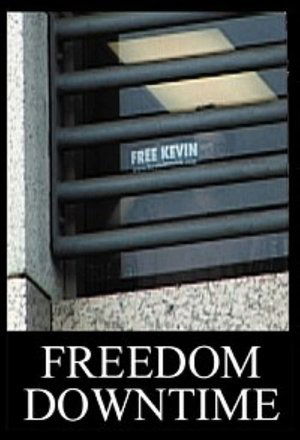
A feature-length documentary about the Free Kevin movement and the hacker world.
Uncompromising millennial radicals from the United States and the United Kingdom attack the system through dangerous technological means, which evolves into a high-stakes game with world authorities in the midst of a dramatically changing political landscape.
Global, dynamic, and eye-opening, this is story of the most daring cyber heist of all time, the Bangladeshi Central Bank theft, tracing the origins of cyber-crime from basic credit card fraud to the wildly complex criminal organisations in existence today, supported by commentary and fascinating insight from highly regarded cyber security experts.
REVOLUTION OS tells the inside story of the hackers who rebelled against the proprietary software model and Microsoft to create GNU/Linux and the Open Source movement.
Hacks is a 73 minute European documentary exploring what nature of "Hacking" is in a social context. In HACKS, the Austrian multimedia artist Christine Bader examines who is the computer hacker and what moves him or her. Is the hacker a Robin Hood in cyber space or an anarchistic agitator? Bader speaks with Dutch, German and American communication freaks who are working with various kinds of network issues, like making the Internet accessible to individual persons (Felipe Rodriguez, founder of Internet provider Xs4all), creating a meeting place in cyber space, or designing an ultramodern communication network on a ‘multimedia art ship‘. ‘Hackers are not encumbered by technical, financial or organizational problems, they just want to do things‘, Rodriguez thinks. That the technological means ‘just to do things‘ are now freely available is demonstrated by the numerous computer initiatives that whiz past in HACKS.