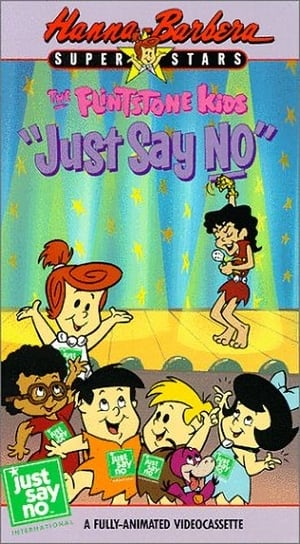
A special that shows the young Flintstones trying to raise money so they can go to a concert. The story takes a turn when older kids try to push drugs on them.
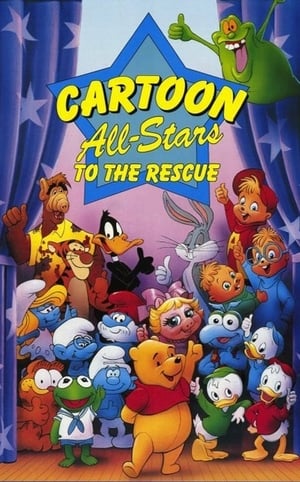
The plot chronicles the exploits of Michael, a teenager who is using marijuana and stealing his father's beer. His younger sister, Corey, is worried about him because he started acting differently. When her piggy bank goes missing, her cartoon tie-in toys come to life to help her find it. After discovering it in Michael's room along with his stash of drugs, the various cartoon characters proceed to work together and take him on a fantasy journey to teach him the risks and consequences a life of drug-use can bring and save the world.
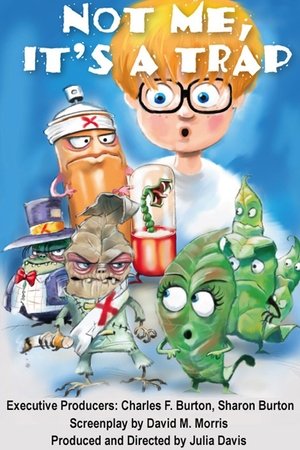
Professor Whyze and his 11-year-old son Tommy discover a hidden underworld where terrorist forces, led by veteran Hack, wage a “War on Kids,” using alcohol, drugs, and tobacco to stunt youth. They enlist Halfweed, a rebel from the tobacco ranks, to expose the epidemic. Mocked by classmates and ignored by authorities until death threats strike, Tommy must choose to warn his peers, stand with Halfweed, and help end the addiction assault, because it’s never wrong to do what’s right.
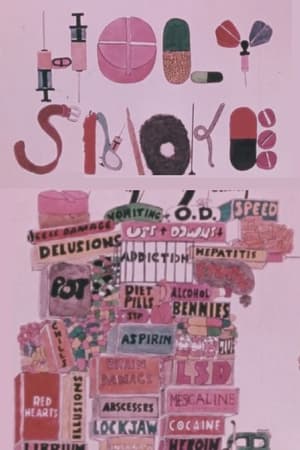
Made by 21st Cinetics and Billy Budd Films for the Morris County, Pennsylvania Division of Drug Control and Intervention, “Holy Smoke in Three Acts” is an unconventional anti-drug cartoon that was inspired by ideas put forth by students. The animation were created by R.J. Barcklow. The short, three-act animated film presents two artists and examines how the world around them influences their artwork. Both of the artists are influenced by drugs, drug use and the anti-drug campaign.
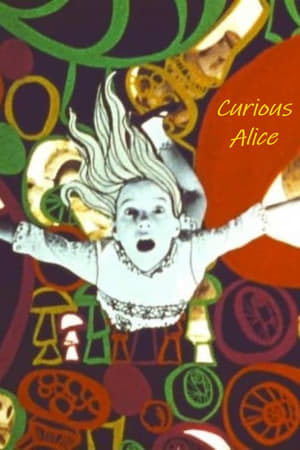
The story “Alice in Wonderland” is used as a metaphor about the dangers of accidental drug use among children. Curious Alice's trip to Wonderland is not through the rabbit hole, but rather through her home, where the medicine and kitchen cabinets hold substances of lure but danger. After ingesting one of these substances, Alice, now in the Wonderland of her mind, has an altered sense of reality. In her new psychedelic world, she is exposed to more and more drugs, which she may take based on her impaired judgment from the initial drug use.
This anti-drug film from 1972 uses abstract and modernist animation styles and techniques to depict the effects of different drugs (both legal and illegal) on the human brain and body. Set to eerie music and inter-spliced with live action footage shot in and around Los Angeles, California, you’ll be shown unnerving and psychedelic imagery designed to make you think twice about abusing drugs.
Anti-drug film set in Harlem.
LSD: Trip to Where? is a 1968 film depicting the experiences of three sailors who experiment with LSD and marijuana. The film explores the impact of their drug use on themselves and their peers aboard a military vessel, highlighting the perceived dangers associated with these substances during that era.
1967 Navy training film MN-10507-A. Navy physician talks about the dangers of LSD or "Russian roulette in a sugar cube." National Archives Identifier: 6379 "How LSD was discovered, the extreme dangers of using it and how it affects the brain and body."
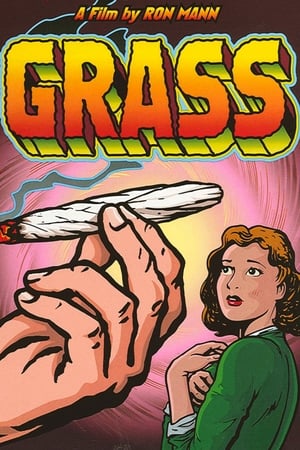
Marijuana is the most controversial drug of the 20th Century. Smoked by generations to little discernible ill effect, it continues to be reviled by many governments on Earth. In this Genie Award-winning documentary veteran Canadian director Ron Mann and narrator Woody Harrelson mix humour and historical footage together to recount how the United States has demonized a relatively harmless drug.
Jeanette, a pretty high school student, is looking for “kicks”. She starts hanging out with a wild crowd, and begins popping bennies, uppers and other pills. Soon she graduates from barbiturates to marijuana…
“Marijuana the Great Escape” was distributed by BFA and produced and directed by J. Gary Mitchell. This film tells the story of a young man who aspires to be a professional drag racer. But, he starts smoking marijuana, which impairs his ability to drive safely, and that leads to a terrible reckoning. The film was created in cooperation with the Inglewood Police Department.
Early "shockumentary", apparently shot in Egypt, which documents the habits of opium addicts. The interiors of drug dens are shown, and at the conclusion the film an addict is shown collapsing on a sand dune; the booming voice of the narrator informs us that the addict has perished. Footage used is from the silent film Dope Fiends.
Marty, a "good boy," experiments with marijuana and experiences "profound mental and emotional disturbances." As in all anti-drug films of this vintage, marijuana leads straight to "H," and Marty's decline continues until he is busted, rehabbed and reformed. Drug Addiction's stilted view of the urban drug culture and unrealistic portrayals of stoned slackers make it entertaining viewing today. It belongs to that little-known "second wave" of anti-drug films, the postwar scare stories about middle-class kids overcome by junkiedom. What this wave of films reveals is that drugs were an issue for white adolescents long before the psychedelic Sixties, and that the official response to the threat expressed a general, not specifically targeted paranoia.
An educational video exploring drug addiction, including footage of real-life addicts going through rehab therapy.
Cautionary anti-drug film based on a true story about the effects on Jean Stapleton and Arthur Hill when their teenage son (John Putch, Stapleton's real-life son) gets spaced out on a marijuana joint laced with PCP, or "angel dust," and the family is forced to wrestle with the crisis.
A new principal comes to the underdeveloped village school that is affected by lazy teachers and drugs.
Short film about the dangers of doing drugs.
Educational film for parents to discuss LSD with their children.
A high school student faces a moral dilemma, should he turn in a friend who is dealing pills.