David Attenborough reveals the surprising truth about the cold-blooded lives of reptiles and amphibians. These animals are as dramatic, as colourful and as tender as any other animals.
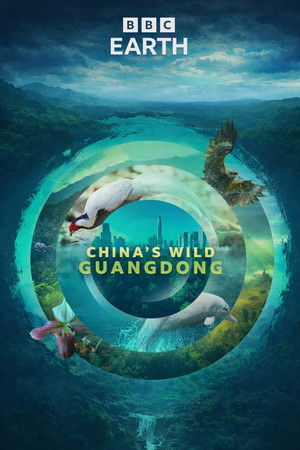
The astounding story of the Chinese province of Guangdong – and the local people protecting its extraordinary wildlife from the modern world. Lying on the Tropic of Cancer, what should be desert is a wonderland of mountain forests, river deltas and coastal ecosystems, with over 1,000 species of animals. But with a booming economy, Guangdong is also the most densely populated province in China, home to over 126 million people. This beautiful, dramatic and epic natural history documentary celebrates not only the wildlife of Guangdong, but also reveals how its people cherish and protect it from the modern world.
Experience one of the most fascinating phenomena of our times - the rapid evolution of the world's most populous nation from a secluded land of mystery to an economic powerhouse welcoming the modern world. In this compelling four-part series, China Rises takes you inside this dynamic country - from jeep joyriding in the Gobi Desert to a factory floor in Zhejiang Province, from walking the red carpet at the Shanghai Film Festival to staging a pop concert at the Great Wall, from police rescuing abducted women to experts training astronauts, from celebrating Chinese Central Television's new state-of-the-art headquarters to transforming controversial Tiananmen Square into an Olympic beach volleyball court. The seismic changes happening in China today reflect a potent mixture of dreams and despair, with consequences that will shape the future of the entire planet.
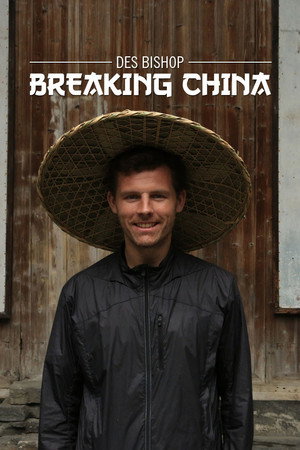
The adventures of Irish-American writer and comedian Des Bishop as he moves to China for a year in order to learn Mandarin and eventually attempt to perform a one-man stand up comedy show for a Chinese audience.
Few countries in South America can boast to have such contrast and variety as Argentina. Diverse habitats such as Patagonia's bleak steppe, soaring Andean snowcaps, vast salt pans, lush rainforest around Iguazu Falls, steamy marshlands of Ibera, and grasslands of the Pampas support an astonishing range of wildlife - from penguins, whales and seals to condors, armadillos and guanacos.
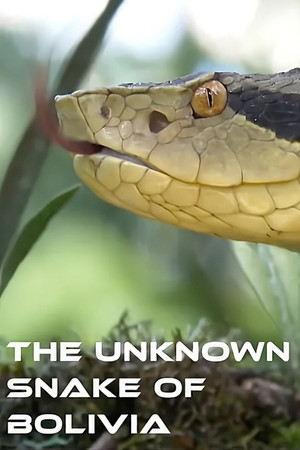
A thrilling expedition across Bolivia in search of the most venomous snakes in this remote country. The main goal is to discover a new species unknown to science: a large pitviper that has not been classified yet. It will be tracked down and filmed alive for the first time. Spanish herpetologists Juan Timms and Jairo Cuevas embark on a perilous expedition across remote Bolivia, determined to capture the country's most venomous snakes. Their ultimate prize? Discovering a new, unclassified species of massive pitviper, known only from a single photograph.
See It Now is an American newsmagazine and documentary series broadcast by CBS from 1951 to 1958. It was created by Edward R. Murrow and Fred W. Friendly, Murrow being the host of the show. From 1952 to 1957, See It Now won four Emmy Awards and was nominated three other times. It also won a 1952 Peabody Award, which cited its
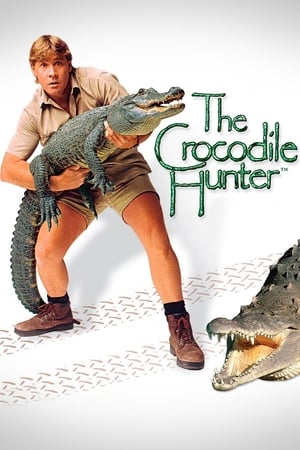
Australian host Steve Irwin and his wife Terri run a wildlife refuge. Their shared passion is educating the world about wildlife, including the much feared crocodile and numerous venomous snakes. Steve's specialty is the capture and relocation of crocodiles. No animal appears too threatening to Steve, his true respect for animals is the foundation for everything he does.
Filmed in Sweden and Norway, this documentary series follows adventure-traveler and BBC journalist, Simon Parker, as he embarks upon a 2,000 mile / 3,500 KM cycling adventure from the North Cape to Smygehuk – the full length of the Scandinavian Peninsula. On his journey, Simon charts the seasonal cycles of the natural world, as summer is transitioning into autumn.
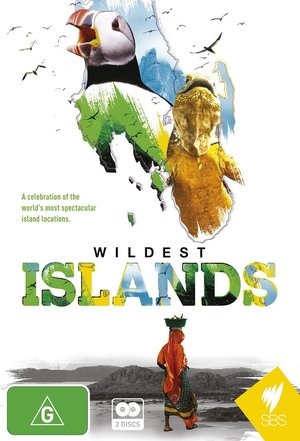
Islands can be home to the most extreme examples of life and the some of the most dramatic landscapes. Natural selection fuels evolution in the most extraordinary way. Isolated for hundreds of thousands of years, pockets of individuals survive, thrive and adapt to fill all available niches fuelling a rapid development of new species. Wildest Islands, a stunning five-part series featuring the world’s most spectacular island locations. Dive into the crystal clear waters of the Caribbean; journey through the lush forests of Zanzibar; discover the unspoilt environs of the Hebrides; and uncover the enduring wonders of the Galapagos Islands as Wildest Islands investigates the rich history of these pristine paradises.
Story of an elephant family
The sexual behaviour and intriguing reproductive strategies of the animal world.
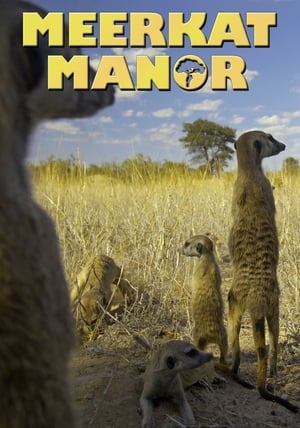
Meerkat Manor is a British television programme produced by Oxford Scientific Films for Animal Planet International that premiered in September 2005 and ran for four series until its cancellation in August 2008. Blending more traditional animal documentary style footage with dramatic narration, the series told the story of the Whiskers, one of more than a dozen families of meerkats in the Kalahari Desert being studied as part of the Kalahari Meerkat Project, a long-term field study into the ecological causes and evolutionary consequences of the cooperative nature of meerkats. The original programme was narrated by Bill Nighy, with the narration redubbed by Mike Goldman for the Australian airings and Sean Astin for the American broadcasts. The fourth series, subtitled The Next Generation, saw Stockard Channing replacing Astin as the narrator in the American dubbing.
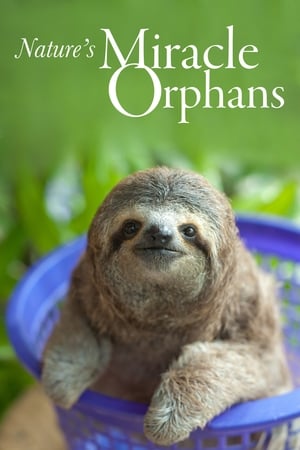
The first months of an animal's life are crucial - if they lose their mothers, they'll need help. Meet the wild orphans getting a second chance, and those devoted to saving them.
The people, places and stories making news in the British countryside.
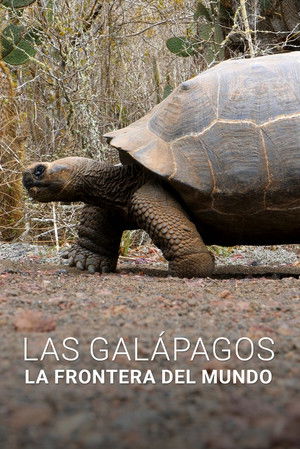
Galapagos : The Edge of the World
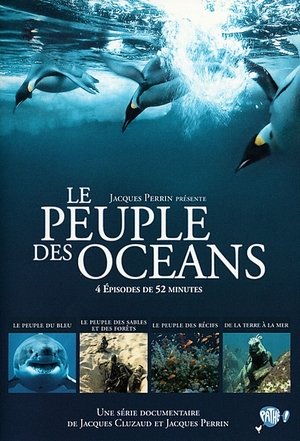
A four-part documentary series on ocean life around the world.
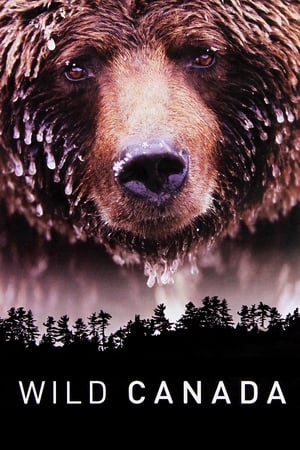
The four-part series takes an awe-inspiring look at the world around us, shot with ultra-high-definition cameras that capture sweeping panoramas and extraordinary close-ups of Canada’s majestic terrain and diverse species.
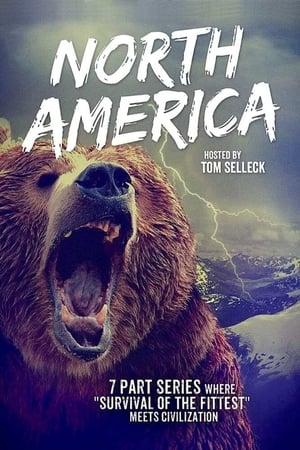
The seven episodes explore North America: where civilization collides with untamed wilderness. Just feet beyond our own backyards rages a spectacle we never see. Join us as we step into this hidden world teaming with life - across impossible mountains and endless deserts. Dive into unexplored forests and crash into rugged coasts. This vast continent offers boundless rewards for those brave enough to take on this land - and call her home.
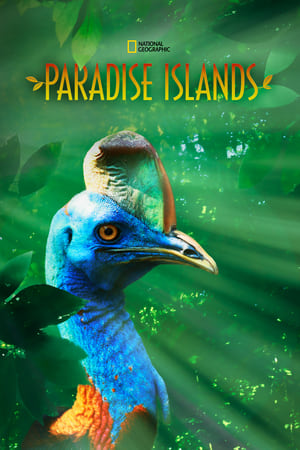
The tropical islands that lie between Asia and Australia are among the biologically richest on earth, and home to a vast number of plants and animals. From tree kangaroos to tarsiers, manta rays to mudskippers, the region abounds with life. But why? The answer lies deep in time, due to the many millions of years these islands have existed - and the power of the earth, the sun and the moon.