迷案1937
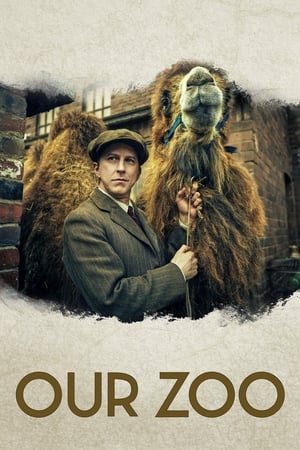
The story of George, who being frustrated by memories of fighting in the great war and living with his extended family, wants to bring more beauty into the world. When he comes across a camel and monkey that are about to be abandoned, he embarks on a plan to set up a zoo.
Set in 1930s Shanghai, Jiang Xin, an heir to a wealthy family, loses her memory in an accident. Du Xiaohan assumes her identity, while the real Jiang Xin is captured by powerful businessman Bai Zhangjie.
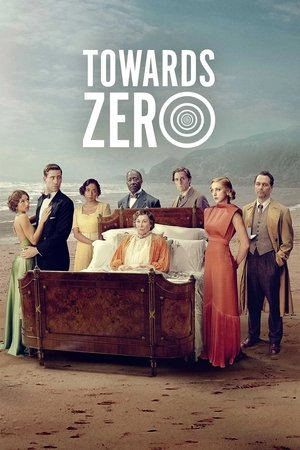
After a scandalous divorce, a tennis star, his ex-wife and a volatile mix of guests converge at a coastal estate. When murder strikes, a troubled detective must unravel the truth.
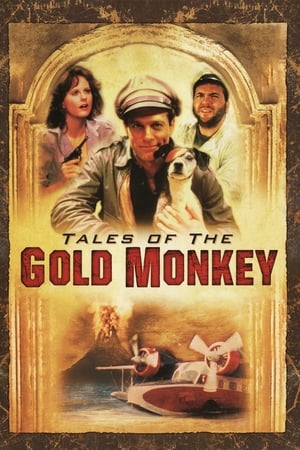
In a backwater corner of the South Pacific in 1938, a young American adventurer and his ragtag group of friends become involved in death-defying hi-jinx, transporting people-on-the-run in a well-worn Grumman Goose seaplane.
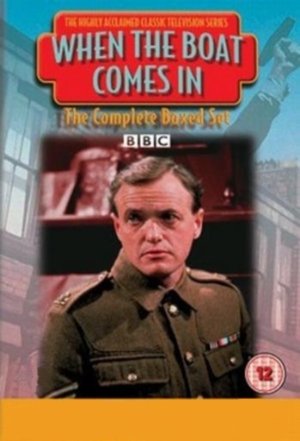
When the Boat Comes In is a British television period drama produced by the BBC between 8 January 1976 and 21 April 1981. Taking place between 1919 to 1937, Jack Ford is a veteran of The Great War who returns to his poverty-stricken (fictional) town of Gallowshield in the North East of England. It dramatises the interwar political struggles of the 1920s and 1930s, and explores the impact of national and international politics upon Ford and those around him.
Special Agent Eliot Ness and his elite team of incorruptible agents battle organized crime in 1930s Chicago.
Set in 1930s Shanghai, Zhang Lianxin, a former maid, seeks love and freedom amidst China's war with Japan. She becomes entangled in a dangerous political conspiracy and forms a bond with Chong Yang, as they face numerous challenges together. Lianxin must navigate a complex love triangle while confronting the powerful forces around her, ultimately deciding her fate in a turbulent time.
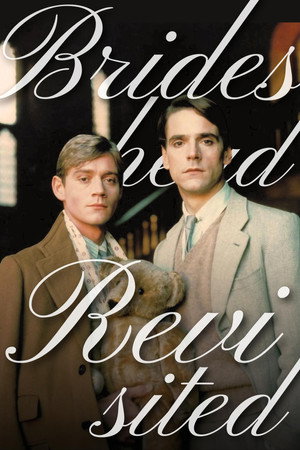
Agnostic Charles Ryder is seduced by the allure of the Flytes, a wealthy aristocratic family. Although he finds himself at odds with their strong Catholicism, his ties to the family deepen for the decades between the two world wars.
After World War I, political divisions deepen in a village in Upper Bavaria. Julius Kraus, a reclusive cobbler, finds himself caught between the fronts when his Jewish identity is revealed. The two 90-minute feature films are based on the novel "Unruhe um einen Friedfertigen" (Unrest Around a Peaceful Man) by Oskar Maria Graf, a masterpiece of German-language exile literature.
The Ku family are living in the Republic of China era (1930s) as a prestigious household in a wealthy part of Nanjing. Soon, word spreads that the city is being taken over by Imperial Japanese forces. The Ku family - a family of all daughters and a father and mother of weakening health - are soon forced to pack their belongings to leave the war-torn area. One of their servants recommends they move to the rural areas. To their dismay, life is incredibly difficult and they live in poverty. The family is in pieces as each daughter struggles with numerous difficulties in the countryside. However, all members of the family eventually grow closer together as they work in the rural area.
The Waltons live their life in a rural Virginia community during the Great Depression and World War II.
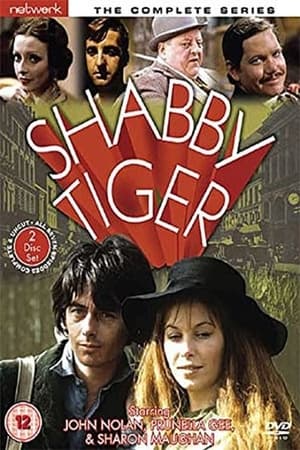
Manchester millionaire's son Nick Faunt leaves home at the height of the Depression to become an artist. When he meets Irish serving girl Anna Fitzgerald, a strange love story begins.
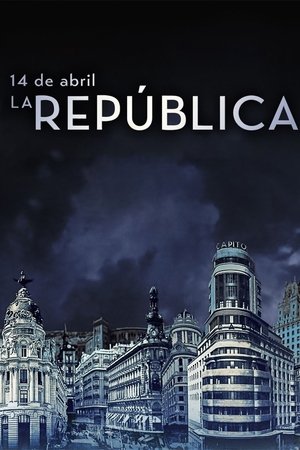
14 de abril, la República
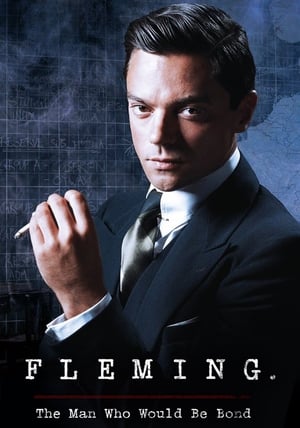
Set at the outbreak of WWII – mischievous playboy Ian Fleming is untroubled by the specter of impending war – chasing women, collecting rare books and living off his family fortune. Forever in the shadow of his brother Peter, and an eternal disappointment to his formidable mother Eve, Fleming dreams of becoming the ‘ultimate’ man – a hero, a lover, a brute and the one who always gets the girl. He is finally given some direction in his life when he’s recruited by the Director of Naval Intelligence to help in the effort against the Nazis. Suddenly, Fleming finds his chance to shine and prove his worth.
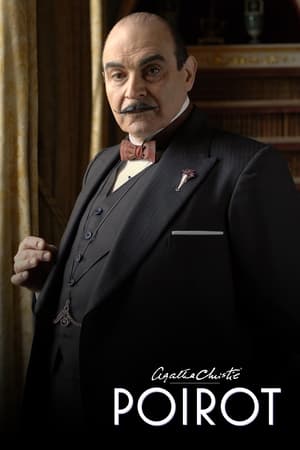
From England to Egypt, accompanied by his elegant and trustworthy sidekicks, the intelligent yet eccentrically-refined Belgian detective Hercule Poirot pits his wits against a collection of first class deceptions.
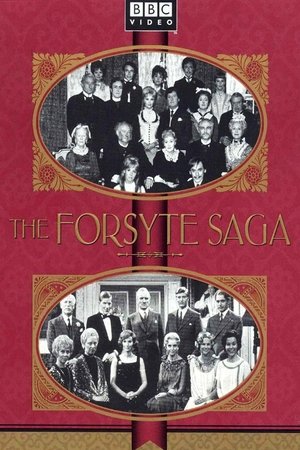
The Forsyte Saga is a 1967 BBC television adaptation of John Galsworthy's series of The Forsyte Saga novels, and its sequel trilogy A Modern Comedy. The series follows the fortunes of the upper middle class Forsyte family, and stars Eric Porter as Soames, Kenneth More as Young Jolyon and Nyree Dawn Porter as Irene. It was adapted for television and produced by Donald Wilson and was originally shown in twenty-six episodes on Saturday evenings between 7 January and 1 July 1967 on BBC2, at a time when only a small proportion of the population had television sets able to receive this channel. It was therefore the repeat on Sunday evenings on BBC1 starting on 8 September 1968 that secured the programme's success with 18 million tuning in for the final episode in 1969. It was shown in the United States on public television and broadcast all over the world, and became the first BBC television series to be sold to the Soviet Union.
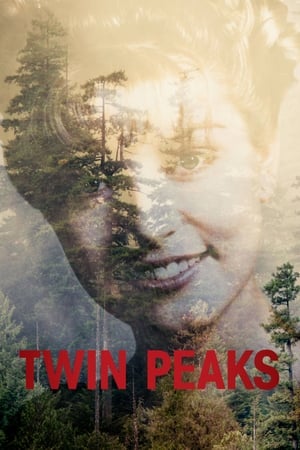
The body of Laura Palmer is washed up on a beach near the small Washington state town of Twin Peaks. FBI Special Agent Dale Cooper is called in to investigate her strange demise only to uncover a web of mystery that ultimately leads him deep into the heart of the surrounding woodland and his very own soul.
Epic drama set in the summer of 1932 where India dreams of independence, but the British are clinging to power. Set against the sweeping grandeur of the Himalayas and tea plantations of Northern India, the drama tells the rich and explosive story of the decline of the British Empire and the birth of modern India, from both sides of the experience. At the heart of the story lie the implications and ramifications of the tangled web of passions, rivalries and clashes that define the lives of those brought together in this summer which will change everything.
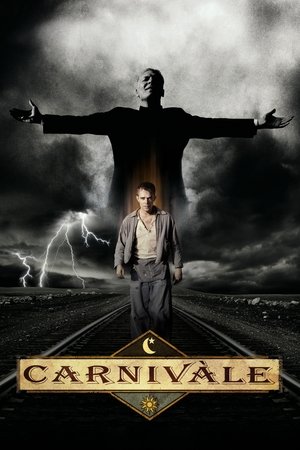
Carnivàle is an American television series set in the United States during the Great Depression and Dust Bowl. In tracing the lives of two disparate groups of people, its overarching story depicts the battle between good and evil and the struggle between free will and destiny; the storyline mixes Christian theology with gnosticism and Masonic lore, particularly that of the Knights Templar.