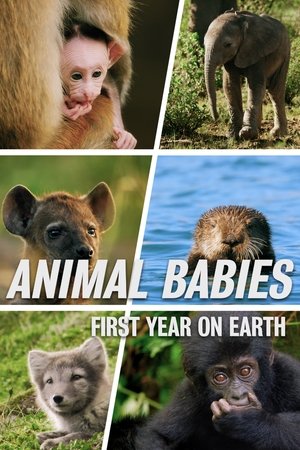
The first months of an animal's life are crucial - if they lose their mothers, they'll need help. Meet the wild orphans getting a second chance, and those devoted to saving them.
Terre de légendes
Showcasing wildlife success stories across the United States, renowned wildlife experts explore the work of conservationists helping to save imperiled species.
A follow-up to the 1990 Radio 4 series in which the late Douglas Adams and Mark Carwardine travelled around the world in search of endangered species. 20 years later Stephen Fry and Mark Carwardine go back to see what has become of the animals in two decades, and to discover what has affected their fortunes.
History is taking to the seas and walking in the footsteps of Captain James Cook. 250 years after Cook began his epic exploration of the Pacific, Sam Neill (Jurassic Park, The Piano) journeys in his wake uncovering stories that resonate from those times on both sides of the beach. Sam begins with a disclaimer – he is merely an actor – but the story of Cook, and the impact he has had on the Pacific in the 250 years since his first voyage, has always fascinated him.
Tells the inside story of the challenges the Lebanese Australian community has faced in Australia and how they have fought to overcome them. This landmark documentary series hears from community leaders, police, families and individuals, as they combine to tell the compelling and dramatic story of a proud and resilient community, under intense pressure and scrutiny. The story begins in the 1970s when large numbers of Lebanese migrants flooded into Australia. Many were Muslim, most were traumatised by civil war, all were desperate to build a better future. Over the coming decades, these new Australians struggled to establish a new life in their adopted country.
Chris Packham uses groundbreaking science and brand-new behaviour to delve deep beneath the skin and discover the unique features that have made certain animal groups successful.
The four-part series takes an awe-inspiring look at the world around us, shot with ultra-high-definition cameras that capture sweeping panoramas and extraordinary close-ups of Canada’s majestic terrain and diverse species.
A four-part documentary series on ocean life around the world.
A four-part series set over a year in Africa and focuses on each season, revealing the different conditions they bring. Temperatures, rain, and light change every animal as they adapt to the new season.
Chris Packham travels the world to uncover the secrets of the animal mind.
Combining fact and informed speculation with cutting-edge computer graphics and animatronics effects, the series set out to create the most accurate portrayal of prehistoric animals ever seen on the screen.
Africa is a land sculpted by time where animals have evolved complex weapons to arm them in the battle to live another day. An elephant's tusks can defend, or attack. An octopus uses camouflage to find food, or hide from an enemy. A Cape Fur Seal's speed and agility are valuable tools to catch a penguin, but ineffectual against a Great White Shark. A single hippopotamus holds a pride of twelve lions at bay with his sheer bulk, but backs down when faced with the piercing teeth of another hippo. With lethal weapons wielded by fearsome predators and prey, animals walk a precarious path, here among Africa's Deadliest.
Mondes sauvages
Will Smith whose curiosity and wonder is positively infectious—is guided by National Geographic Explorers traveling to different corners of the world to get up close and personal with the weirdest, most unusual, dangerous and thrilling spectacles of the planet.
This nature documentary introduces viewers to the fauna and flora of Britain and Ireland across four main areas: woodlands, grasslands, freshwater and marine.
Documentary series examining the most dangerous and most feared animals on the planet.
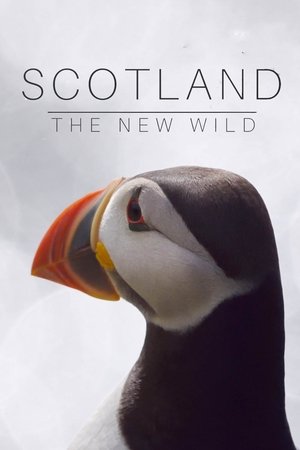
This four-part nature series reveals the extraordinary stories of Scotland’s secret wild places and the unexpected animals that live there. Scotland hosts a spectacular array of wildlife, from highland red deer, white-tailed eagles, red squirrels and pine martens to coastal dwelling puffins, grey seals, otters, and even killer whales. Stretching from the Shetlands to the south of the country, each episode focuses on how animals strive to survive through four very different seasons in one epic year, dominated by a maritime climate that’s both punishing and unpredictable, with their lives always at the mercy of the elements.
Hottest Place on Earth
Living Britain is a six-part nature documentary series, made by the BBC Natural History Unit, transmitted from October to December 1999. It was produced by Peter Crawford. It examines British wildlife over the course of one year. Each of the programs takes place in a different time of year.