The RHS Chelsea Flower Show, formally known as the Great Spring Show, is a garden show held for five days in May by the Royal Horticultural Society (RHS) in the grounds of the Royal Hospital Chelsea in Chelsea, London. Held at Chelsea since 1912, it is the most famous flower and landscape gardens show in the United Kingdom, and perhaps in the world. The show is attended by members of the British Royal Family and attracts visitors from all continents. Highlights to the Chelsea Flower Show include the avant-garde show gardens designed by leading names with Floral Marquee at the centrepiece. The Show also features smaller gardens such as the Artisan and Urban Gardens.
Bleu, un océan de solutions
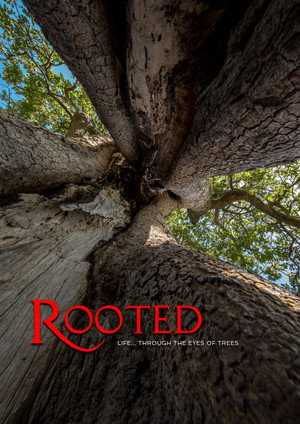
Stories from the perspective of some of the world's oldest living creatures - trees. Each tree is located in a completely unique habitat around the world, and hosts, feeds and shelters an array of animals in its embrace.
Hottest Place on Earth
Documentary series examining the most dangerous and most feared animals on the planet.
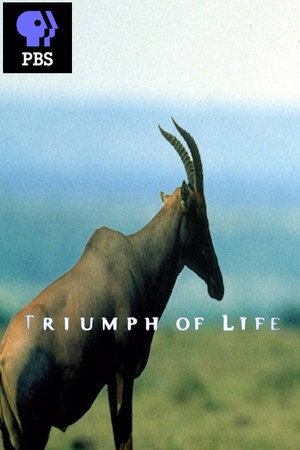
Despite overwhelming obstacles, life on Earth has evolved from the most humble of beginnings to a level of diversity that challenges human comprehension. The fittest have indeed survived -- even in places where no living creatures could be thought to exist. NATURE's six-part series presents the remarkable story of evolution and its survivors.
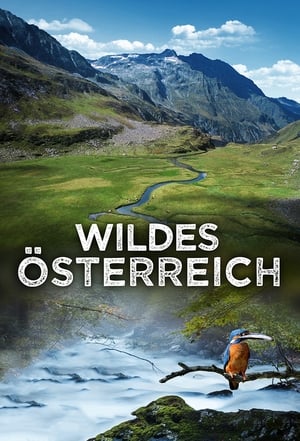
One force determines a country's fate more than any other: Water. Austria's love-affair with water has given her unique and amazing landscapes and biospheres, carved out by Alpine glaciers, ancient seas and mighty rivers, home to iconic animals like eagles, ibex, otters and deer. But this country has wildlife surprises, too. The days are gone when raging oceans brought giant sharks to her primeval shores, but there's an odd little survivor from those times: a three-eyed hermaphrodite, maybe the oldest animal on the planet. The tadpole shrimp lives in pools and puddles, until they dry out. Its eggs can stay dormant for decades or centuries, till water brings them to life. At a pinch, an adult can even fertilize itself - a single survivor guaranteeing future generations. Goldeneye ducks breed in abandoned woodpecker holes high in trees. Once the last sibling has hatched, the ducklings follow their mother in a leap of faith of up to ten meters to the river below. Two months later, they will finally learn to fly! The Bullhead, a fish that will never master the art of swimming, lives in brooks and creeks at up to 2,000 meters. It claws its way upstream, digging its fins into the gravelly riverbed. From ice caves, crystalline mountain springs and spectacular waterfalls, down to Lake Neusiedl, world-famous bird sanctuary on the edge of the endless Eurasian steppe: This epic two-part documentary celebrates Austria's most precious landscapes and her wildlife's unrivaled beauty.
All In Earth's 4 billion year history, nature has solved all of lifes problems, from the highest mountain to the deepest ocean. Evolution is the ultimate inventor and many of mans most clever engineering solutions have exact counterparts in nature. In three amazing episodes, NatureTech views our world with fresh eyes, where nature and technology stand hand in hand.
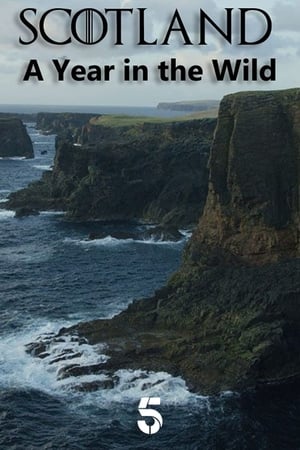
This four-part nature series reveals the extraordinary stories of Scotland’s secret wild places and the unexpected animals that live there. Scotland hosts a spectacular array of wildlife, from highland red deer, white-tailed eagles, red squirrels and pine martens to coastal dwelling puffins, grey seals, otters, and even killer whales. Stretching from the Shetlands to the south of the country, each episode focuses on how animals strive to survive through four very different seasons in one epic year, dominated by a maritime climate that’s both punishing and unpredictable, with their lives always at the mercy of the elements.
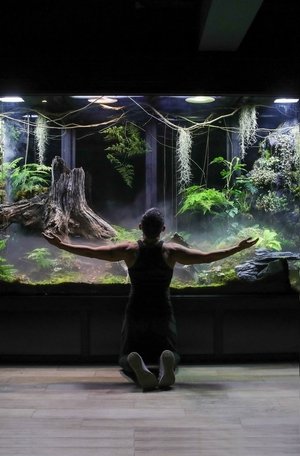
Welcome to 'Pantdora', my 1000 gallon cloud rainforest vivarium.
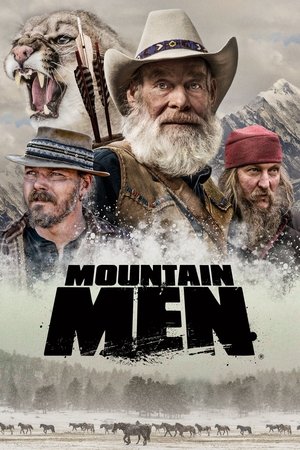
Profiles of some of the men who choose to live off the grid in the unspoiled wilderness, where dangers like mudslides, falling trees and bears are all part of everyday life.
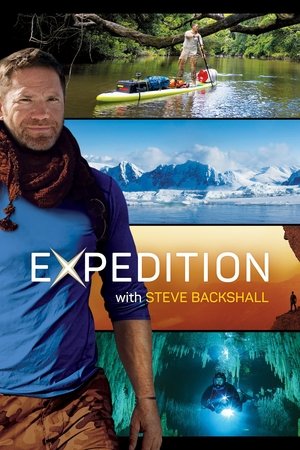
The naturalist visits uncharted territory in pursuit of new discoveries. Steve Backshall takes on physical challenges, encounters extraordinary wildlife and meets remarkable people.
Bill Pullman introduces and narrates this four-part documentary on the world's first national park, Yellowstone.
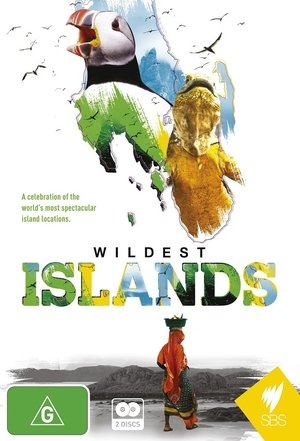
Islands can be home to the most extreme examples of life and the some of the most dramatic landscapes. Natural selection fuels evolution in the most extraordinary way. Isolated for hundreds of thousands of years, pockets of individuals survive, thrive and adapt to fill all available niches fuelling a rapid development of new species. Wildest Islands, a stunning five-part series featuring the world’s most spectacular island locations. Dive into the crystal clear waters of the Caribbean; journey through the lush forests of Zanzibar; discover the unspoilt environs of the Hebrides; and uncover the enduring wonders of the Galapagos Islands as Wildest Islands investigates the rich history of these pristine paradises.
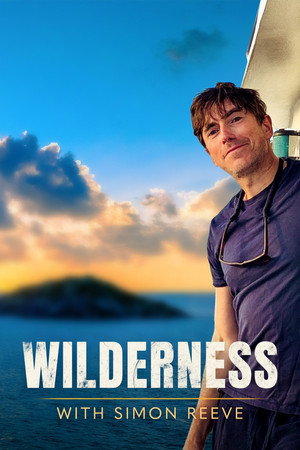
On his toughest journeys yet, Simon Reeve travels through some of the most remote landscapes on Earth in search of the people and the wildlife of the planet’s greatest wildernesses.
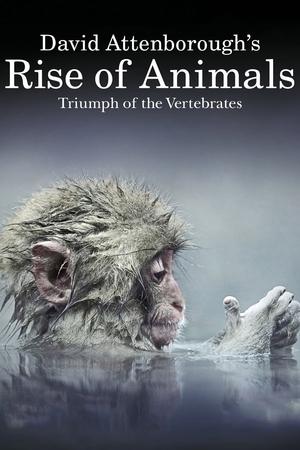
David Attenborough embarks on a remarkable 500 million-year journey revealing the extraordinary group of animals that dominate our world, and how their evolution defines our human bodies.
Will Smith whose curiosity and wonder is positively infectious—is guided by National Geographic Explorers traveling to different corners of the world to get up close and personal with the weirdest, most unusual, dangerous and thrilling spectacles of the planet.
Peltsin toinen luonto
Michael Palin undertakes an epic journey of 23,000 miles, traveling from the North to the South Pole across 17 countries with a minimum of air travel, all on a tight deadline.
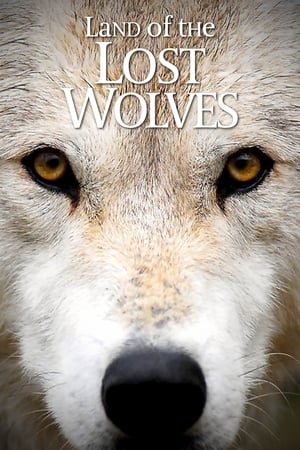
Two-part natural history series following the fortunes of one very special pack of wolves as they return to North America's West Coast.